

The process of preparing Israel’s 2026 state budget, which was approved Friday by the government, was highly irregular and even odd. For the first time, the budget was formulated by the Treasury’s Budget Department, even though the position of department head has been vacant for three months. Budgets for many government ministries were determined at a time when, for the past five months, they have been run by acting ministers whose priority was maintaining their existing departmental budgets.
In addition, an unprecedented gap emerged between the defense ministry’s budget requests and the much lower allocation approved by the Treasury. As a result, the starting point for the delayed 2026 budget was very different from previous years. Bottom line: this is a rather meager budget, offering no real breakthroughs and certainly no new growth levers.
Gallery
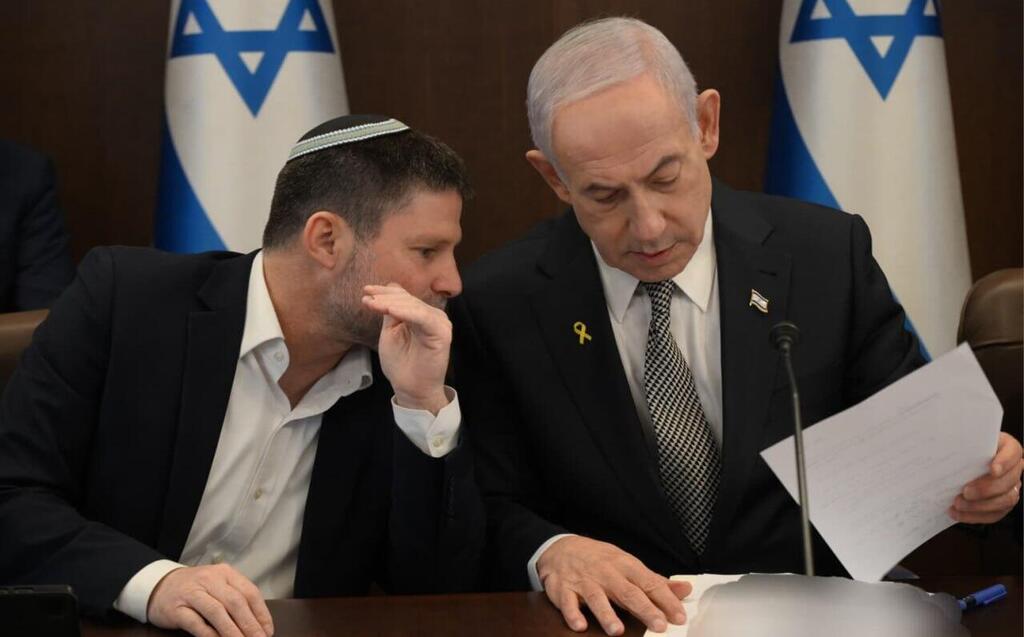
Prime Minister Benjamin Netanyahu confers with Finance Minister Bezalel Smotrich at government meeting to approve 2026 state budget
(Photo: Haim Zach, GPO)
Why the delay?
Normally, budget preparations begin in the spring and are completed by July before being submitted to the government for approval. This time, the process was delayed by about five months, due to Prime Minister Benjamin Netanyahu’s reluctance to deal with the budget while the end of the war was uncertain and the new draft law’s passage unclear. But in recent weeks Netanyahu decided to accelerate the work, given that if the budget is not approved by March 31, the government will fall and the Knesset will be dissolved.
How large is the budget, and why is the deficit so critical?
The 2026 budget will be the largest in Israel’s history at 662 billion shekels, after the 2025 budget was raised from 610 billion shekels to 650 billion shekels. The size of the deficit is particularly important: the larger it is, the more the state will eventually need to finance it through loans, cuts or tax increases. A high deficit could even trigger further credit‑rating downgrades for Israel due to growing debt.
Why did the deficit grow despite earlier assurances by Finance Minister Bezalel Smotrich?
The increase stems from expanding the defense budget against the Treasury’s wishes and from concessions made on planned austerity measures — some were offered as “bargaining chips.” As a result, the deficit rose from 3.2% to 3.9% (78 billion shekels), a rate much higher than desired, even by the Bank of Israel.
What finally sealed the agreements and led to approval of the budget?
Most of the debate centered on the size of the defense budget following nearly two years of war. The Defense Ministry demanded 144 billion shekels, the Treasury offered 93 billion shekels, and the prime minister ultimately settled on 112 billion shekels — after Defense Minister Israel Katz decided, against the Chief of Staff’s recommendation, to reduce the number of reservists next year from 60,000 to 40,000, with only some 60 reserve‑duty days annually.
What did the Defense Ministry gain in return for giving up 32 billion shekels?
The Treasury canceled provisions that would have harmed career soldiers, 'bargaining goats' inserted to pressure the military. The army committed to efficiency, but analysts expect the budget to be increased later in the year, perhaps via off‑budget “boxes,” as happened in 2024 and 2025.
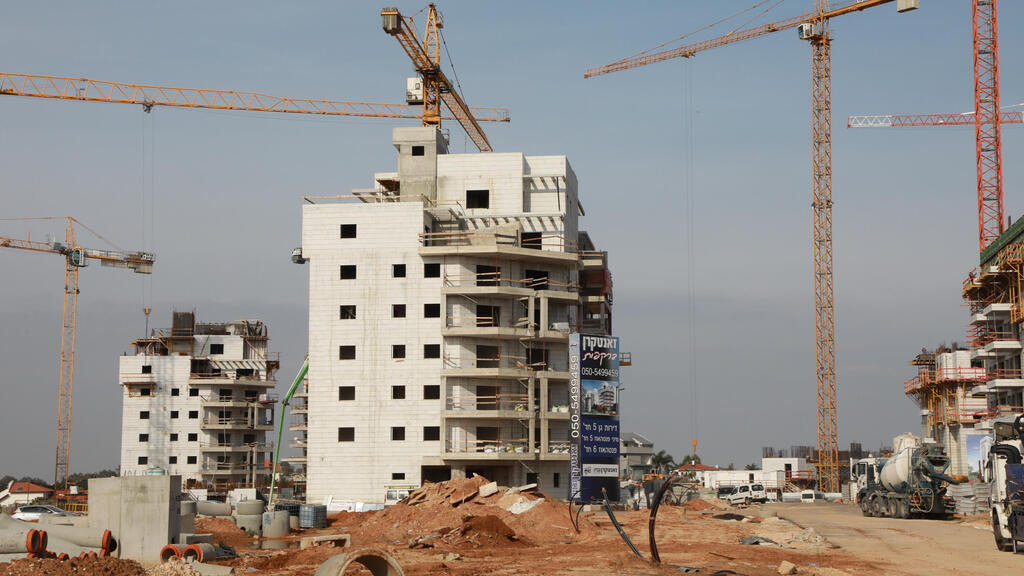
A 1.5% property tax on building land has been approved, which could increase the price of apartmentsן
(Photo: Dana Koppel)
Were the budget negotiations calmer than usual — and why?
According to a senior Treasury official, one reason was the absence of ministers from Haredi parties, who in the past fueled much of the debate. Still, former ministers, expecting to return after the passage of a new draft law, intervened behind the scenes. Also, unlike previous wartime budgets — which included major austerity measures such as VAT increases and salary cuts for civil servants — this time only existing austerities remained, like frozen tax brackets and higher national‑insurance premiums; new cuts were reduced or canceled.
Which cuts were canceled?
Cuts targeting career soldiers were withdrawn, as was a longstanding blow: the cancellation of the VAT exemption on tourism services — postponed at the very last moment. Labor Minister Haim Katz fought hard and prevented its removal.
Which austerity measures remained?
A 1.5% property tax on land designated for housing was approved, potentially increasing housing prices. Also approved were: a 2% “additional tax” on real‑estate investors selling properties not intended for residence; capping cheque discounts to 6,000 shekels even at currency‑exchange shops; banning holding more than 200,000 shekels in cash; mandatory reporting of every rented apartment, even those exempt due to low rent; a new tax on electronic-cigarettes; and a new tax on banks expected to raise about 750 million shekels annually.
And what about the dairy‑industry reform?
After disputes — especially with Agriculture Minister Avi Dichter — the reform was approved. However, many Knesset members already declared they will act to annul it, citing its severe harm on hundreds of small dairies.

Tax brackets will be expanded for salaries between 16,000 and 25,000 shekels, increasing middle-class income by hundreds of shekels a month
(Photo: Shuterstock)
What tax relief was granted for 2026?
Tax brackets were widened for monthly salaries between 16,000 shekels and 25,000 shekels, increasing take-home pay for many middle‑class earners by several hundred shekels monthly. The vehicle‑test for new cars will be postponed to four years (instead of three). Until the 10th year, inspections will occur once every two years. The internal driving‑school test will be canceled, saving students about 250 shekels. A new tax exemption will be introduced for immigrants during their first years in Israel. The VAT exemption for imports from abroad was raised from $75 to $150 — despite opposition from manufacturers and the Federation of Chambers of Commerce.
What remains controversial?
Two issues drew particular criticism: once again, 5.2 billion shekels were earmarked for coalition funds, at least half directed toward Judea and Samaria, religious institutions and Haredi‑party interests. Also, the Budget Department — still without a head — did not even propose reducing 5–10 unnecessary ministries.
Which budget determines 2026’s start?
Because of the delay in approval, from January until final Knesset ratification Israel will operate under a pro‑rated monthly budget equal to 1/12 of the 2025 budget, meaning no new programs included in the 2026 budget can be implemented.