


Defense Minister Israel Katz and Finance Minister Bezalel Smotrich reached an overnight agreement between Thursday and Friday setting Israel’s 2026 defense budget at 112 billion shekels, far below the roughly 140 billion shekels initially sought by the Israel Defense Forces.
Katz’s office said the budget framework is built on an operational assumption of about 40,000 reservists on average in 2026. The ministry said the figure reflects Katz’s directive to ease reservists’ burden while addressing the demands of a multi-front security environment.

As part of the deal, the ministries approved a three-year, 725-million-shekel package to strengthen security infrastructure in the West Bank, including armored transport, new roads and lanes, construction of IDF bases and projects along Israel’s eastern border. The plan means the IDF will operate with fewer reservists while directing more money to infrastructure and outposts in the area.
Katz said Israel would “continue to act decisively to reinforce the IDF, fully address the needs of the fighters and reduce the burden on reservists to ensure Israel’s security on every front.”
The agreement marks a major concession by the IDF, which earlier this week lowered its budget request from 144 billion to 118 billion shekels. Security officials said they recognized the need for substantial financial efficiency.
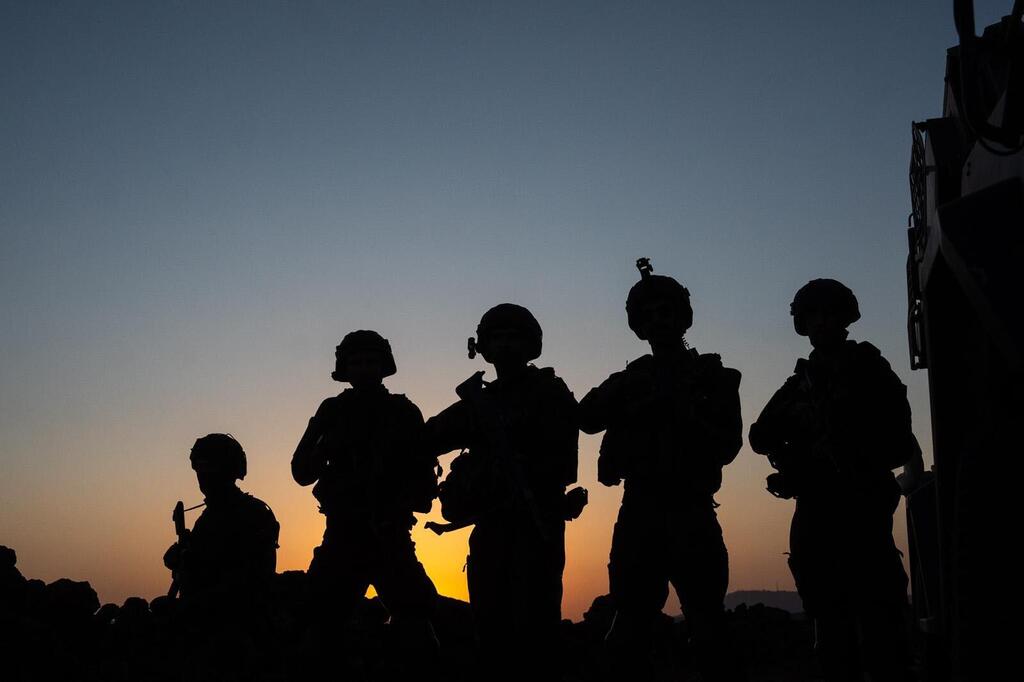
In a significant policy step that contradicts the position of IDF Chief of Staff Lt. Gen. Eyal Zamir, Katz decided to cut the annual reserve call-up from about 60,000 to 40,000 service members. As the Knesset advances legislation expanding draft exemptions for Haredi youth, Katz will instruct the IDF to prepare plans based on the smaller reserve force. If lawmakers approve extending compulsory service to 36 months, the defense establishment says the change would add roughly 10,000 active-duty service days each year.
(Photo: IDF)
Smotrich removed from the agenda several austerity measures previously considered for career personnel across the IDF, police, Shin Bet, Mossad and Israel Prison Service. Shelved proposals included cuts to transition-period allowances for retirees, canceling a salary supplement tied to the taxable value of leased private vehicles starting in January 2026 and reducing vacation benefits for security personnel except combat troops.
The Finance Ministry said the agreed budget framework will avoid tax hikes in the coming year and could enable some reductions. Smotrich said he “welcomes the defense establishment’s cooperation,” adding that the government is allocating significant funding for military growth while aiming to return Israel to economic expansion.
The cabinet convened Thursday morning to approve the state budget, which will guide Israel’s economic direction for 2026. Ministers received the proposal alongside an unexpected change: the annual deficit projection, previously announced by Smotrich as 3.2 percent, rose to 3.6 percent in the draft. Officials expect the final approved budget to reflect a deficit of about 4 percent.