

On Thursday, the IDF announced what it called its largest-ever airstrike in Yemen, saying dozens of warplanes struck Houthi military and intelligence sites in the capital, Sanaa. But local sources said the raids did not kill any senior Houthi leaders and that many of those affected were not high-ranking figures.
According to the IDF, the operation saw dozens of aircraft launch more than 65 strikes, guided by military intelligence. The attacks came just as Houthi leader Abdul Malik Badr al-Din al-Houthi was delivering a pre-recorded speech, and a day after a drone strike on Eilat wounded more than 20 people.
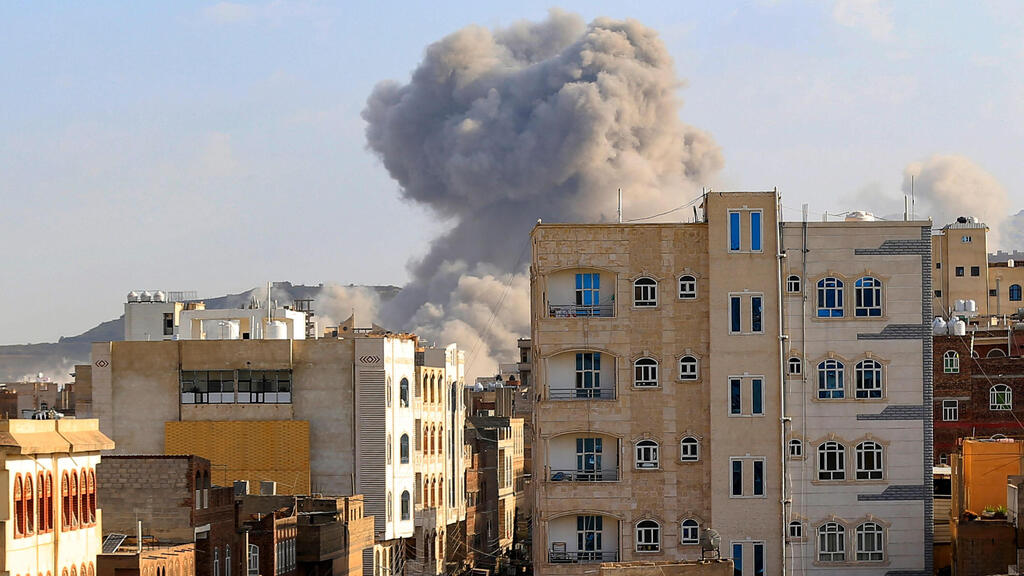
The damage in Sanaa after the strike


Sources in Sanaa said the strikes hit a range of sites across the city, including three intelligence and security offices — one in the Shamlan neighborhood, another in Hadda that previously served as the political security headquarters, and a third in the old Al-Bakiriya quarter.
They added that Israeli warplanes also struck a four-story building on al-Raqas Street, damaging nearby homes, as well as a villa near the residence of Houthi supporter and arms dealer Fares Manaa in Hadda. Additional targets included part of al-Iman University’s campus, the Dahban power station in the Bani al-Hareth district, the state electricity and energy corporation in northern Sanaa, and a facility near the presidential palace reportedly used for “military communications.”
Local reports said the strikes caused human and material losses, but not among the group’s top leadership. A Yemeni political analyst told Ynet that Israel had “abandoned its initial caution about civilian casualties” and was now carrying out “poorly calculated reactions.” He said, “None of the Houthis’ key leaders were killed, and the group is learning Israeli strike patterns. They shield their main leaders with strong security and deliberately place less important figures in sensitive sites to draw Israel deeper into unnecessary bloodshed.”
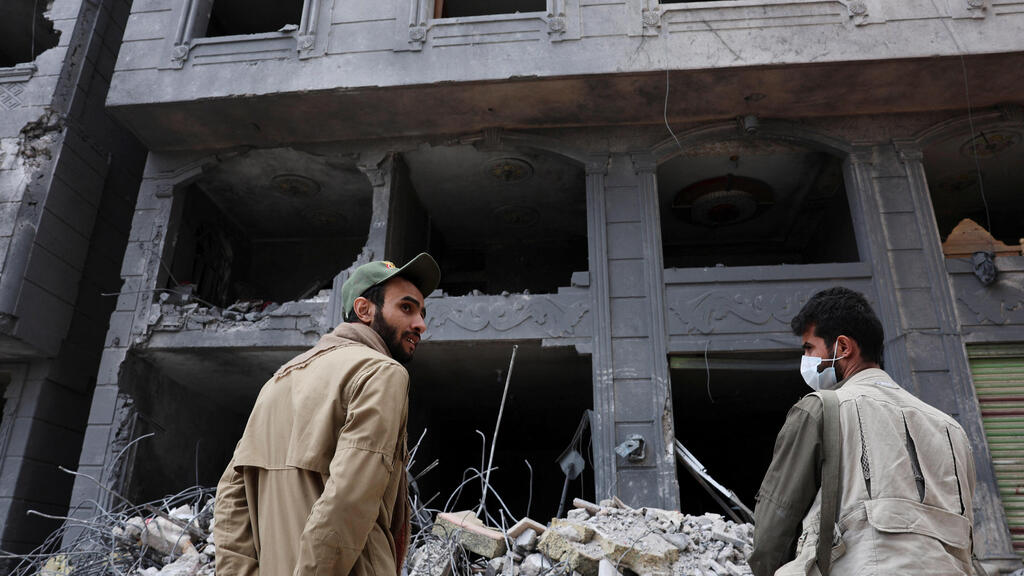
(Photo: Reuters/ Khaled Abdullah)
The analyst added that some of the targeted intelligence buildings housed political prisoners and opponents of the Houthis. “Israel must not give the Houthis such advantages. These are mistakes that must be corrected,” he said, urging Israel to urgently adjust its strategy.
Another Yemeni security researcher claimed some of the strikes hit detention centers holding Houthi opponents, though it was unclear why. “We want precise operations,” he said.
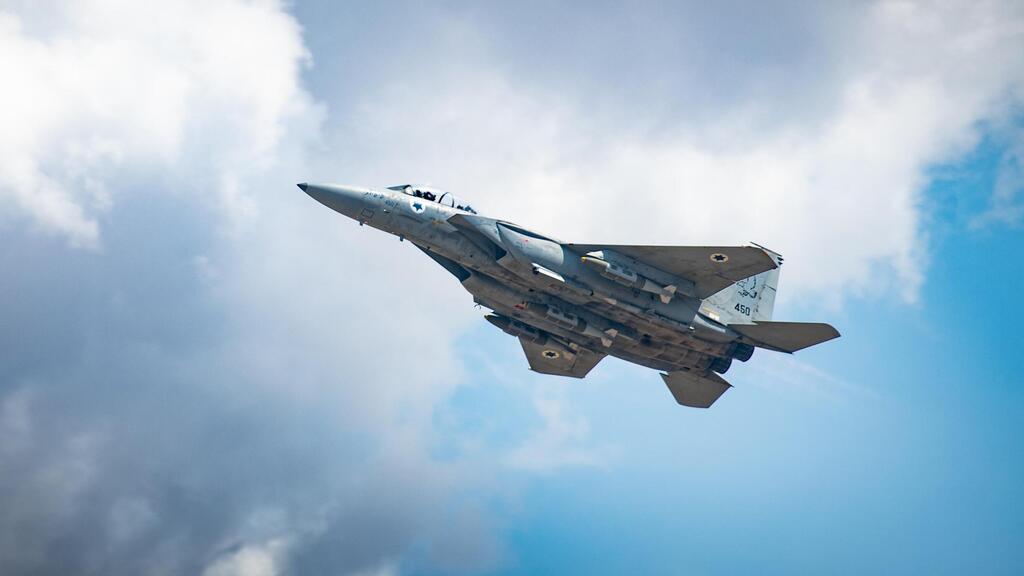
Israeli aircraft en route to strike in Yemen
(Photo: IDF)
Al-Masirah, the Houthi-run TV channel, reported that Israel bombed “residential neighborhoods and security headquarters” in Sanaa. It claimed the strikes were meant to enable prisoners to escape and “create chaos,” but declared that “the enemy’s plan failed.”
Other Arab media outlets also covered the strikes. Qatar’s Al-Araby al-Jadeed published testimonies from families trying to reach relatives detained in facilities that were hit. London-based Asharq Al-Awsat reported that the Houthis had turned opposition figures’ homes into detention centers and even held UN and aid organization staff there. On Friday, sources told the paper that Israel struck an intelligence building in Sanaa’s diplomatic quarter as well as another detention center in the al-Aanab neighborhood. But they added the Houthis had emptied the prison a day earlier.