

After being shut down two decades ago at the height of the Second Intifada, the IDF is bringing back the 500th Armored Brigade—where current IDF Chief of Staff Lt. Gen. Eyal Zamir once served.
The first officers of the brigade’s new incarnation are now being appointed, ahead of the formation of two battalions expected to be operational by mid-2026.
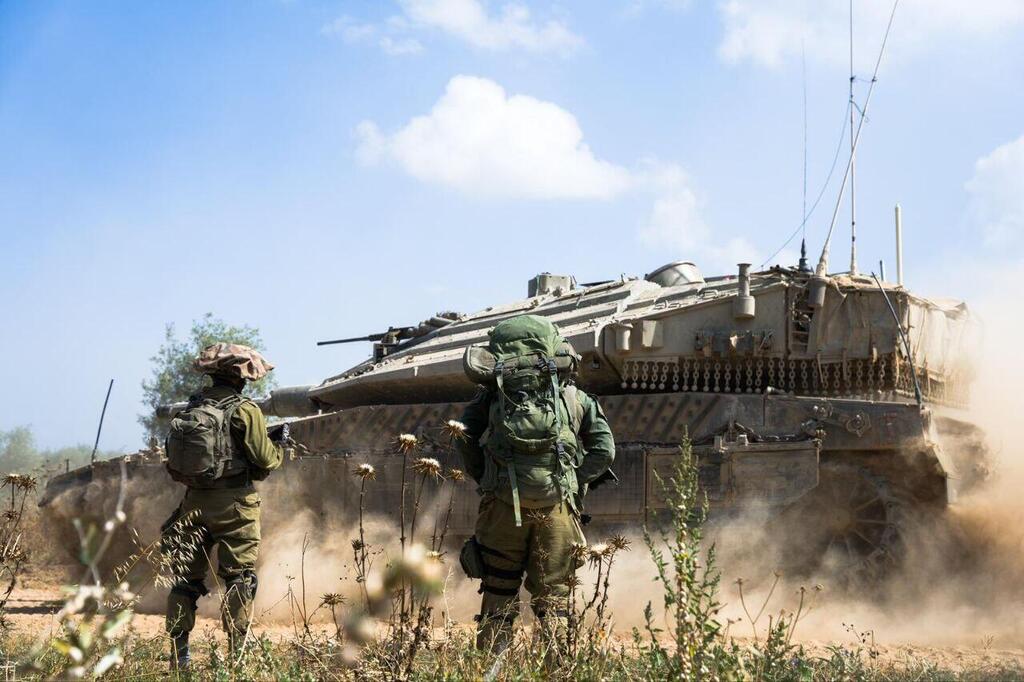
The move is part of Zamir’s broader plan to expand the IDF’s ground forces, a key lesson drawn from the October 7 war. The military is rapidly moving to reestablish the brigade, known as the Kfir Formation, which was disbanded in 2003 after serving as a regular armored unit operating Magach tanks.
The reformed 500th Brigade will be a reserve unit, likely under the regular 162nd Division of the Southern Command—the same division under which it operated historically, including during the 1973 Yom Kippur War.
The brigade will be equipped with Merkava Mark 4 tanks phased out of active-duty units like the 401st Armored Brigade, which is set to receive upgraded Merkava 4s, including the Barak variant—Israel’s most advanced tank. The 401st already operates two Barak-equipped companies, which have seen combat inside Gaza.
Due to the relatively slow production rate of Merkava tanks—just a few units per month—it is expected that the 500th will receive its soldiers before it has its full tank fleet. The company commanders will be current operations officers in the reserves, and the full establishment of the brigade is expected by the end of 2027. Initial battalion-level exercises are slated to begin within a year.
Symbol and emblem to return home
Since the disbandment of the 500th, its emblem and insignia had been reassigned to the Sinai Training Division based at the Tzeelim base. Now, they will return to their original unit. However, the brigade’s Hebrew name is expected to change, as the regular Kfir Infantry Brigade—which now shares the same name—did not exist in 2003.
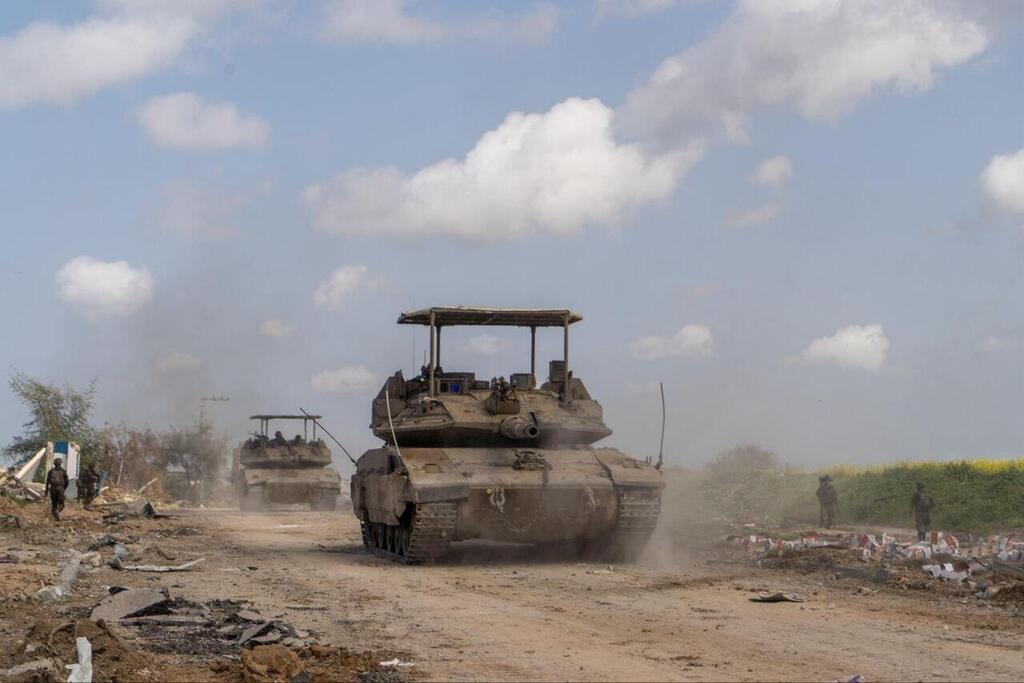
(Photo: IDF)
Hundreds of soldiers expected to join the 500th in the coming months will be drawn from existing forces, the result of a major structural shift in the Armored Corps during the war. At the outset of the conflict, reserve tank companies previously affiliated with regular battalions were redesignated as regular units. To support this shift, the IDF doubled the number of soldiers recruited into the Armored Corps during wartime draft cycles.
The army also reversed a pre-war decision to sell or scrap old Israeli tanks—once slated for sale to Balkan or South American states, or for dismantling as scrap metal. Instead, dozens of tanks were rapidly refurbished. Thirty of them were assigned to a newly formed reserve armor unit called Phoenix, composed of veteran volunteers who had aged out of reserve service but returned to the battlefield.
The start of the war also exposed years of neglect in reserve units. Hundreds of tanks were unfit for combat at the war’s outset, and many remained so during the fighting. In a High Court petition, the IDF acknowledged that a large number of tanks damaged in combat had yet to be restored to operational status. Dozens are still undergoing repairs and upgrades, a process taking three to six months, some even up to a year. The wartime arms embargo on Israel further complicated tank maintenance, as several key components are manufactured in Europe.
“We took our older tanks and integrated them with new technology, like the C4I command-and-control system, advanced armor layers, thermal sights and cameras, mostly from the Merkava Mark 3 series,” said Armored Corps officials. “The oldest models, such as the Merkava Mark 2B, were left in Tzeelim to be used for spare parts. We eliminated the distinction between regular and reserve brigades.”
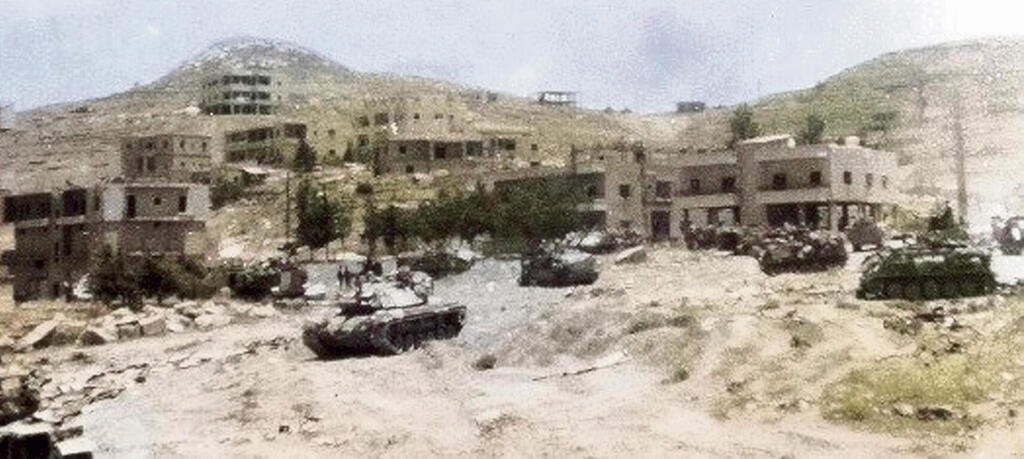
500th Brigade tanks in Lebanon
(Photo: Kfir Formation heritage site)
However, the corps admitted that the IDF did not conduct full-scale maneuvering during the war. In IDF doctrine, “maneuvering” refers primarily to a broad offensive in the Lebanese theater across complex mountainous terrain, something that never materialized.
As such, the Armored Corps was not tested in its most critical operational scenario, particularly against Hezbollah’s advanced Kornet missiles. The limited ground campaign near the northern border in late 2024—just 3 to 4 kilometers in depth—was no substitute.
The long war also revealed a broader failure in strategic planning. For years, senior military and political leaders were reluctant to commit to ground operations, resulting in chronic underinvestment in platforms and training for ground units. As a result, formations once low in the IDF’s priority list found themselves leading extended ground campaigns in Gaza.
One such example was the Southern Command’s 252nd Division, which at one point operated with 30% fewer tanks than its official allocation. While that gap has since narrowed, the division still faces a significant shortage compared to other armored units.
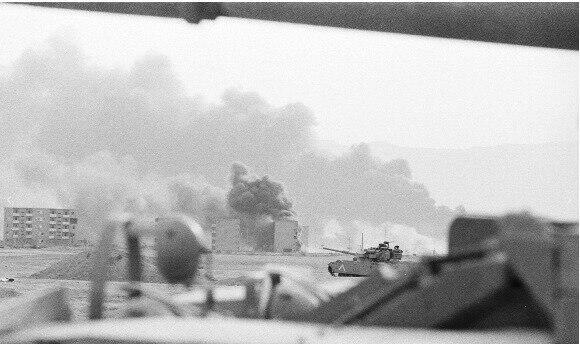
(Photo: Kfir Formation heritage site)
A further organizational change brought on by the war will reshape the infantry component of the 500th’s reserve battalions. Instead of the traditional mechanized infantry companies, the brigade will field “support” companies. These will include advanced mortar teams, reconnaissance and observation units, attack drones, medevac squads and an infantry command unit to support the battalion commander.
Female tank crews to join combat maneuvers in new IDF pilot
The Armored Corps is moving ahead with plans to expand the use of female tank crews, following their performance in the October 7 war. Prior to the war, the integration program had stalled, limited to about one and a half companies under the mixed-gender Caracal Battalion, tasked solely with border security along the Egyptian frontier.
But on the morning of October 7, those female tank crews proved their mettle, rushing from the Sinai border to the southern Gaza periphery, eliminating dozens of Hamas terrorists and helping prevent the takeover of communities such as Kerem Shalom. They later carried out additional missions inside Gaza itself. Despite their success, the momentum of the program again came to a halt.
Now, the Armored Corps plans to launch a new pilot program based on lessons from the war. This time, female tank crews will be integrated into maneuvering combat forces operating deep in enemy territory, similar to soldiers in the 7th and 188th armored brigades.
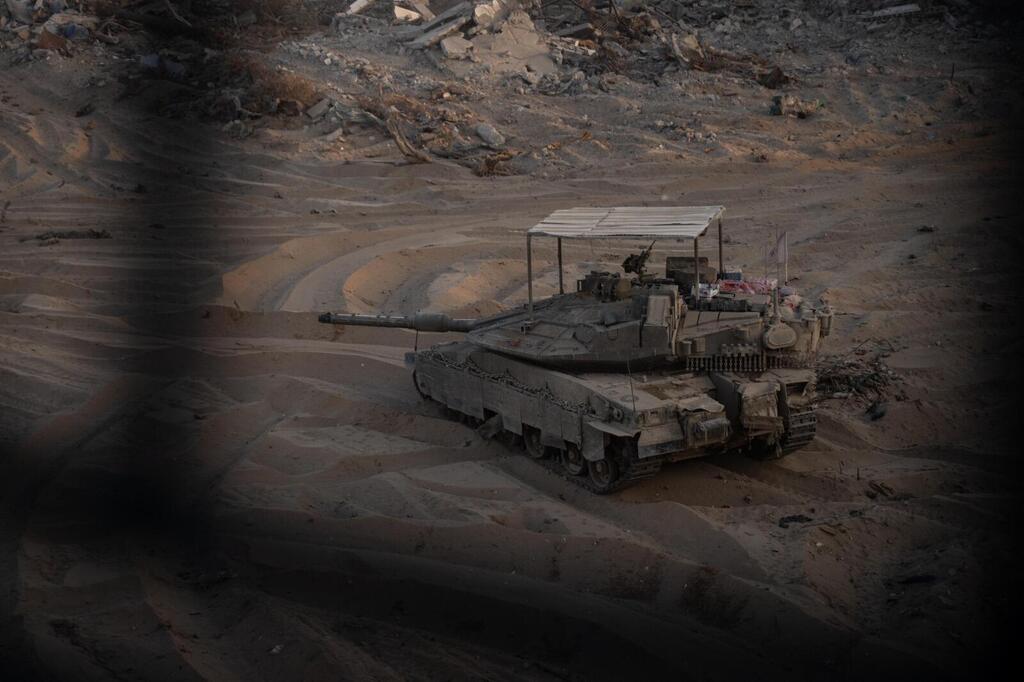
(Photo: IDF)
The pilot is scheduled to begin in the final quarter of the year, with female commanders to be recruited in the meantime. The goal is to keep the crews gender-segregated—all-female teams—to preserve unit cohesion. One key lesson from the war was the toll taken on crew dynamics when soldiers were wounded or killed in action, and their replacements struggled to reintegrate with teams that had lost a comrade.
“We’ve stopped focusing on things like height and weight for women,” said Armored Corps officials. “There are also small, slim male soldiers in the corps. Yes, there are physiological differences, but these women did outstanding work during the war, and their operational deployment will be in active combat zones like Gaza or the Golan Heights.”
Meanwhile, a separate pilot to integrate women into transport squads within infantry units has failed, though other efforts to place female soldiers in elite combat units are still underway.