

The Trump administration is weighing options to secure or remove Iran’s nuclear materials as the U.S.-Israeli military campaign against Tehran enters a more uncertain phase, CBS News reported Friday, citing people briefed on the discussions.
The timing of any such operation — if President Donald Trump were to authorize one — remained unclear. One person told CBS that Trump had not yet made a decision.
According to CBS, planning has focused in part on the possible deployment of forces from the secretive Joint Special Operations Command, the elite U.S. military unit often tasked with highly sensitive counterproliferation missions.
A White House spokeswoman said it is the Pentagon’s job to prepare military options. A Pentagon spokesman did not immediately comment, CBS said.
In a post Friday evening on Truth Social, Trump said, “We are getting very close to meeting our objectives as we consider winding down our great Military efforts in the Middle East with respect to the Terrorist Regime of Iran.”
The private deliberations over Iran’s nuclear material come as the conflict has evolved from an opening phase focused on degrading Iran’s conventional military capabilities — including air defenses, missile systems and infrastructure tied to the Islamic Revolutionary Guard Corps — to a broader effort aimed at ensuring Iran can no longer produce a nuclear weapon.
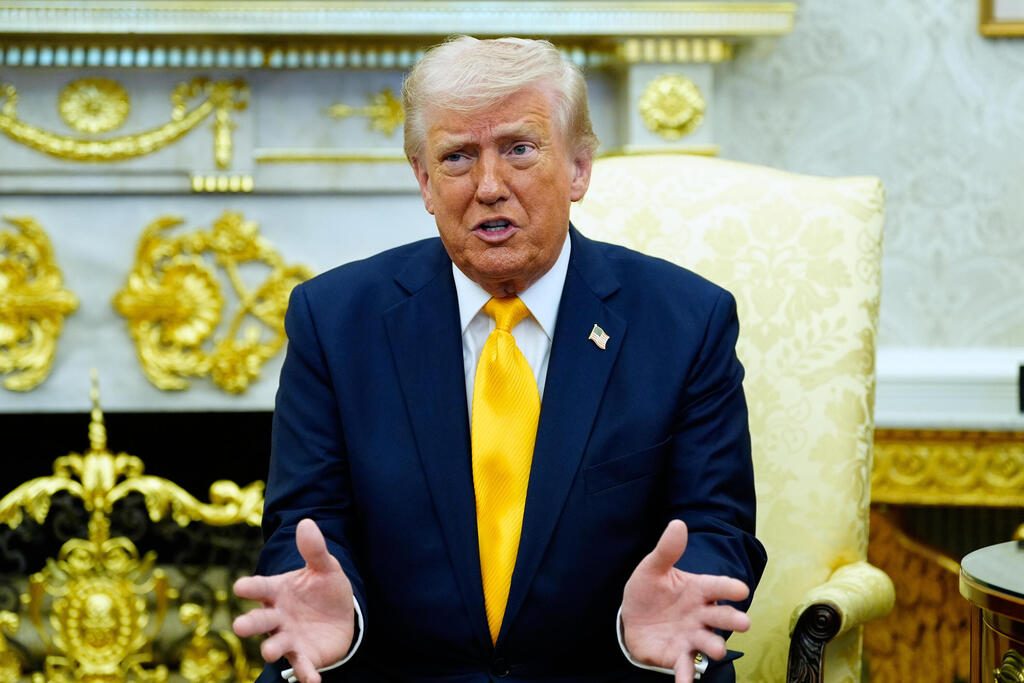
US President Donald Trump
(Photo: AP Photo/Alex Brandon)
The initial wave of U.S. and Israeli strikes was intended to reduce Iran’s ability to retaliate across the region. But despite the air campaign, Iran has continued to launch counterstrikes against Israel and U.S.-allied Gulf states, and has disrupted oil shipments by threatening vessels.
Six U.S. service members were killed and dozens wounded in an Iranian drone attack on a base in Kuwait, while another U.S. service member was killed in an attack in Saudi Arabia. Six Americans were also killed when a refueling aircraft crashed in Iraq last week.
More recently, CBS said, the administration has turned greater attention to a longer-term objective Trump laid out at the start of the war: preventing Iran from being able to build a nuclear weapon.
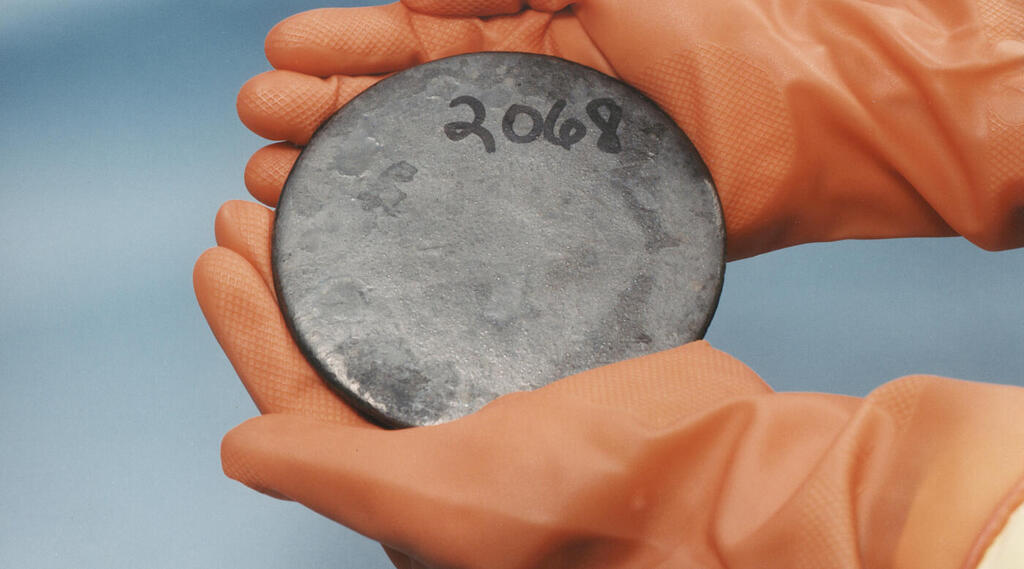
As of last summer, Iran had stockpiled about 972 pounds of uranium enriched to 60%, according to the International Atomic Energy Agency. That level is a short technical step from weapons-grade material, though still below it. Much of the uranium remains buried beneath nuclear sites bombed in a U.S. operation last summer.
(Photo: Shutterstock)
U.S. officials have said the administration has not ruled out trying to retrieve Iran’s stockpile of highly enriched uranium as part of the current military campaign. White House press secretary Karoline Leavitt said earlier this week that it remained “an option on the table for him.”
Any attempt to seize the uranium would be technically difficult and potentially dangerous.
“We’re talking about cylinders containing gas of highly contaminated uranium hexafluoride at 60%, so it’s very difficult to handle,” IAEA Director-General Rafael Grossi told CBS’ “Face the Nation with Margaret Brennan” this week. “I’m not saying it’s impossible. I know that there are incredible military capacities to do that, but it would be a very challenging operation for sure.”
The U.S. intelligence community assessed last spring that Iran was not actively trying to build a nuclear weapon, and Iran has long insisted its nuclear program is for peaceful purposes. But Tehran has in recent years enriched uranium to 60%, far above the level typically needed for civilian use. The IAEA has said Iran is the only non-nuclear weapons state enriching uranium to that level.
Since the war began, Trump has repeatedly said one of the campaign’s goals is to ensure Iran cannot obtain a nuclear weapon.