

Iranian Foreign Minister Abbas Araghchi said Tuesday that the second round of nuclear talks with the United States was “very serious” and that the sides had reached understandings on several fundamental issues that could form the basis of a potential agreement.
Speaking after leading Iran’s delegation at indirect talks in Geneva, Araghchi noted that the progress made does not mean his country will reach an agreement soon with Washington on Tehran’s nuclear program.
He said “good developments” had been made and described the direction as positive. No date was set for the next round, he said, and both sides agreed to work on draft language before scheduling a third round.
Araghchi said that some issues still require further work. The parties would review two copies of a potential draft agreement and discussions over the details would continue after the delegations consult with their respective governments.
The indirect talks, mediated by Oman, opened Tuesday morning and concluded after about three hours. The negotiations come amid escalating rhetoric between U.S. President Donald Trump and Iran’s Supreme Leader Ali Khamenei, as well as a naval exercise by Iran’s Islamic Revolutionary Guard Corps in the Strait of Hormuz.
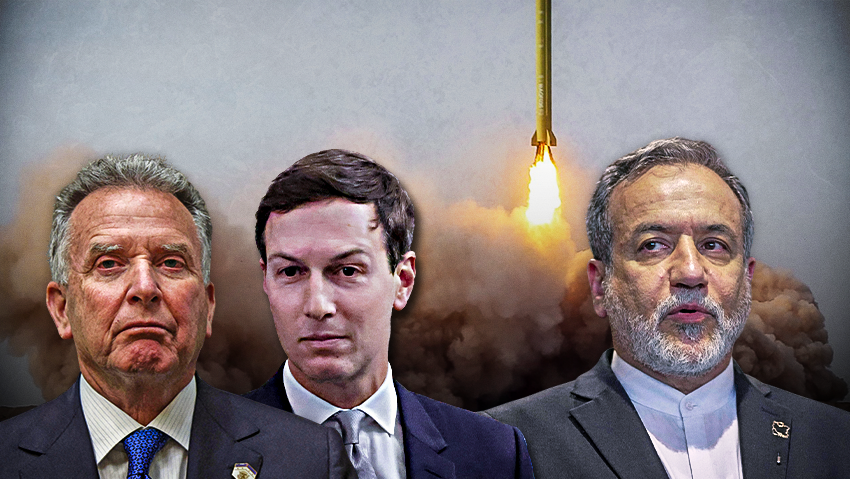
U.S. envoy Steve Witkoff and Jared Kushner represented Washington at the talks. Oman’s foreign minister, Badr Albusaidi, shuttled between the sides, which met at the residence of Oman’s ambassador to the United Nations in Geneva.
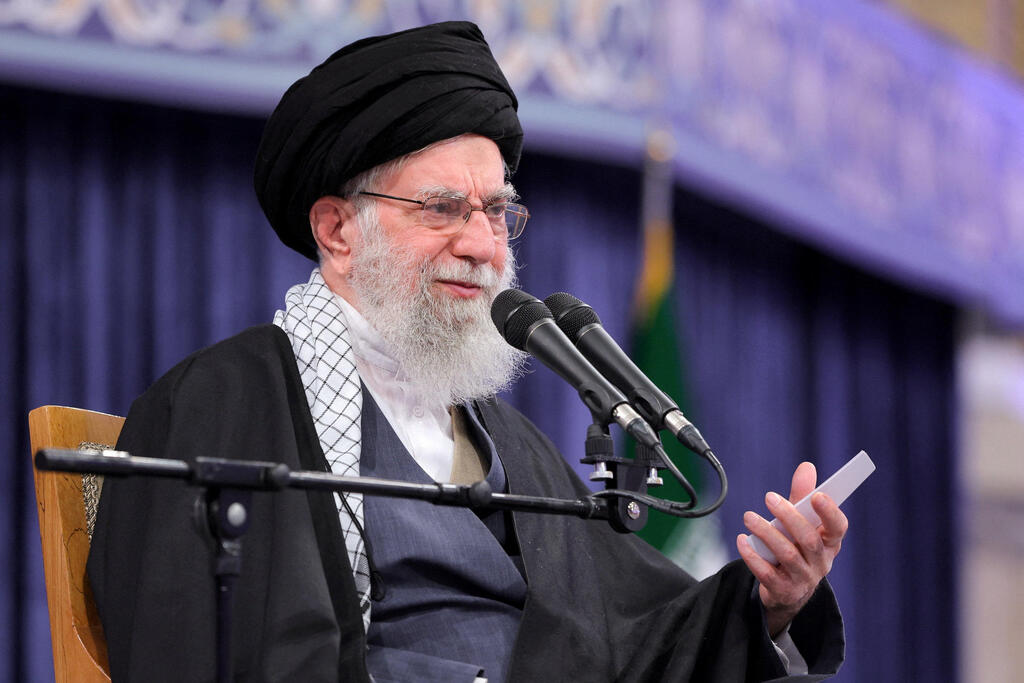
Iranian Supreme Leader Ali Khamenei
(Photo: Office of the Iranian Supreme Leader/WANA (West Asia News Agency)/Handout via REUTERS)
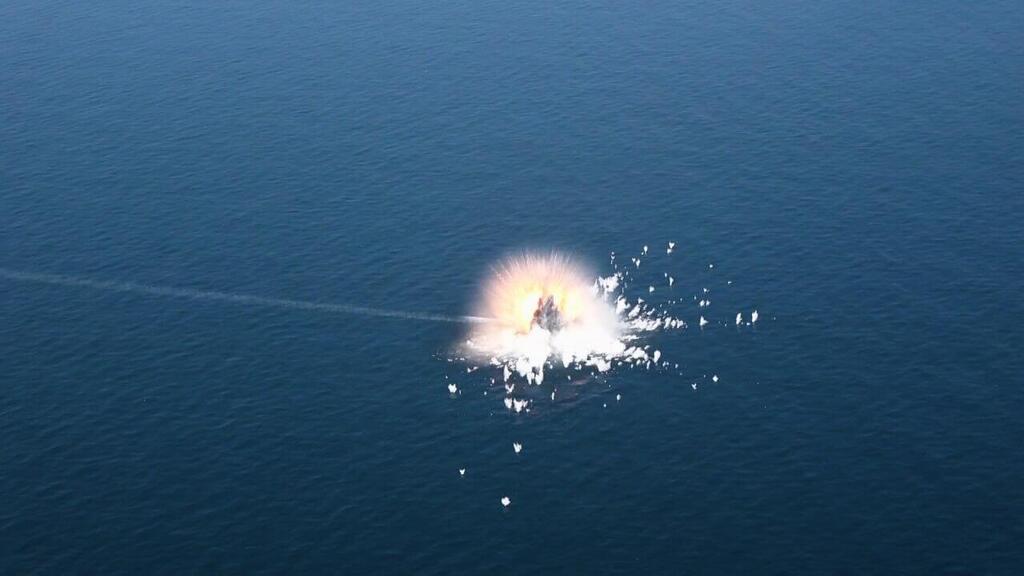
An Islamic Revolutionary Guard Corps naval exercise in the Strait of Hormuz
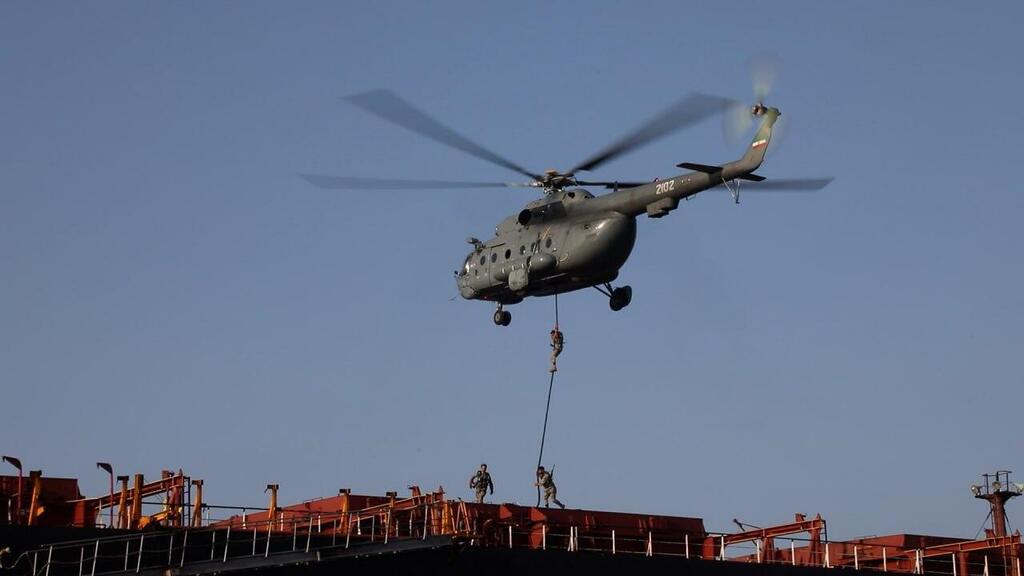
An Islamic Revolutionary Guard Corps naval exercise in the Strait of Hormuz
Araghchi called the talks "constructive" and said that "various ideas were raised.” Against the backdrop of speculation that a breakdown in talks could lead to a U.S. strike on Iran, Araghchi said statements about possible use of force by Washington must stop immediately.
Late Monday, Trump told reporters aboard Air Force One that Iran “wants a deal.”
“I will be involved in those talks indirectly, and they will be very important. We’ll see what can happen,” he said. Asked whether the chances of an agreement were not “impossible,” Trump warned Tehran: “I think they want to make a deal. I don’t think they want the consequences of not making a deal.”
Khamenei responded after Trump recently said regime change in Iran would be “the best thing that could happen.”
Trump: Iran wants to make a deal
(Video: from X)


“You will not be able to overthrow the Islamic Republic,” Khamenei said. After Trump ordered a second U.S. aircraft carrier to the region, Khamenei warned that while American destroyers are dangerous, “the weapons that can sink them are more dangerous.”
The supreme leader cautioned against a U.S. attack, saying the American military “may suffer a blow so severe it will not recover.” Even the strongest army in the world, he said, “can sometimes suffer a devastating strike.”
Meanwhile, the Revolutionary Guards continued a military exercise launched Monday in the Strait of Hormuz, which Tehran says is aimed at preparing its forces for “potential security threats.” Iranian authorities announced Tuesday that parts of the strait — a vital waterway through which about 20% of globally traded oil passes — would be closed for several hours as part of the drill.