

The appointment of Israel’s ambassador to London is awaiting a decision by police investigating the so-called “night meeting” affair amid the ongoing travel ban imposed on Prime Minister Benjamin Netanyahu’s chief of staff, Tzachi Braverman, at the conclusion of his questioning on January 11. The interrogation lasted 13 consecutive hours at the offices of the Lahav 433 national crime unit.
On Monday morning, the Lod District Court heard a police appeal of a Rishon Lezion Magistrate’s Court decision by Judge Menachem Mizrahi to cancel the travel ban and narrow the list of people Braverman is barred from contacting. District Court Judge Michael Karshen said during the hearing that “there is reasonable suspicion at a sufficient level. At this stage it has not weakened but rather strengthened,” adding that the investigation is expected to conclude “in the near future,” according to a police representative. For now, he postponed his decision on whether to accept or reject the appeal.
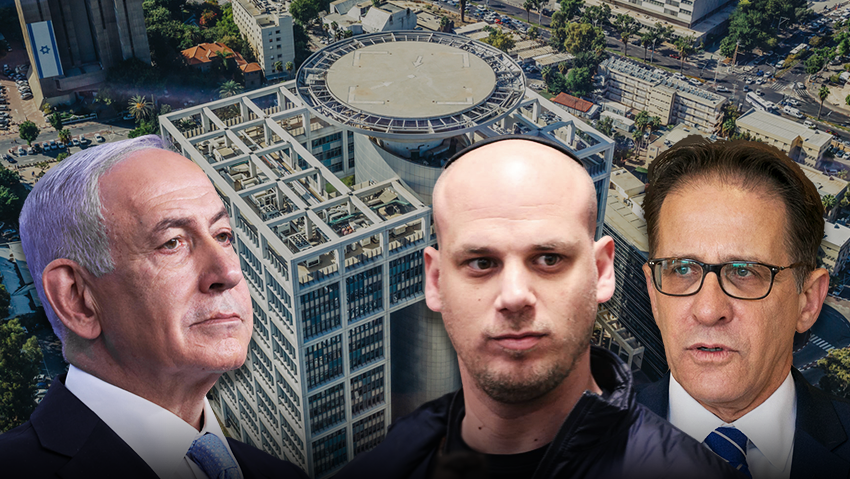
The suspicion and the delay of the appointment in the UK
Braverman was arrested about a month ago in the early morning hours at his home in Ness Ziona on suspicion of unlawfully disclosing official information, obstruction of justice and fraud and breach of trust. According to police, he received classified information about an investigation into the leak of documents to the German newspaper Bild and passed it to Eli Feldstein to warn him or help him obstruct the probe.
Last week, Braverman was summoned to a hearing before the Civil Service Commission ahead of a possible suspension decision. At the end of his questioning, he was released to five days of house arrest and placed under strict restrictions, including a travel ban, a prohibition on contacting officials in the Prime Minister’s Office, including Netanyahu, and a ban on entering the Prime Minister’s Office and the Kirya military headquarters in Tel Aviv. The travel ban prevented him from traveling to London, where he was set to begin his post as Israel’s ambassador to the United Kingdom.
Five weeks after the overt phase of the investigation began, police are still insisting that Braverman not leave the country for his diplomatic post, citing concerns he could obstruct the investigation and that it would be difficult to summon him for questioning on short notice if he were in London. His attorneys, Jacques Chen, Yaniv Yaki and Noa Firer, told the court that “from the moment he is required again for questioning, he will arrive in Israel within 12 hours.”
Braverman’s arrest marked the launch of a public investigation by Lahav 433 into the “night meeting” affair, which centers on alleged attempts to disrupt the probe into the leak to Bild. Feldstein was also arrested and questioned about the meeting, as was Omer Mansour, an employee of the Prime Minister’s Office who was later released under restrictive conditions. A court later lifted those conditions after it was determined that his role was limited to holding the cellphones of Feldstein and Braverman while they spoke in a car, a conversation he did not hear.
Testified: the former IDF chief of staff and the incoming Mossad chief
Investigators initially believed Braverman’s information about the leak investigation originated in the Israel Defense Forces, where a military counterintelligence unit had opened an inquiry. Former IDF Chief of Staff Herzi Halevi and Military Intelligence chief Maj. Gen. Shlomi Binder gave open testimony. A senior official in Halevi’s office, who now serves in a senior intelligence position, was questioned under caution but was later cleared of suspicion after investigators concluded Braverman had not received the information from the military.
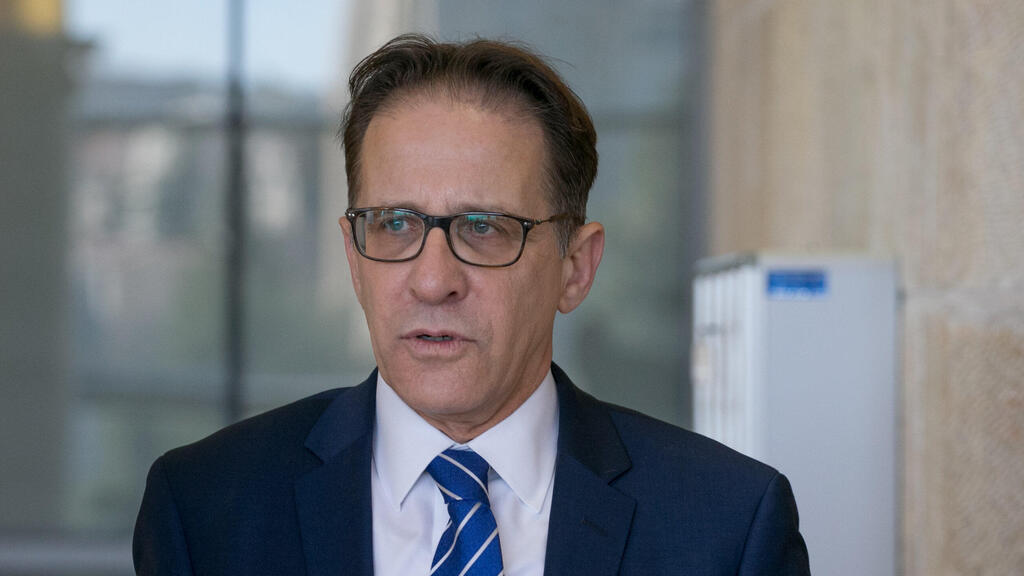
Tzachi Braverman
(Photo: Ohad Zwigenberg)
Two weeks after the investigation began, police obtained a sweeping gag order covering all details of the case, including future investigative materials that could reveal methods used by the Shin Bet security agency.
On Sunday, Prime Minister’s military secretary and incoming Mossad chief Maj. Gen. Roman Gofman gave testimony at Lahav 433 offices as part of the affair. Through his testimony, investigators sought to trace the transfer of classified material from the security services to the prime minister and determine what, if anything, passed through Braverman and whether information about the launch of the counterintelligence probe, which involved the Shin Bet, fell within his duties as chief of staff.
Feldstein’s interview — and the arrest
Feldstein, who sparked the affair, said in a television interview about two months ago that he received an urgent late-night phone call from Braverman instructing him to come immediately to a meeting on the fourth floor of a parking garage at the Kirya in Tel Aviv. Feldstein described what he called a “disruption meeting,” during which Braverman handed both of their phones to Mansour and the two sat together in a car. According to Feldstein, Braverman told him there was an investigation into the leak to Bild, showed him a note with six names and asked whether he knew them, adding, “I can shut it down.”
About three weeks after the interview aired, Braverman was arrested on suspicion of obstruction. During questioning, he did not deny that the meeting took place but said he did not clearly recall its contents. Feldstein said he could not remember the names on the note beyond one or at most two. Police are now examining whether, beyond the meeting, he took active steps to obstruct the investigation. Before making the investigation public, Lahav 433 investigators obtained approval from Attorney General Gali Baharav-Miara and carried out several covert investigative steps.
'Another extension — only if something new emerges'
“The investigation began as one version against another. We have advanced significantly from that point, the evidence has strengthened and everything appears in the confidential report,” a Lahav 433 representative said Monday morning during a hearing on the police appeal of a Rishon Lezion Magistrate’s Court decision by Judge Menachem Mizrahi to lift Braverman’s travel ban and narrow the list of people he is barred from contacting. “We are at an advanced stage of the investigation and seek to conduct it without interference or investigative contamination.”
The hearing was held before Lod District Court Judge Michael Karshen, who reviewed all investigative materials and the prima facie evidence collected since the probe began. “There is reasonable suspicion at a sufficient level. At this stage it has not weakened but rather strengthened,” he said, adding that the investigation is expected to conclude “in the near future,” according to a police representative.
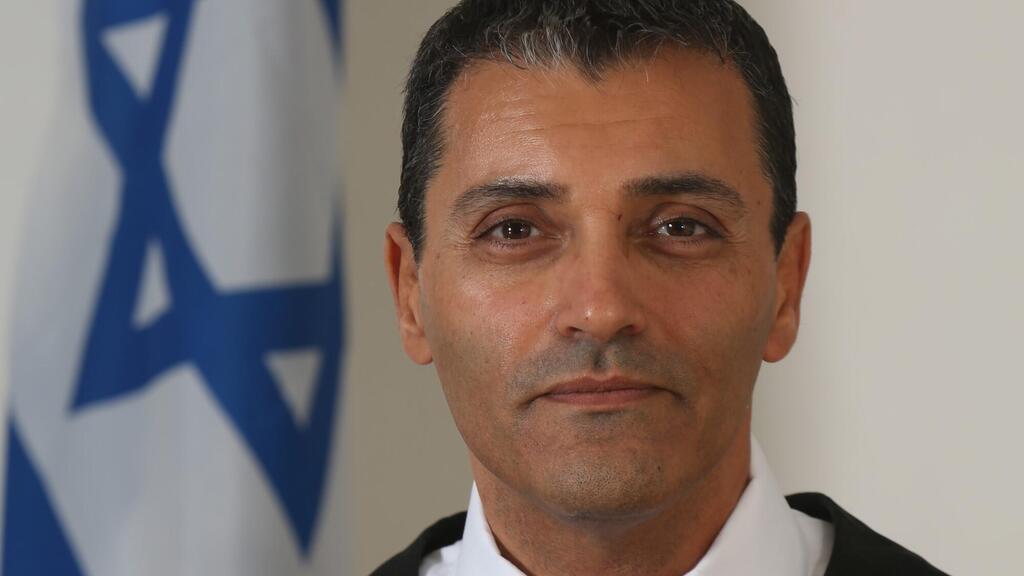
Judge Menachem Mizrahi
(Photo: Courts Administration)
At a hearing last week in the Magistrate’s Court, Mizrahi rejected a police request to extend the travel ban until February 24 and significantly narrowed the list of people Braverman is barred from contacting. He also ruled that the chief of staff may meet with the prime minister. Braverman’s attorneys have denied all suspicions attributed to him by police. “Even the police do not believe Feldstein,” they said, arguing that investigators negotiated with him overturning state’s witness before ultimately backing away.
Attorney Yaniv Yaki told the court the case is “a political investigation” and that police are effectively carrying out a “targeted thwarting” of Braverman’s appointment as Israel’s ambassador to London. At Tuesday’s appeal hearing before Karshen, Yaki argued that blocking Braverman from assuming the post harms Israel’s foreign relations and national interests. He submitted a letter from Foreign Minister Gideon Sa'ar outlining the damage caused by the absence of an ambassador in London.
Karshen, who asked police for a projected timeline for completing the investigation after hearing from their representative, said “the investigation is not expected to last long.” He added that once some of the restrictions imposed on Braverman expire on February 24, “police will not be able to request an extension of the travel ban without something new emerging in the investigation.” He postponed his decision on whether to accept or reject the police appeal of the Magistrate’s Court ruling.