

The White House on Wednesday rejected reports that the United States had formally requested an extension of its ceasefire with Iran, even as officials signaled that negotiations are ongoing and likely to resume soon.
“I saw some reporting, again, bad reporting this morning, that we had formally requested an extension of the ceasefire. That is not true. At this moment, we remain very much engaged in these negotiations,” White House spokeswoman Karoline Leavitt said.
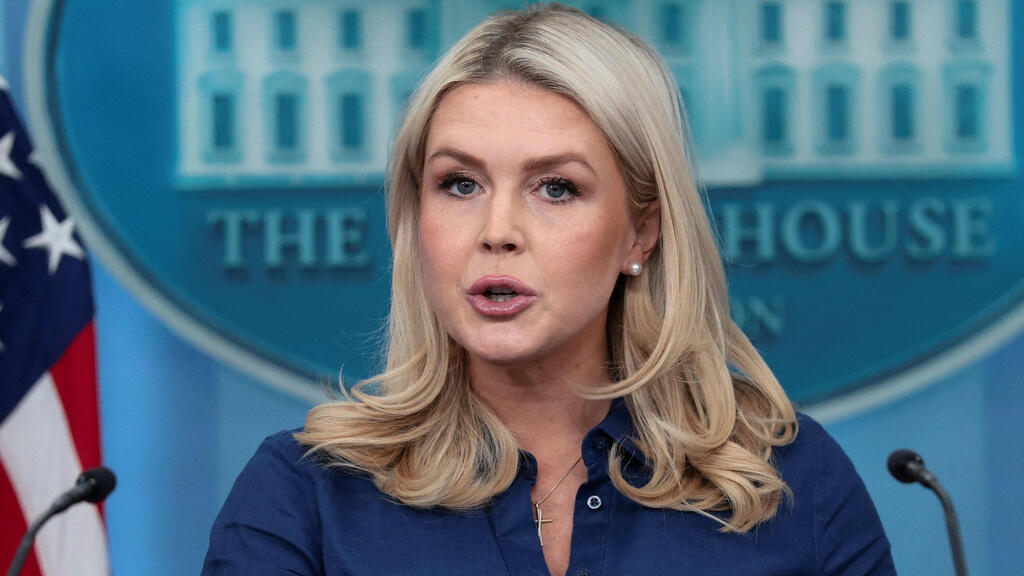
White House spokeswoman Karoline Leavitt
(Photo: Evelyn Hockstein/ Reuters)
Leavitt added that the next round of talks would “very likely” take place in Islamabad, where earlier negotiations were held.
Her comments come amid conflicting reports about the trajectory of the ceasefire, which is set to expire next week. Some reports have suggested the United States and Iran are considering extending the truce by two weeks to allow more time for negotiations, though no formal agreement has been announced.
U.S. officials have described the talks as “productive and ongoing,” as diplomatic efforts intensify to prevent further escalation in the region.
The negotiations are unfolding alongside rising tensions on multiple fronts.
Iranian officials have claimed that a ceasefire in southern Lebanon could begin overnight for one week, but Israel has denied that any decision has been made. Israeli officials said the security cabinet is expected to convene to discuss the continuation of the war.
Washington is pushing for a broader de-escalation, including a potential pause in Lebanon, even as the Israel Defense Forces continues operations against Hezbollah terrorists in southern Lebanon.
At the same time, Pakistan has emerged as a key mediator, with its leadership hosting previous rounds of talks and continuing to coordinate efforts between Washington and Tehran.
Despite signals of progress, major issues remain unresolved, including Iran’s nuclear program and the status of the Strait of Hormuz, both central sticking points in negotiations.
For now, officials on all sides stress that talks remain active but fragile, with no final agreement reached and the possibility of further escalation still on the table.