


Upon his return from a meeting with U.S. President Donald Trump, Prime Minister Benjamin Netanyahu convened a small, sensitive cabinet meeting with Israel’s security officials. He presented the understandings and agreements reached in Washington regarding the continued freedom of action for Israel across all arenas: Iran, Lebanon, Gaza, Syria, Yemen and the West Bank.
Within the security establishment, preparations are underway for a scenario in which the Israel Defense Forces may be required to operate in each of these arenas, some in a phased manner and some simultaneously.
Gallery
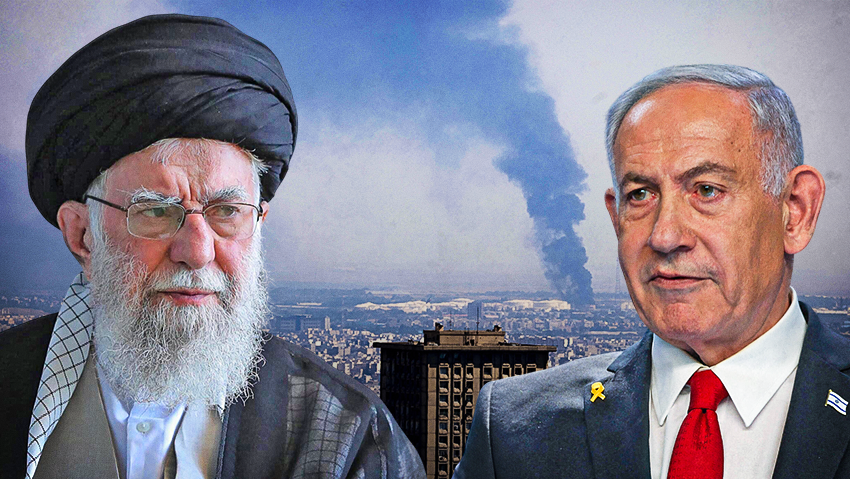
Ali Khamenei, Benjamin Netanyahu
(Photo: Getty Images, ATTA KENARE / AFP, Ronen Zvulun/ Reuters)
Developments in Iran, particularly the destabilization of the ayatollahs’ rule, are at this stage the central factor shaping decision-making in Jerusalem. At the same time, Israeli officials remain cautious about the implications of the unrest. Despite the expansion of protests across Iran, assessments in Israel are that the current wave, while broad and increasingly visible, is still unlikely on its own to bring about the collapse of the regime.
Senior officials note that toppling a regime in a country such as Iran requires multiple components coming together, and that the situation has not yet reached that point. Still, the evolving reality forces Israel to remain prepared for unexpected developments and extreme scenarios.
A fire at an ammonia plant in Iran


Military Intelligence is focusing its efforts on Iran along three main lines: close monitoring and the formation of an accurate intelligence picture to avoid missing sudden or dramatic developments, as happened in the past with the collapse of the Assad regime; continued collection of high-quality targets, a process that began with the conclusion of Operation Rising Lion, as preparation for a future campaign; and providing early warning of the possibility of a large-scale, surprise launch of ballistic missiles.
Israeli officials stress that just as lessons were drawn from the “12-day war,” Tehran has also internalized that a first strike can be decisive in shaping the outcome of a campaign. Accordingly, Israel is tracking not only Iranian intentions but, above all, Iranian capabilities.
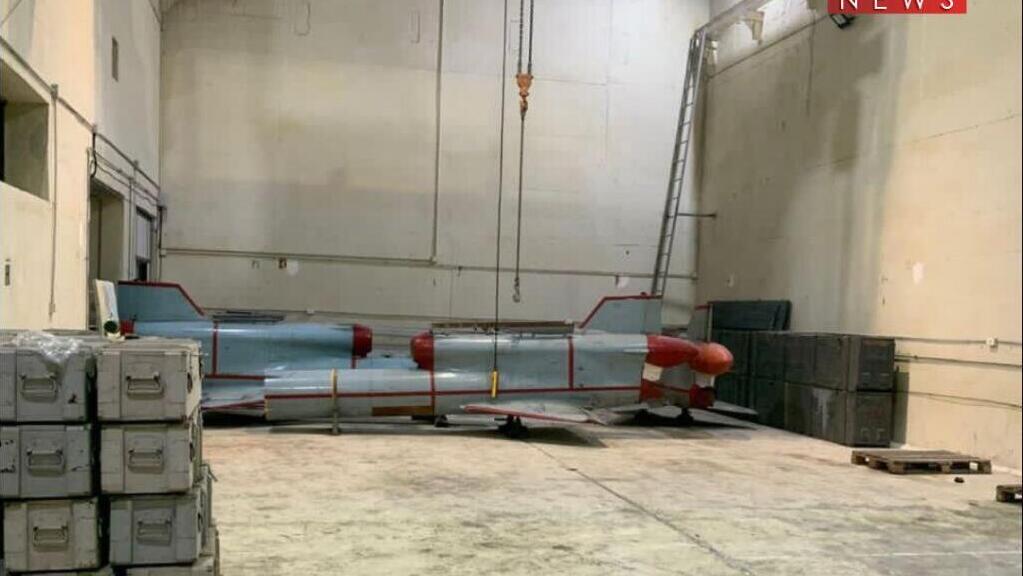
Converted Soviet drones used as cruise missiles found in Hezbollah facility
At the same time, concerns are growing within Israel’s security establishment over the risk of miscalculation. Each side fears the other may be planning a surprise attack, increasing the danger of a preemptive strike based on flawed assumptions. In recent months, Israel has conveyed messages to Iran through several channels stating it has no intention of initiating an attack, including during the latest protests. Iranian officials, however, have consistently said they do not believe these messages and view them as deceptive.
Alongside the intelligence effort, the Air Force is completing a dual-track buildup: developing attack plans against enemy combat formations and unmanned aerial vehicles, while at the same time strengthening Israel’s air defense array at all levels. The buildup draws on lessons from the previous confrontation and integrates new capabilities, including laser-based systems.
Were it not for the latest developments in Iran, there might have been little hesitation in executing the attack plan against Hezbollah, which has already been prepared and is considered operationally ready. Netanyahu has effectively received a green light from President Trump on the matter, and the IDF has made clear that from its perspective, the preparations are complete, leaving the decision largely one of timing.

U.S. President Donald Trump
(Photo: Jonathan Ernst/ Reuters)
Meanwhile, Hezbollah, according to published reports, has begun covertly deploying combat units and strategic weapons, based on its assessment that a confrontation with Israel is only a matter of time and that the reality following a meeting of the ceasefire monitoring committee will be different. Although the Shiite terrorist organization has not been disarmed, Israel assesses that its condition is significantly degraded.
According to the IDF, Hezbollah is operating at roughly 20 percent of its former strength. Israeli forces maintain five positions beyond the border fence, the Radwan Force no longer poses the cross-border raid threat it once did, and improved air defense capabilities, combined with laser systems, provide an effective response even in severe scenarios.
As a result, the central question facing decision-makers in Jerusalem is no longer whether to act, but when: whether to wait for further developments in Iran, Hezbollah’s strategic ally, or to exploit the current window of opportunity, potentially continuing a policy of sustained strikes in Lebanon as the organization refrains from responding even to the killing of senior figures in its military leadership.