

Lebanese media on Tuesday published images showing dismantled cruise missiles inside a Hezbollah facility in southern Lebanon, amid a fragile ceasefire with Israel and growing tensions along the border.
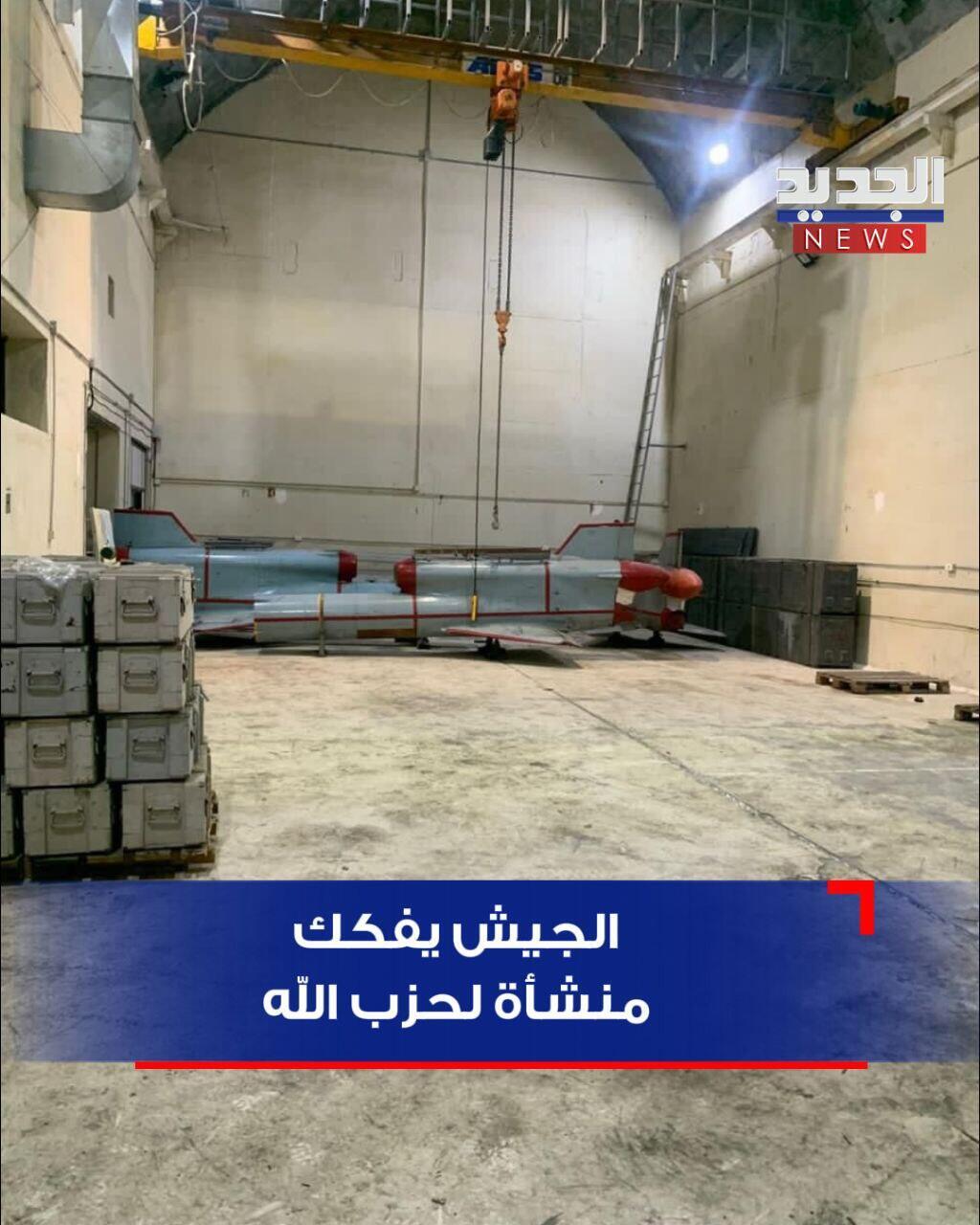
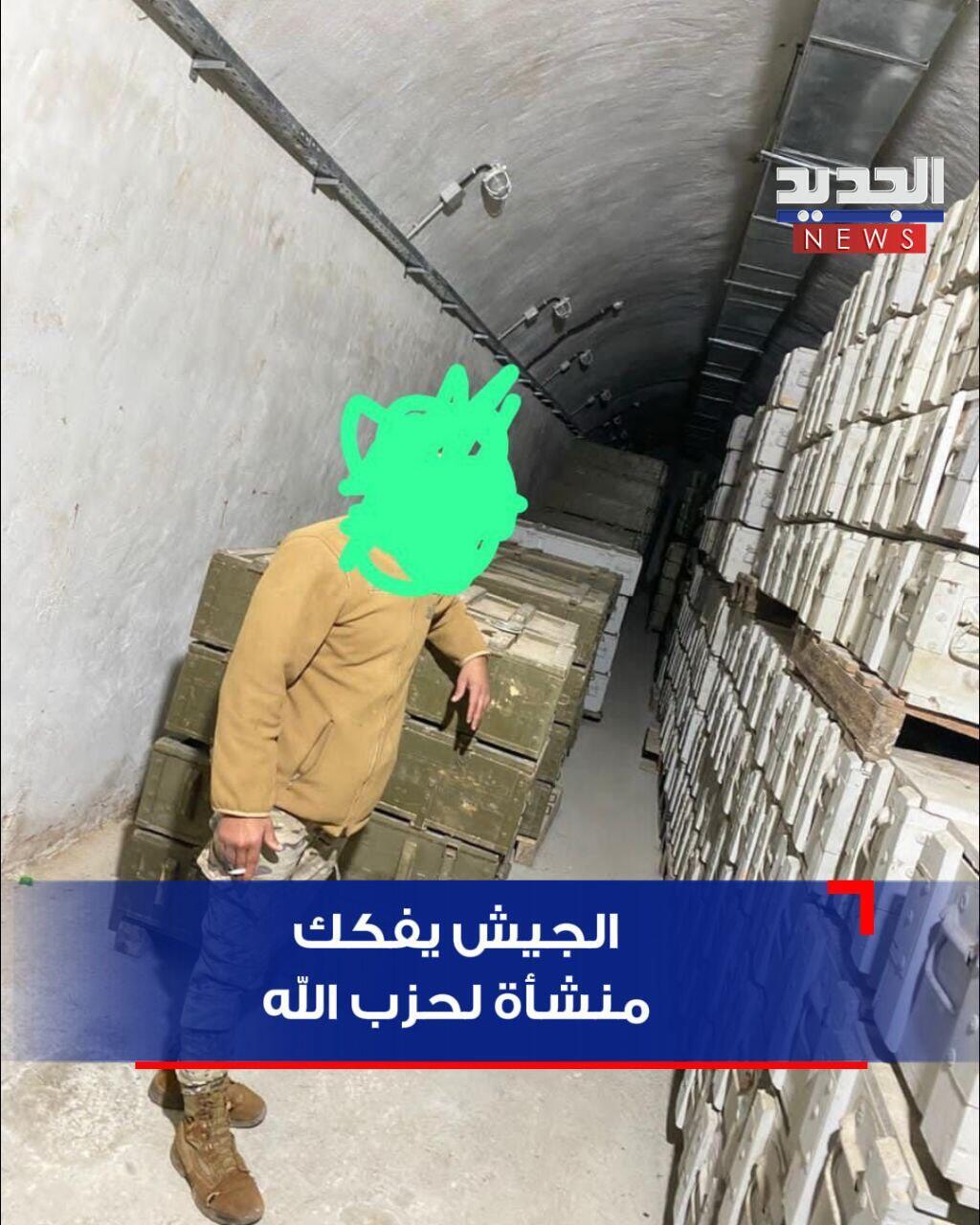
The images were aired by Lebanon’s Al-Jadeed television channel and showed missile components inside a site located between the villages of Kafra and Siddiqine, south of the Litani River. According to the report, the Lebanese army entered the facility about two weeks ago and has been dismantling it as part of efforts to place weapons under state control and disarm Hezbollah in the area south of the Litani.
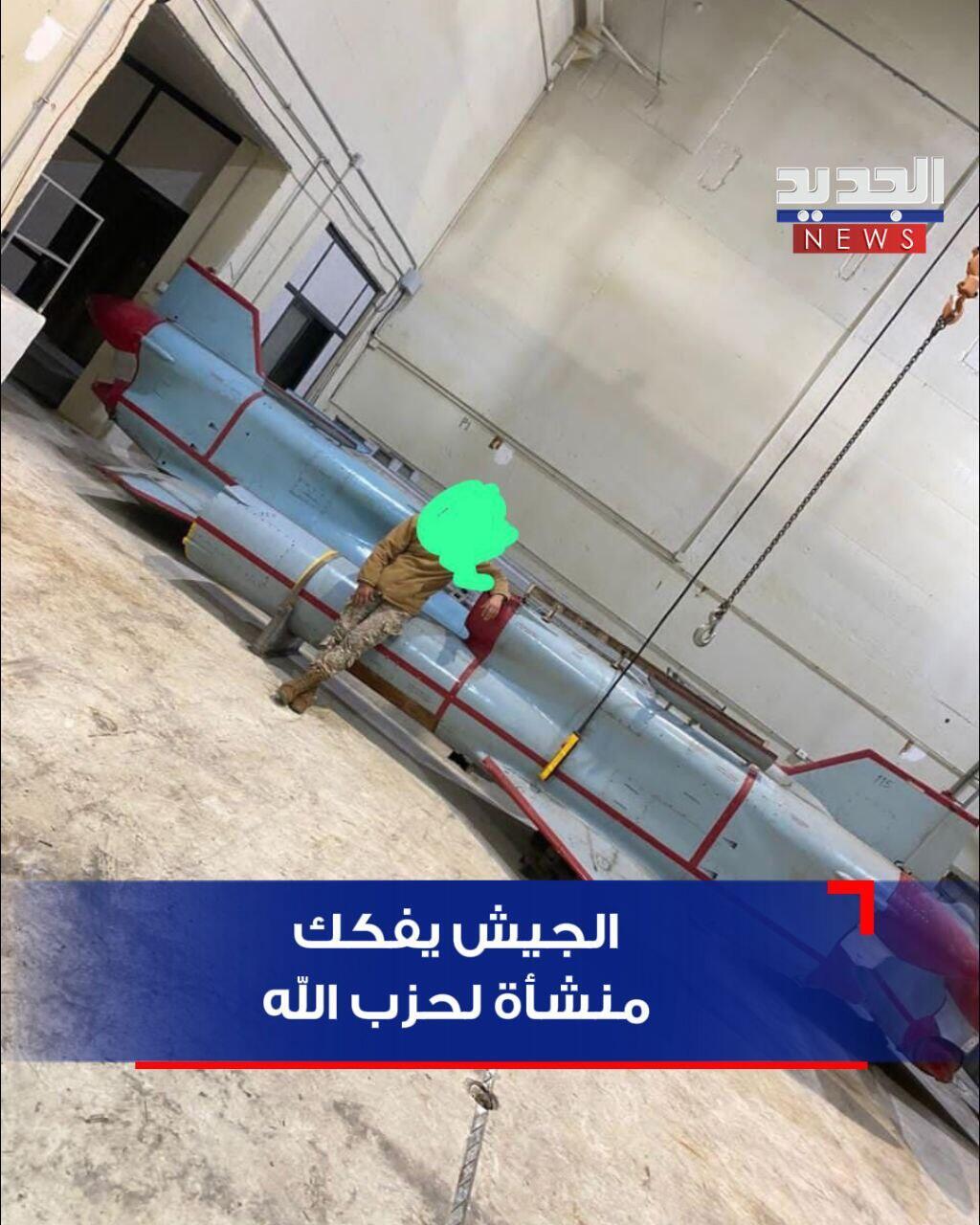
Tal Inbar, a senior research fellow at the Missile Defense Advocacy Alliance, said the weapons shown appear to be old Soviet-made drones that were converted into cruise missiles. He identified them as DR-3-type systems with a flight range of several hundred kilometers, a wingspan of about 2 meters (6.5 feet) and a warhead weighing up to 300 kilograms (660 pounds).
The broadcast came two days before the commander of the Lebanese Armed Forces, Gen. Rodolphe Haykal, is expected to announce to the Lebanese Cabinet the completion of the first phase of a weapons consolidation plan. That phase applies only to areas south of the Litani River.
At the same time, airstrikes in southern Lebanon continued. The Hezbollah-affiliated Lebanese newspaper Al-Akhbar reported that two people were killed Tuesday in an Israeli strike on the village of Dounine, saying the attack targeted a hangar surrounded by vehicles and construction equipment. Earlier, the military said it struck Hezbollah operatives in the village of Khirbet Selm.
Overnight, airstrikes hit what the military described as weapons depots and military structures used by Hezbollah and Hamas at several locations in Lebanon, saying the sites were embedded in civilian areas. Lebanese media reported injuries after a strike on an industrial building in the southern city of Sidon, with one report saying a three-story structure was completely destroyed and nearby buildings and shops were damaged.
The military said the strikes followed the identification of attempts to restore activity at four previously targeted sites, including two underground Hezbollah facilities. Ahead of the attacks, evacuation warnings were issued to residents of four villages. The military also said it killed two Hezbollah operatives earlier this week who were involved in rebuilding the group’s military capabilities in southern Lebanon.
The continued strikes come against the backdrop of mounting concern over a possible renewed escalation, more than a year after a ceasefire was declared along the northern front. Lebanese officials have expressed unease following a recent meeting in Florida between Prime Minister Benjamin Netanyahu and U.S. President Donald Trump, with some in Lebanon warning Washington may have given Israel tacit approval to intensify operations.
Lebanese President Joseph Aoun said Tuesday that the strikes “raise many questions, particularly given their timing on the eve of a meeting of the ceasefire monitoring mechanism.” He said the attacks undermine local, regional and international efforts to prevent escalation, despite what he described as Lebanon’s cooperation with those initiatives.
IDF strikes in southern Lebanon


Aoun called on the international community to intervene to halt what he described as continued Israeli aggression and to allow the monitoring mechanism to carry out its agreed mandate with international backing.
Lebanese newspaper Al-Joumhouria reported that international contacts are continuing, particularly with countries involved in overseeing the ceasefire, in an effort to prevent escalation and pressure Israel to halt its strikes and adhere to the agreement. Saudi-owned Al-Hadath TV, citing sources close to Hezbollah, reported that Israeli military activity is expected to focus north of the Litani River in the coming months, with expanded strikes targeting additional Hezbollah facilities.