


After a deadly rocket strike Sunday morning in Misgav Am that killed Ofer (Pushko) Moskovitz when his vehicle was hit, Israeli forces operating deep in southern Lebanon are continuing their ground maneuver, aiming to push Hezbollah terrorists further away from the border.
The incident underscores the reason the IDF expanded its security zone inside Lebanese territory, which in some areas now reaches 9 to 11 kilometers. The deeper operation is intended to push Hezbollah terrorists beyond the range of anti-tank missiles targeting Israeli communities.
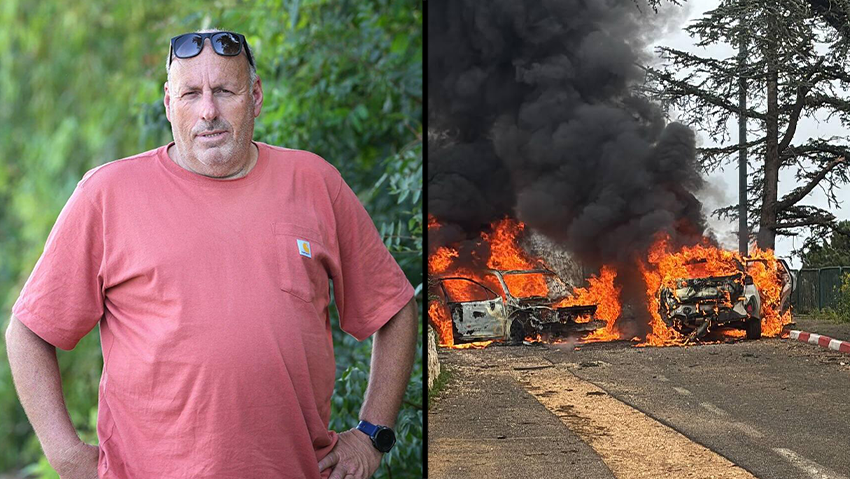
According to assessments, the IDF is expected to further deepen its hold on areas within the security zone. The move follows a Northern Command decision not to evacuate Israeli communities but instead to conduct a defensive battle inside Lebanese territory.
Over the weekend, the IDF said the 162nd Division had completed preparations for operations in the northern sector, while forces from the 36th Division continue targeted ground activity to destroy Hezbollah terrorist infrastructure.
During operations, troops raided several military structures and located large quantities of weapons, including rockets, rifles and magazines. Forces from the 7th Brigade killed more than 10 Hezbollah terrorists. At the same time, Golani Brigade troops identified a building used as a gathering point for Hezbollah terrorists.
A senior military official operating in the sector said the method of operation is slow, methodical and accompanied by heavy fire.
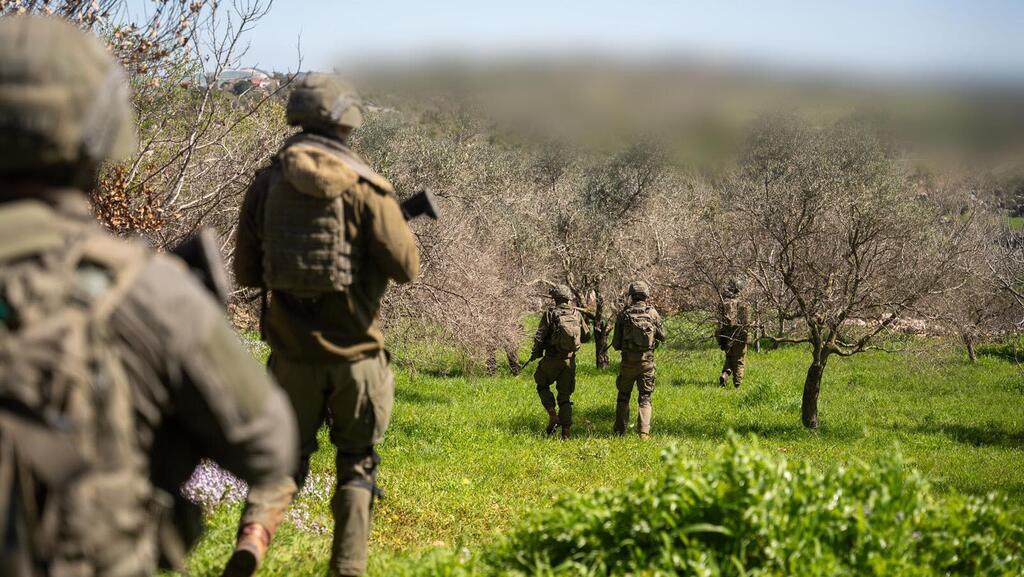
IDF forces in southern Lebanon
(Photo: IDF)
“Because villages in the second and third lines of homes are expected to be empty after evacuation warnings, anyone present is considered a terrorist,” the official said. “Operations are therefore conducted aggressively, with extensive firepower and technological tools. Many lessons have been learned from the fighting in Gaza, especially regarding entry into booby-trapped sites and areas that pose threats to forces. We are operating with very few restrictions.”
At the same time, the main effort of the Israeli Air Force and military remains focused on the campaign against Iran. Northern Command is currently receiving the resources needed to manage a deep defensive battle.
The ground maneuver, involving multiple divisions, is being conducted alongside efforts by the Air Force and Military Intelligence to target senior Hezbollah figures and infrastructure in Beirut’s Dahieh district, as well as in Tyre and Sidon.
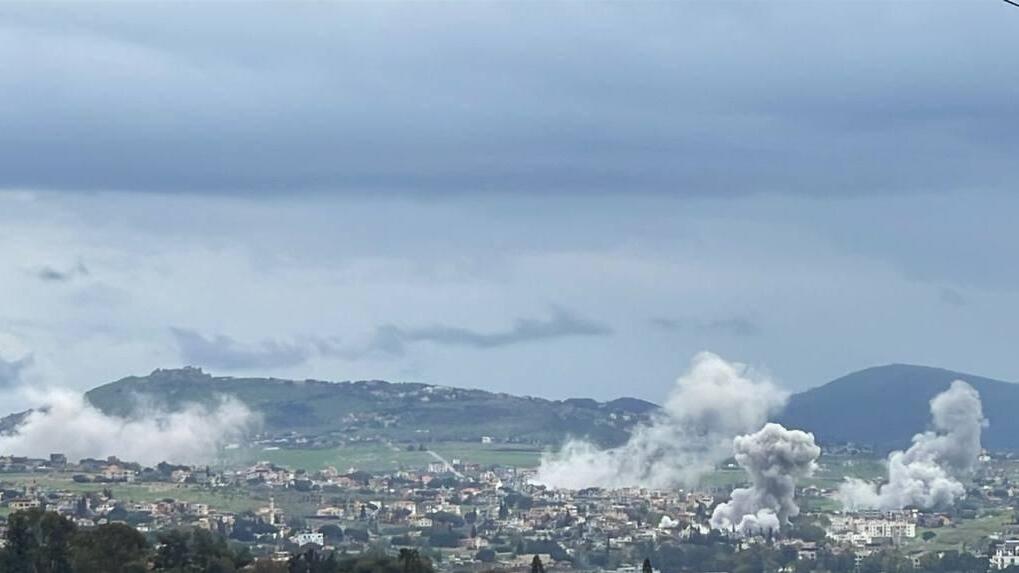
IDF strikes in southern Lebanon
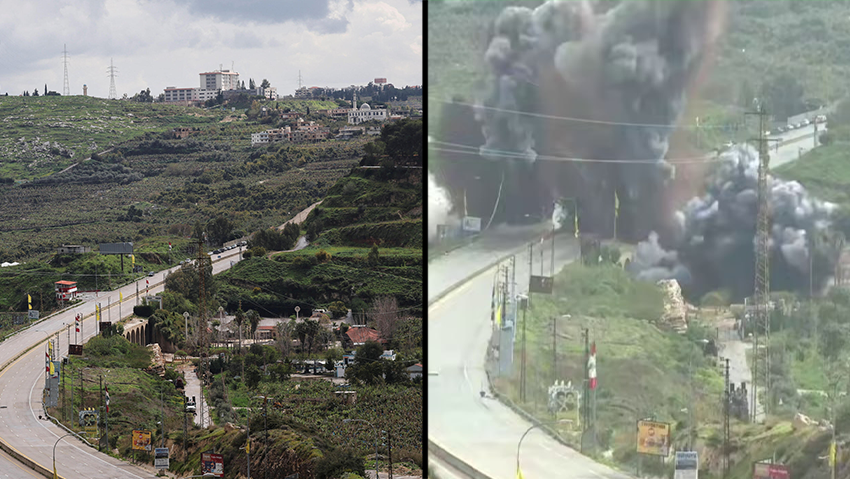
Strike on the al-Qasmiyeh bridge in Lebanon
(Photo: Amr Abdallah Dalsh/ Reuters)
As part of this effort, the IDF has begun striking bridges in southern Lebanon used by Hezbollah terrorists to transfer weapons and operatives from central Lebanon to the south. Three bridges have already been bombed in an attempt to disrupt supply routes and apply pressure on the Lebanese public and government to act against Hezbollah.
Defense Minister Israel Katz said Sunday: “Prime Minister Benjamin Netanyahu and I instructed the IDF to immediately destroy all bridges over the Litani River used for terrorist activity, to prevent the movement of Hezbollah terrorists and weapons southward, and to accelerate the destruction of Lebanese homes in contact-line villages to eliminate threats to Israeli communities, in line with the model used in Beit Hanoun and Rafah in Gaza.”
Security officials said Lebanon has so far failed to act effectively against Hezbollah, despite early statements against the group at the start of the current round of fighting. Israel hopes pressure on southern Lebanon, including strikes on bridges that effectively isolate the area from the Litani region, will increase public pressure on the Lebanese government.
However, defense officials are not eager to target Lebanese state infrastructure such as energy, economic or government systems, warning such actions would constitute a significant escalation. Some officials also caution that such strikes could strengthen Hezbollah by portraying it as a defender of Lebanon.
For now, Israel is refraining from attacking broader national infrastructure targets.