

Three years after the October 7 massacre, Israeli legal scholar and Israel Prize laureate Dr. Cochav Elkayam-Levy said the effort to document Hamas' sexual and gender-based crimes had succeeded in establishing a historical and legal record despite years of denial and attempts to discredit the evidence.
"We fought for three years and achieved something many believed would be impossible," Elkayam-Levy said at a special event at New York University School of Law. "We confronted the most difficult materials imaginable, trauma and enormous forces of denial, distortion and silencing. Today, the truth is here. It is documented, substantiated and anchored in a legal record that the world can no longer ignore."
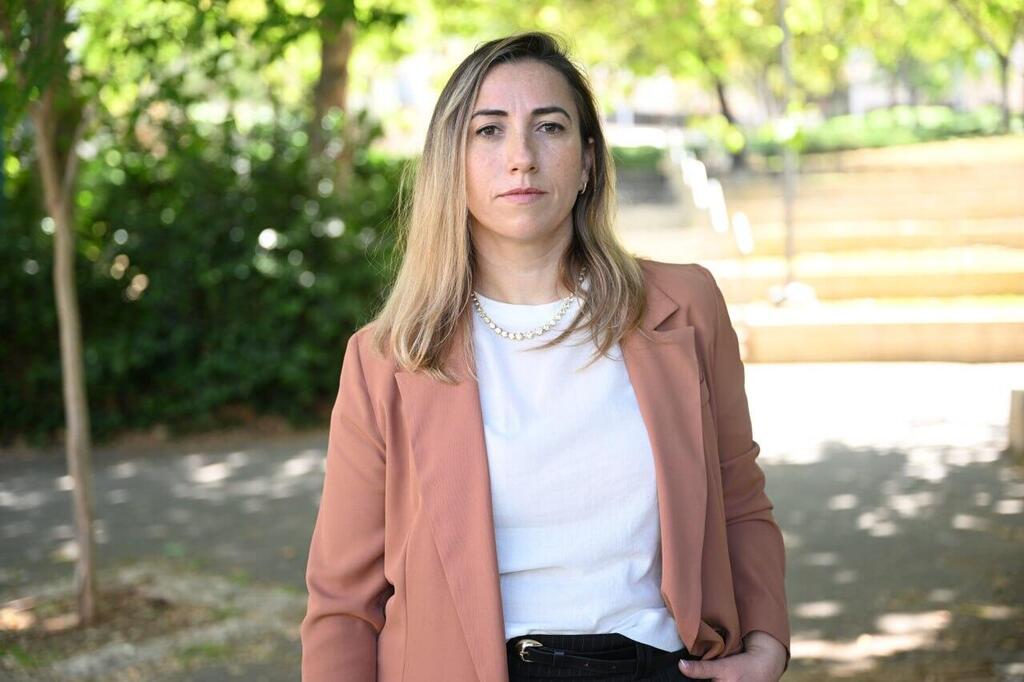
The event, titled "Standing With Truth," brought together Elkayam-Levy, founder and chair of the Civil Commission investigating Hamas' October 7 crimes against women, children and families, and Professor Carol Gilligan, one of the most influential figures in contemporary feminist scholarship.
Gilligan, whose work has shaped decades of thinking about women's voices, ethics, listening and responsibility, praised the commission's efforts to document sexual violence committed during the October 7 attacks and against hostages held in Gaza.
"Denial was one of the most painful manifestations of the rampant antisemitism we have witnessed in recent years," Gilligan said. "You exposed the truth. You broke the silence surrounding one of the deepest sources of pain for Jewish women around the world."
Gilligan said the commission had accomplished the difficult task of transforming accounts of atrocities into an evidentiary record capable of supporting legal accountability. "We stood behind you, and you succeeded in the hardest task of all: turning testimony that others tried to silence into legal truth and laying an evidentiary foundation that can endure for generations," she said.
The discussion came nearly five months after the commission published Silenced No More: Sexual Terror Unveiled, a report of nearly 300 pages examining sexual and gender-based violence committed during the Hamas-led October 7 attacks and against hostages in captivity.
The report draws on years of documentation, investigation and analysis involving thousands of pieces of evidence and witness accounts. It presents the commission's extensive factual findings and legal analysis of the crimes, intended to support accountability efforts and preserve the historical record.
Elkayam-Levy said the report marked a turning point in an effort that began as an urgent attempt to document atrocities before evidence could be lost or dismissed. "What began as an urgent effort to document atrocities became a struggle for truth itself," she said.
She emphasized that the commission's work was not limited to publishing its findings. Its archive was designed to preserve evidence over the long term, ensuring that survivor testimony and documentation remain accessible to future generations.
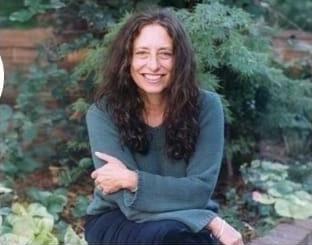
Professor Carol Gilligan
"Our responsibility now is to ensure that this truth remains strong decades from now," Elkayam-Levy said. "The archive we established will carry this truth forward for generations. The report and evidence are already being used in legal proceedings and will continue to serve the pursuit of justice."
She added that establishing the facts was only the beginning of a broader process of accountability. "The question is what we do once we know," she said. "How do we translate that knowledge into justice and reparations for survivors and families, and how do we turn remembrance into a responsibility to change reality?"
Rabbi Yehuda Sarna, NYU's university chaplain and former chief rabbi of the Jewish community in the United Arab Emirates, also addressed the gathering, emphasizing the responsibility of academic institutions to engage seriously with difficult testimony.
"Universities are places where young people learn not only what to think, but how to hold difficult truths with seriousness, humility and care," Sarna said.
He described the commission's work as an essential resource for students and the wider university community, praising its careful and humane documentation of the October 7 atrocities. "At NYU, where people from many different backgrounds come together, this conversation challenges us to ask: How do we listen when testimony is painful? How do we resist denial? And how do we allow truth to shape our responsibilities?" he said.
The event was attended by NYU faculty members and students, as well as researchers, public figures and other guests.
Three years after the massacre, the Civil Commission continues its efforts to preserve testimony, safeguard evidence and support legal accountability for the crimes committed on October 7 and during captivity.
For Elkayam-Levy, the challenge now is to ensure that the documentation becomes more than a record of the past, serving instead as a foundation for justice, prevention and remembrance. "The archive we established will carry this truth forward for generations," she said.