

Unable to afford or wait for enough new warships, the Israeli Navy is spending about 250 million shekels ($73 million) to rebuild a 35-year-old missile ship that might otherwise have been retired. The overhaul of INS Lahav reflects the pressure on the Navy to expand its air-defense capabilities quickly as threats to Israel’s offshore energy infrastructure and maritime routes continue to grow.
INS Lahav is one of three Sa’ar 5-class missile ships built in the United States and delivered to Israel roughly 35 years ago. Nearly two years ago, while its sister ships INS Hanit and INS Eilat were carrying out missions in the Mediterranean and Red seas, Lahav entered the Navy’s shipyard in Haifa, where it was stripped of its systems and effectively taken apart. It is now being rebuilt and is expected to return to service in about five months.
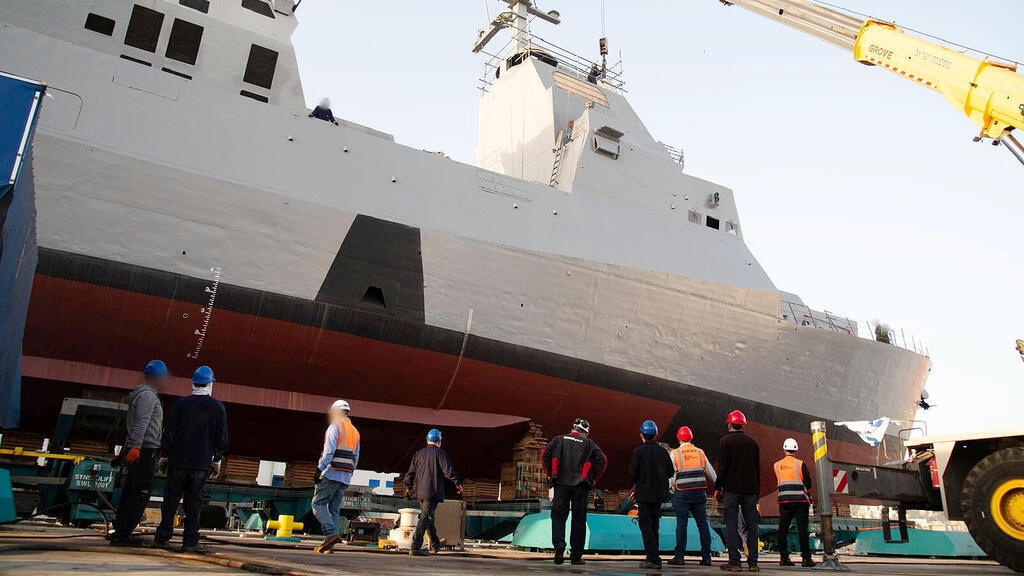
The Navy says the project will extend the ship’s operational life by at least 15 years and bring some of its capabilities close to those of the newer Sa’ar 6 corvettes. But the decision is also a compromise: A new missile ship costs more than 800 million shekels ($235 million), and the planning, procurement and construction process can take eight to 10 years.
“These are not standard operations,” said Lt. Col. Roy, who heads the special directorate established to oversee the overhaul. “Normally, when we want to improve performance, there are organized processes for planning and procuring new ships with built-in capabilities adapted to our operational needs. But those processes take between eight and 10 years, and a single ship costs more than 800 million shekels. In this case, we needed a much faster solution.”
The need became more urgent after the war began on Oct. 7, 2023. At the time, the Navy was completing the operational integration of four Sa’ar 6 ships built by Germany’s Thyssenkrupp Marine Systems to protect the Tamar, Leviathan and Karish gas fields and secure traffic in Israel’s territorial waters and exclusive economic zone. The four vessels proved insufficient as the Houthis intensified missile and drone attacks from Yemen, threats to energy installations increased and Israeli naval operations expanded in the Red Sea.
About a month into the war, the Navy began searching for a relatively quick and inexpensive way to add ship-based air-defense capacity. Lahav was selected for an overhaul that will equip it with Rafael’s naval Iron Dome system, an advanced radar developed by ELTA and new computing, navigation, sonar and communications systems, most of them classified and produced by Israeli defense companies. Its main role will be to help defend offshore gas platforms and other critical infrastructure from missiles and drones launched from Iran, Yemen and Lebanon.
The upgrade will not make Lahav fully equivalent to the Sa’ar 6 ships. Because the Sa’ar 5 is shorter and narrower, there is not enough room for Israel Aerospace Industries’ Barak MX air-defense system, which is installed on the newer vessels. The addition of modern systems has also worsened crowding in the ship’s living quarters and passageways. “Our engineers did painstaking work and calculated everything down to the centimeter,” Roy said. “We did what we could.”
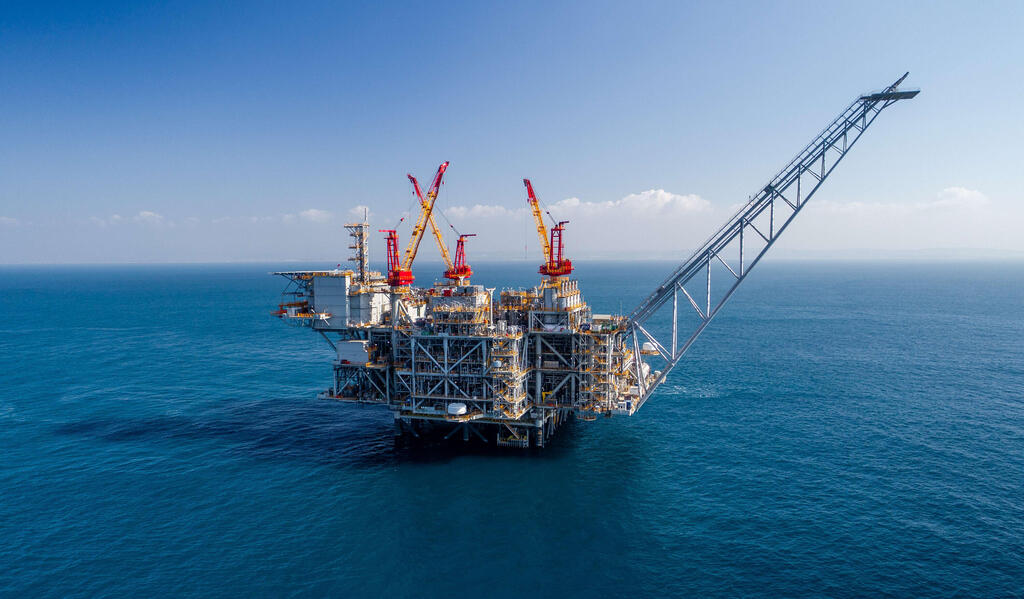
The Leviathan natural gas platform
(Photo: Albatross)
The Navy has completed the dismantling and infrastructure work and is now installing the new systems. Roy said tens of thousands of kilometers of cables and wiring had been replaced and that Lahav’s crew would undergo training similar to that given to Sa’ar 6 personnel. He said the ship would eventually be able to carry out many of the same operations as the newer vessels and support classified special missions.
Col. Barak, head of the combat systems department in the Navy’s equipment division, said the service gained the confidence to carry out the overhaul while integrating the Sa’ar 6 ships, which arrived from Germany without their Israeli combat systems. “We received the Sa’ar 6 vessels ‘naked’ and installed all their unique systems here,” he said. “We took everything we learned from the Sa’ar 6 and applied it to the Sa’ar 5, and it worked far beyond what we expected. We made fairly successful lemonade out of this lemon.”
The Navy is now considering similar overhauls for INS Hanit and INS Eilat. Plans have been submitted to IDF Chief of Staff Lt. Gen. Eyal Zamir and Navy commander Vice Adm. Eyal Harel, and satisfaction with the Lahav project could strengthen the case for extending the lives of the two remaining Sa’ar 5 ships. Hanit was struck by a Hezbollah C-802 shore-to-sea missile off Beirut during the 2006 Second Lebanon War, killing four service members and forcing the vessel to undergo extensive repairs.
Separately, Israel Shipyards is building five new Reshef-class warships to replace the Navy’s aging Sa’ar 4.5 vessels under a contract worth about 2.8 billion shekels ($824 million). The ships are expected to be delivered over the next four years, while the Navy and Defense Ministry consider ordering additional vessels. Until those ships arrive and further procurement decisions are made, the Navy is relying on costly overhauls of Cold War-era platforms to cover immediate operational gaps.