

In the two months following Hamas' October 7 attack, International Criminal Court (ICC) Chief Prosecutor Karim Khan faced mounting pressure to pursue charges against Israeli officials for their conduct of the war in Gaza.
Pro-Palestinian activists labeled him a "genocide enabler," and a bloc of developing nations within the ICC demanded action, leading to tensions between Khan and Israel's Western allies, including the United States.
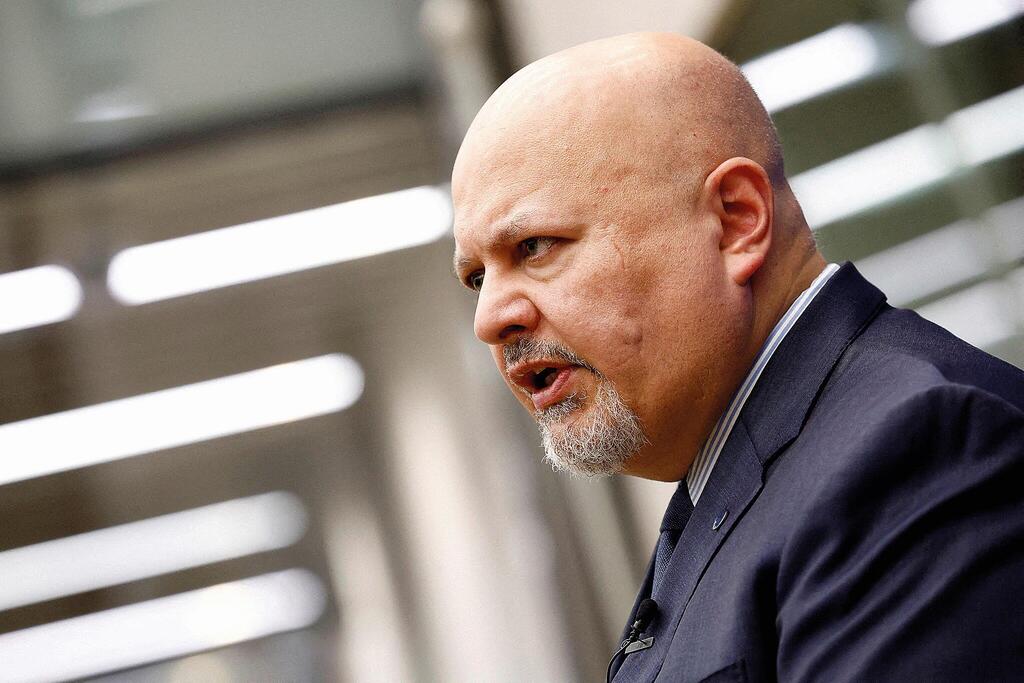
In early December 2023, during an ICC meeting at the United Nations headquarters in New York, Khan reportedly lashed out at his staff amid the criticism. According to ICC officials, a female assistant in her 30s, a Malaysian lawyer who frequently traveled with him, requested a meeting to urge him to calm down. Khan invited her to his suite at the Millennium Hilton hotel that evening.
There, she alleged in testimony to UN investigators, Khan initiated unwanted sexual contact, a pattern she claimed had persisted for months. She said that she attempted to leave the room multiple times, but he held her hand and eventually pulled her to the bed, removed her pants, and forced sexual intercourse.
“He always holds on to me and leads me to the bed,” she said in the testimony, which was reviewed by The Wall Street Journal. “It’s the feeling of being trapped.” She also noted that Khan never used a condom during these encounters.
The woman had worked at the ICC for six years before joining Khan's team in 2023. She claimed the harassment began earlier that year, in March, during a work trip to London when Khan allegedly tried to hold her hand. Beyond the New York incident, she reported that Khan sexually assaulted or harassed her in Colombia, Kinshasa (Democratic Republic of Congo), Chad, Paris and The Hague.
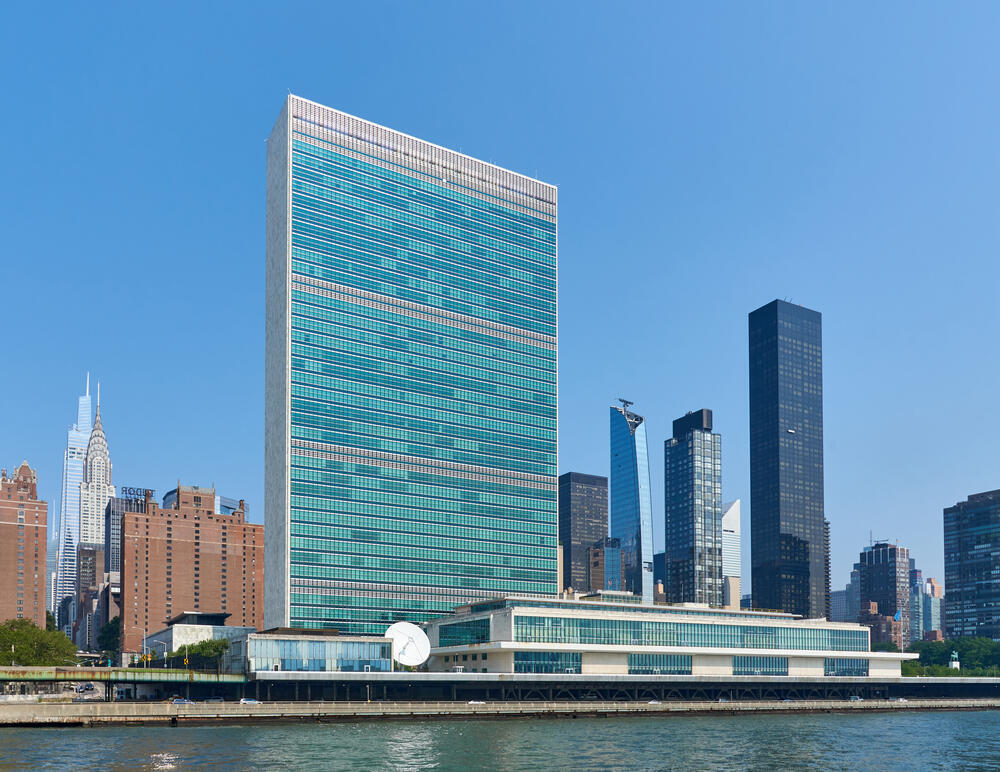
The UN headquarters in New York City
(Photo: John Penney / Shutterstock)
The alleged assaults continued after the New York incident. In April 2024, while in Caracas, Venezuela, Khan reportedly knocked on her hotel room door at 3 a.m. She pretended to be asleep. The next day, in Bogotá, Colombia, she avoided him, citing illness. Nevertheless, Khan allegedly entered her room, lay beside her on the bed and sexually assaulted her, according to her detailed testimony to UN investigators. “I did not move an inch,” she recounted.
On April 29, 2024, the complainant disclosed the alleged abuse in an emotional conversation with Thomas Lynch, a close American adviser to Khan, and another individual. Through tears, she said Khan had sexually abused her over several months and that she could no longer endure it.
A few days later, Lynch and two other aides confronted Khan with the allegations and told him they intended to report them to the court’s human resources office. According to individuals familiar with the conversation, Khan initially responded he would have to resign, but then added, “But then people will think I’m running away from Palestine.”
On May 5, 2024, the ICC’s internal investigation agency contacted the complainant, but she declined to cooperate and refused to confirm or deny the sexual assault allegations. According to testimonies, she did not want to disrupt the issuance of arrest warrants against Prime Minister Benjamin Netanyahu and then-defense minister Yoav Gallant.
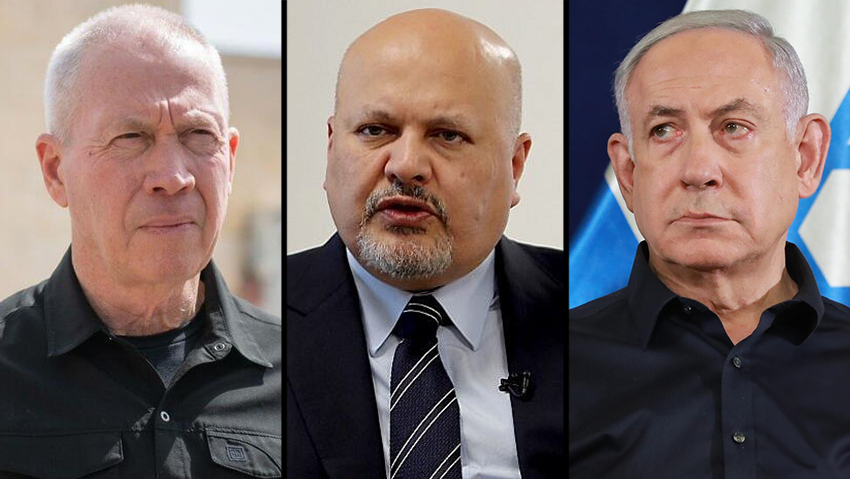
Yoav Gallant, Karim Khan and Benjamin Netanyahu
(Photo: Shahar Jurman, AFP, Dana Kopel)
According to the report, based on text messages she sent and her testimony to UN investigators, Khan approached her several times at the office after the allegations surfaced. Tearfully, he pleaded, “Tell me if I need to resign. Think about the Palestinian arrest warrants.”
In a phone call in October, he warned her of the consequences of continuing the investigation: “The casualties will unfortunately be three: You and your family, me and my family and the justice of the victims.” She testified that Khan and one of his advisers repeatedly pressured her to issue a statement denying the allegations.
Meanwhile, Khan’s wife, Shyamala Alagendra, also requested a meeting with Lynch. According to a statement Lynch gave ICC investigators, she hinted at a rumor that her husband was having an “inappropriate relationship” with a colleague.
According to the Journal, the woman told UN investigators that she confided in Khan about having suicidal thoughts. While he expressed concern, she said, he left her alone for several weeks—only to resume harassing her afterward.

IDF forces operating in the Gaza Strip
(Photo: IDF)
By August 2024, she became increasingly distressed under persistent pressure to deny anything had happened and eventually approached members of the ICC’s governing board. “I held on for as long as I could because I didn’t want to f— up the Palestinian arrest warrants,” according to her testimony.
In her statement, the woman listed several reasons for not reporting the alleged assaults earlier: fear of losing her job; concern she wouldn’t be able to pay for her mother’s cancer treatment; fear of retaliation from Khan; and her position as a Muslim who supported the investigation into Netanyahu, Gallant and Hamas, not wanting to jeopardize the arrest warrants.
As Khan's office weighed issuing arrest warrants, he was planning a critical visit to Israel and the Gaza Strip. Senior U.S. officials, including then-secretary of state Antony Blinken and national security adviser Jake Sullivan, urged Israel to allow Khan entry, viewing the trip as a key opportunity to persuade him that arrest warrants were not the right course of action.
Khan told Blinken that Israel’s judicial system had “blind spots,” particularly regarding whether the country was deliberately obstructing humanitarian aid. Blinken responded that the U.S. was pressuring Israel to allow aid in and argued that arrest warrants would not help the situation. He also warned Khan that such warrants could hinder efforts to reach a deal for the release of hostages. What was not known at the time was that during his conversation with Blinken, Khan had already been informed of sexual assault allegations against him.
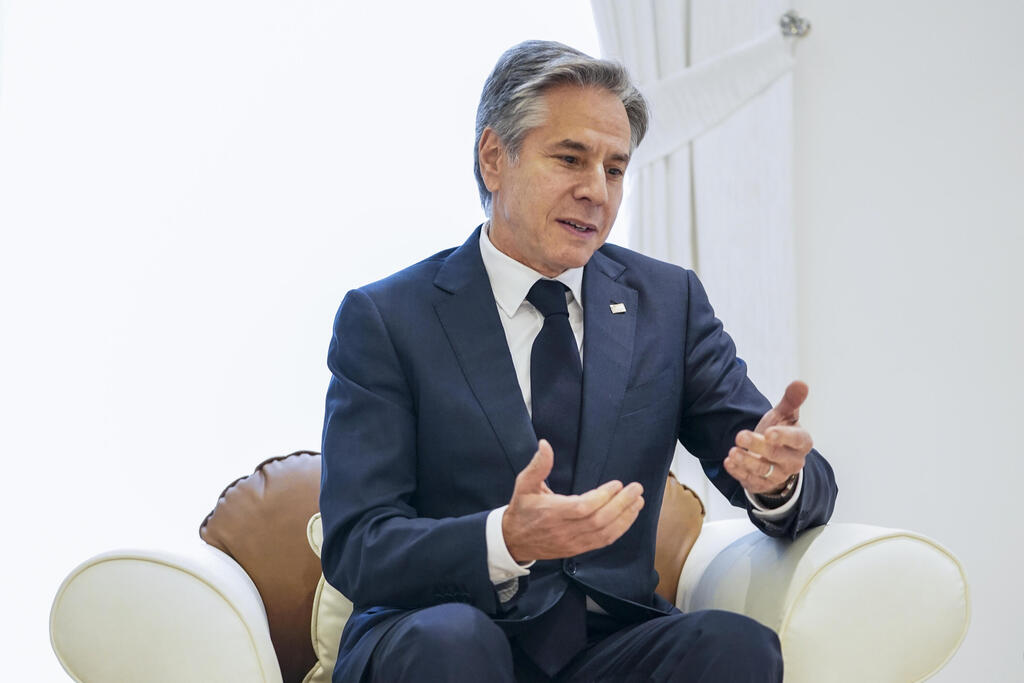
Antony Blinken
(Photo: Nathan Howard/Pool Photo via AP)
Just weeks after learning that an internal investigation had been launched, Khan filed applications for arrest warrants against Netanyahu and Gallant, citing alleged war crimes and crimes against humanity. The move drew sharp criticism from the United States and Israel.
Khan abruptly canceled his planned visit to Israel and Gaza one day before the warrants were announced. The decision marked a significant departure from precedent: it was the first time the court had sought the arrest of the leader of a democratic Western-aligned country.
Khan, through his lawyers, has categorically denied all allegations of sexual misconduct. “It is categorically untrue that he has engaged in sexual misconduct of any kind,” his legal team told the Journal.
Khan has claimed the accusations are part of a broader attempt to undermine the court and denied any link between the warrants for Netanyahu and Gallant and the sexual assault allegations. Khan’s wife has denied threatening Lynch, and his attorneys have argued that the ICC’s closure of the internal probe without pressing charges demonstrates that the two matters are unrelated.