

Iran’s Supreme Leader Ayatollah Mojtaba Khamenei has rejected proposals to reduce tensions or reach a ceasefire with the United States, a senior Iranian official said Tuesday.
The proposals were conveyed to Tehran by two intermediary countries, according to the official, who spoke on condition of anonymity.
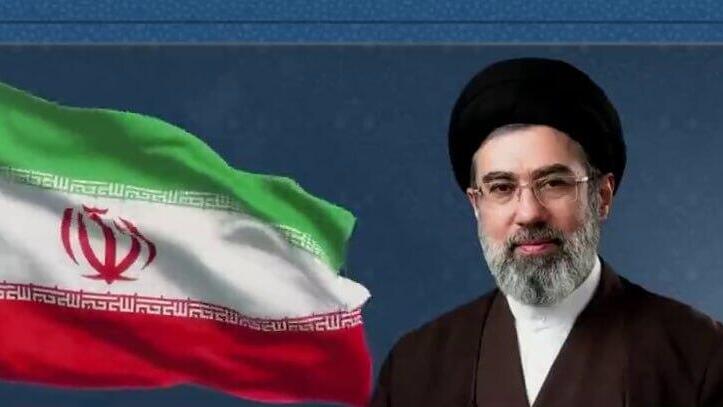
Khamenei took a hardline stance in his first foreign policy session, calling for revenge against the United States and Israel. The official described his position as “very tough and serious,” without clarifying whether he attended the session in person.
The Strait of Hormuz remains largely closed, as U.S. allies have declined a request from President Donald Trump to help reopen the critical waterway. The disruption has pushed up energy prices and raised fears of global inflation.
According to the official, Khamenei said it was not “the right time for peace until the United States and Israel are brought to their knees, accept defeat, and pay compensation.”
Three sources told Reuters on March 14 that the Trump administration had rejected efforts by Middle Eastern allies to launch diplomatic negotiations aimed at ending the war.
Meanwhile, the IDF said Tuesday that it had killed senior Iranian official Ali Larijani in a strike on a Tehran safe house, with Defense Minister Israel Katz confirming his death. The military also said it had eliminated Gholamreza Soleimani, commander of Iran’s Basij force, and his deputy Qasim Qureshi, in a separate strike.
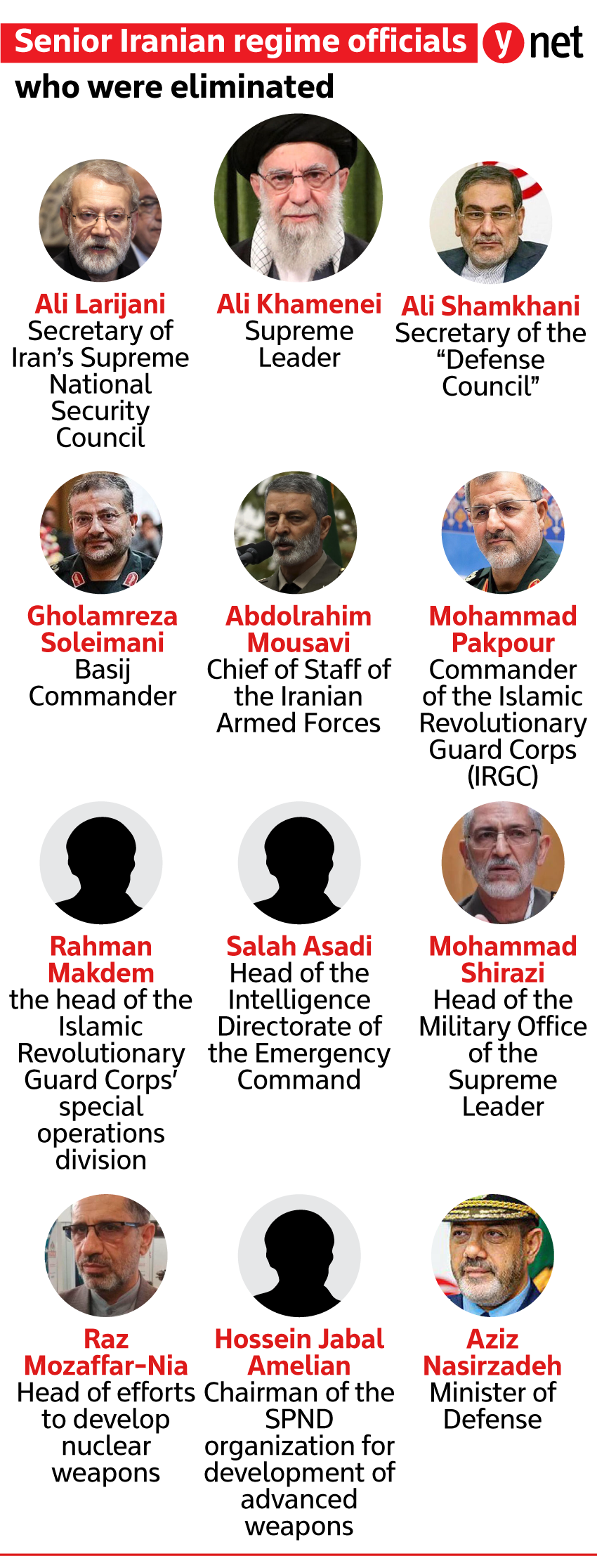
Larijani, secretary of Iran’s Supreme National Security Council, was targeted in overnight strikes. There was no immediate confirmation from Iranian authorities.
According to the IDF, the Israeli Air Force carried out a separate strike on Monday in Tehran based on intelligence, killing Soleimani, who had led the Basij unit for the past six years.
The Basij forces are part of Iran’s internal security apparatus and have played a central role in suppressing protests. During periods of unrest, including in recent waves of demonstrations, forces under Soleimani’s command led repression operations involving arrests and the use of force against civilian demonstrators.