

Berlin has been engulfed in political turmoil since the Sept. 20 local elections. Although the radical left-wing Die Linke party won the election, all its attempts to form a left-wing coalition with the Greens and the Social Democrats have stalled amid revelations of antisemitism within the party and ties between many of its members and radical Islamist figures and leaders of Arab crime families in the city.
A new report published Thursday morning by the German newsmagazine Der Spiegel has exposed another dimension of the relationship between Germany's radical left and extremist Islam. According to the report, Elif Eralp, Die Linke's leading candidate for Berlin governing mayor, openly acknowledged that she and her family live in fear of Hamas supporters within her party.
The controversy began with a mistake rooted in an outdated and questionable practice in German journalism, under which interviewees insist on reviewing and revising their quotations before publication.
Eralp, who had been interviewed by Der Spiegel, also asked to review her quotes before they appeared in print. After receiving them, she returned a revised version to the magazine.
But Eralp and her aides failed to notice that the document they sent back to Der Spiegel still contained their internal correspondence discussing the changes they wanted to make. On Thursday morning, that correspondence became the magazine's lead story and a major issue on Germany's political agenda.
In the exchanges, Eralp acknowledged that she and her family were personally afraid of becoming entangled with Hamas supporters associated with the party. She even tried to remove a reference to one of them, citing police advice not to publicly identify specific crime families in Berlin.
"My husband and I don't want to name specific people. We're both afraid of these people," she wrote.
Eralp's spokeswoman explained in the correspondence that they could not delete part of the interviewer's question, only portions of Eralp's answers.
Eralp responded in what could be interpreted as considerable alarm:
"But what am I supposed to do now? It was a mistake to agree to this interview in the first place. Until now, we were talking about people involved in organized crime. Now we're talking about people with connections to Hamas. I can't put myself and my family at risk for Der Spiegel. What do we do now? Cancel the entire interview?"
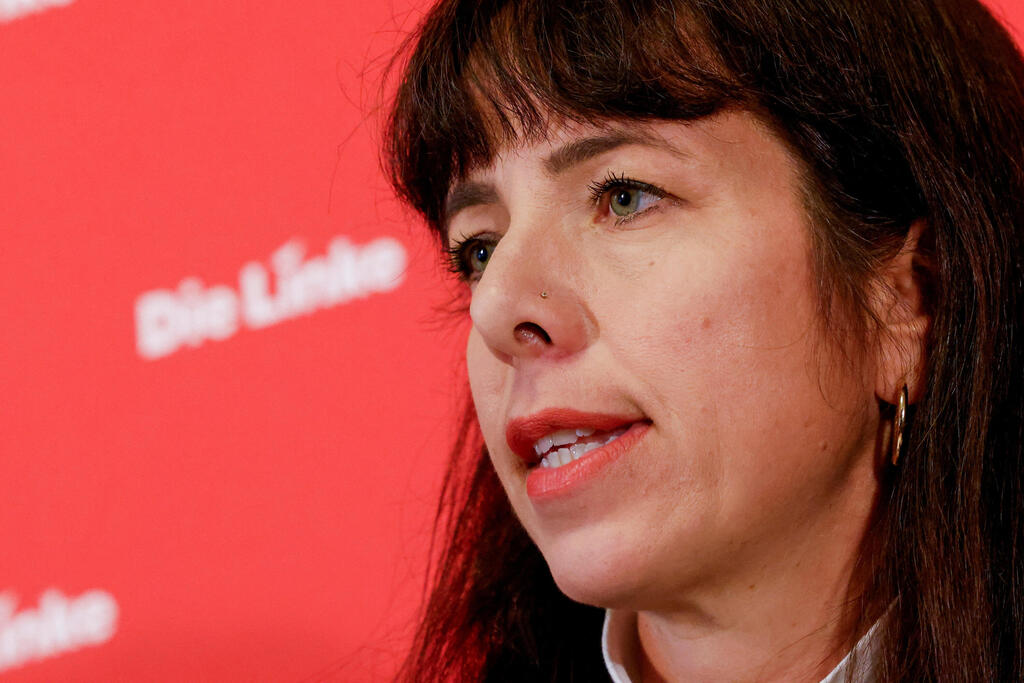
Elif Eralp: 'My husband and I don't want to name specific people. We're both afraid'
(Photo: REUTERS/Axel Schmidt)
The Berlin Die Linke leader continued:
"Until now, when incidents came up, including the one involving Ibrahim Ibrahim (a member of an umbrella organization associated with Hamas and the Popular Front for the Liberation of Palestine who appeared at the party's election victory celebration in Neukölln), I condemned them in general terms. But now we're talking about condemning an individual by name."
Even the center-left joins the criticism: 'Supporters of terrorism and antisemitism are deeply entrenched in the party'
Der Spiegel's revelations triggered an uproar across Germany's political establishment.
"Berlin needs a mayor who can stand up to extremists and doesn't give the impression that they are dictating what she can say before she has even been elected," said Christopher Förster, a conservative member of Berlin's state parliament. "If she can't do that, she cannot be elected to the position."
Another member of the Berlin parliament, Burkard Dregger, said: "Anyone who gets involved with Hamas criminals and their supporters in Berlin should not be surprised when they now demand payment for their support during the campaign."
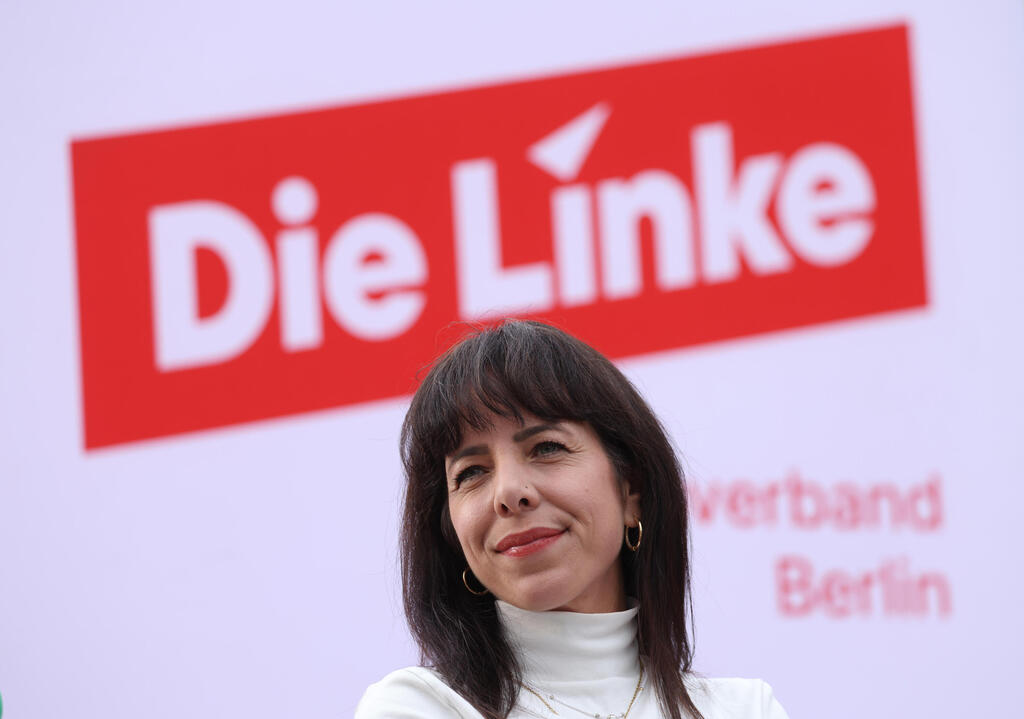
Eralp faces criticism across Germany's political establishment: 'The warning signs can no longer be ignored'
(Photo: Sean Gallup/Getty Images)
Kristin Brinker, leader of the far-right Alternative for Germany (AfD) parliamentary group in Berlin, also criticized Eralp.
"If even the most senior politician no longer feels safe, how are ordinary Berliners supposed to feel? Especially considering that they don't have personal security guards to protect them," she said.
Stefan Evers, the conservative candidate for governing mayor, added in a statement to the German newspaper Bild:
"Thursday's revelations deepen the serious concerns about a left-wing government in Berlin. How is Elif Eralp supposed to protect the safety of millions of residents as mayor if she herself is afraid of the Islamist connections within her own party? The warning signs can no longer be ignored, and it is not too late to act."
Michael Müller, a former governing mayor of Berlin, said Eralp's remarks "mean that Berlin's mayor would be vulnerable to blackmail. We need to acknowledge that clearly."
Criticism also came from the left side of the political spectrum.
Martin Hikel, the center-left Social Democratic district mayor of Berlin's Neukölln borough, said: "When someone allows themselves to be constrained in this way, it only shows how deeply these forces, which glorify terrorism and antisemitism, are entrenched in the Left Party."
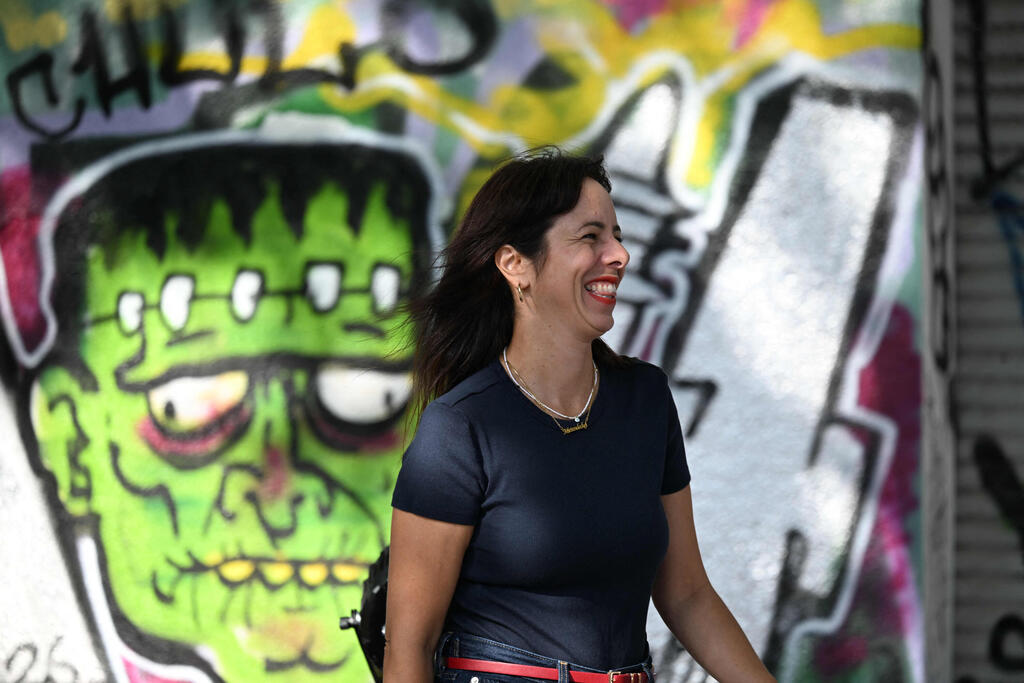
Eralp: 'It's only natural to worry about your family'
(Photo: Ralf Hirschberger / AFP)
At midday Thursday, during the inaugural session of the city legislature, Eralp responded to the revelations and sought to contain the damage.
"I won't let anyone intimidate me. I've made that clear. It's only natural to worry about your family," she said.
Daughter of Turkish immigrants draws support from pro-Gaza voters
Eralp, 45, is the daughter of Turkish immigrants who fled their country because of political persecution. She studied law and has worked extensively on immigration, discrimination, racism, asylum seekers and equal rights, including during her time at the United Nations.
Her success story as a member of a minority group and the progressive policies she advocates led some to dub her "Berlin's Mamdani" even before the September elections, when she emerged as Die Linke's candidate for governing mayor.
One of her campaign slogans played directly on that comparison: "From New York to Berlin, the left is back."
However, as in Mamdani's case in the United States, antisemitic and anti-Israel sentiment within Die Linke has intensified considerably under Eralp, particularly among the party's younger members.
Eralp has tried unsuccessfully to contain the major controversies sparked by the behavior of some party members. But in Berlin in 2026, displays of antisemitism do not appear to be driving voters away.

Eralp and her supporters: She posed for campaign photographs with activists who want to 'liberate Tel Aviv'
(Photo: Sean Gallup/Getty Images)
Eralp has to tread carefully on issues involving the Israeli-Palestinian conflict and the war in Gaza. Her party has taken a clear position on the issue, formally adopting in June the claim that Israel is committing genocide.
At the same time, Eralp has spoken out against extremist incidents, including a party gathering in Neukölln that ended with participants chanting "Death to the IDF." She has also pushed for an internal investigative committee to prevent the party from being tainted by antisemitism.
On the other hand, Eralp cannot afford to abandon the party's unequivocal support for Gaza, given the importance of Muslim voters and young supporters who helped propel Die Linke upward in the polls, largely because of its anti-Israel policies.
This summer, Eralp found herself posing for campaign photographs with activists who declared that "the Palestinian liberation movement will not end until Tel Aviv is in Palestinian hands."
Earlier this month, additional details emerged about Eralp, revealing that until just a year ago, she had been a member of Rote Hilfe (Red Aid), an organization whose motto is "The ends justify the means."
The organization provides legal and financial support to people convicted of crimes, provided their actions were motivated by left-wing ideology.
Many Germans had already raised concerns about the party's ties to Arab criminal clans and its desire to reduce police funding and presence.
Now, many voters are questioning whether Eralp's past involvement with an organization that supports violence or turning a blind eye to the law in pursuit of its goals could prevent her from becoming Berlin's democratic, law-abiding leader.