

Amid rising nationalist crime in the West Bank and the expansion of illegal outposts, Central Command chief Maj. Gen. Avi Bluth raised the issue of coalition support for violations of the law during Wednesday night’s Cabinet meeting.
Bluth presented photos of Diaspora Affairs Minister Amichai Chikli of the Likud Party and Knesset member Limor Son Har-Melech of the Otzma Yehudit Party (Jewish Power) visiting outpost activists, and told Prime Minister Benjamin Netanyahu and Cabinet members: “They come to strengthen these youths and give legitimacy to their actions.”
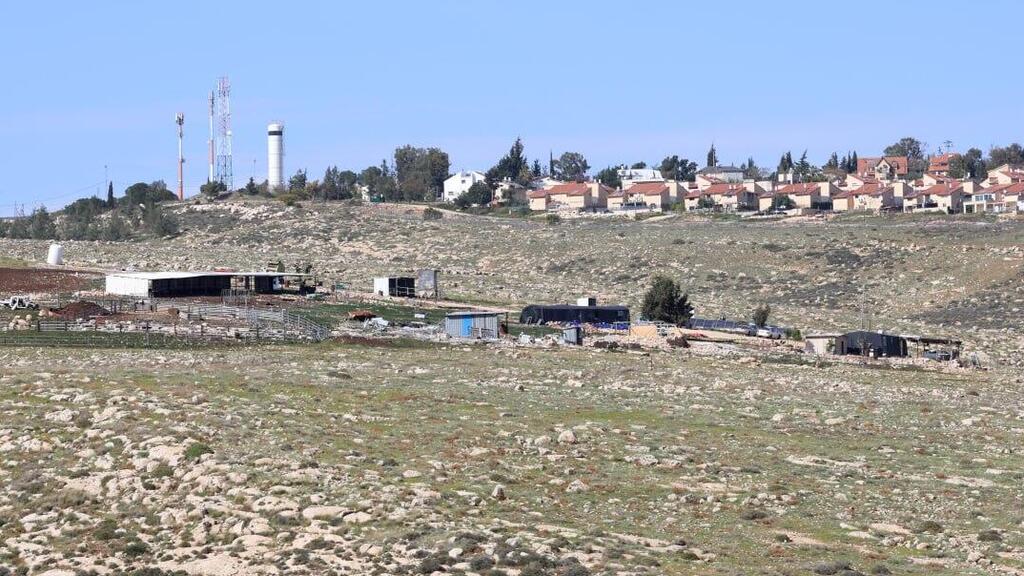
Chikli and Son Har-Melech published accounts of their visits on their official X accounts. Chikli wrote: “Today we held a tour of farms in Binyamin — it is time to wean ourselves off Oslo terminology. We need to move forward in places where there is possibility and feasibility — such as commanding lands — we need to sit there firmly.”
Son Har-Melech wrote: “I came for a solidarity visit to the new point, Kochav Yehuda, which connects in a strategic location between the communities of Efrat and Tekoa in Gush Etzion. The hill was established by the Nachala movement and heroes from HaEitam Farm, and is named after Yehuda Sherman, may God avenge his blood, who refused to accept the distinction between Areas A, B and C and the Oslo concept.”
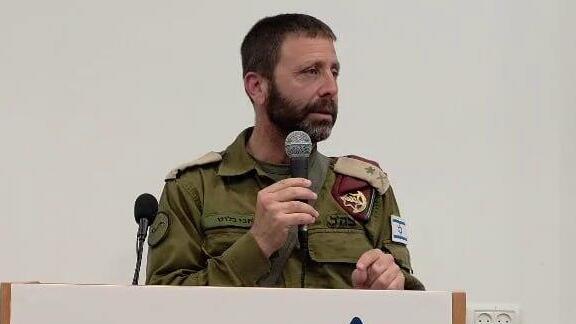
Central Command chief Maj. Gen. Avi Bluth raised the issue of coalition support for violations of the law at Wednesday's Cabinet meeting
(Photo: 'Pro-Settlement - Against Violence' organization)
Netanyahu responded to Bluth by saying he opposes settlement development in Areas A and B. “We are getting sanctions from the Europeans because of these things,” he said. “We are expanding the settlements, but why in Areas A and B? I understand the ideological sentiment, but I agree with Avi.”
National Security Minister Itamar Ben-Gvir argued that “the sanctions are not because of that — but because they hate Israel.” He added: “They imposed sanctions on us because we defended ourselves and launched an operation in Gaza, then they imposed sanctions because we defended ourselves in Lebanon. The Europeans look for any reason to impose sanctions or condemn us. They even condemned the death penalty bill for terrorists.”
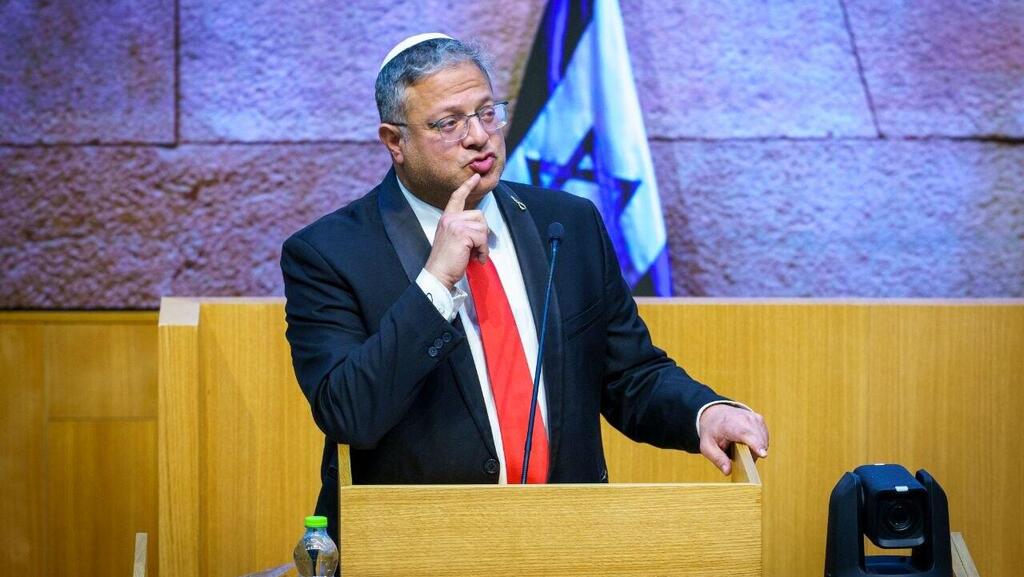
Itamar Ben-Ben Gvir: 'It is time we stopped taking (foreign governments) into consideration
(Photo: Shilo Shalom)
Ben-Gvir also argued that Israel should not take foreign countries’ views into account. “It is time we stopped taking them into consideration, and in any case, MK Son Har-Melech and Minister Chikli go to the outposts to express support — there is nothing truly wrong with that.”
During the meeting, Transportation Minster Miri Regev asked when Cabinet members would be allowed to tour Gaza and southern Lebanon. Defense Minister Israel Katz replied that if the prime minister approved the tours, he had no objection. Regev then jabbed that Katz was “following the path” of his predecessor, Yoav Gallant. Katz responded: “If I were following Gallant’s path, I would not be coming to these meetings.”
Finance Minister Bezalel Smotrich previously said, “We will erase the lines and definitions and settle our land,” a statement that deeply troubled IDF officials. Some in the military fear the discourse will continue escalating over erasing and blurring the lines between Areas A, B and C. Those officials believe politicians’ calls are leading the youths “to break through the boundaries.”
Knesset member Limor Son Har-Melech of the Otzma Yehudit Party (Jewish Power) at the Kochav Yehuda outpost


The main concern is that those young people will move to settle, without coordination, in Areas A and B, where significant friction could erupt. Last week, Bluth said at a special conference in Gush Etzion: “Friction incidents can arise. First of all, the surface area is much larger in Judea and Samaria, and the order of forces has not really changed. Day in and day out, we work very hard. The same reservists on their fifth and sixth call-ups are removing those outposts from Areas A and B. Not all of them are there to create friction — some act out of a belief that they want to cancel Oslo and provoke the system, or for all kinds of reasons — but naturally, it creates friction.”
On Thursday, 12 European countries and the European Union issued a joint statement following what they called “the destruction of a school in the Jordan Valley by settlers.” Sweden, Belgium, Finland, Germany, the Netherlands, France, Canada, Ireland, Denmark, Britain, Italy, Spain and the EU said their representatives visited Hamamat al-Maleh in the Jordan Valley three days earlier, “following the destruction of a donor-funded school by settlers on April 21.”
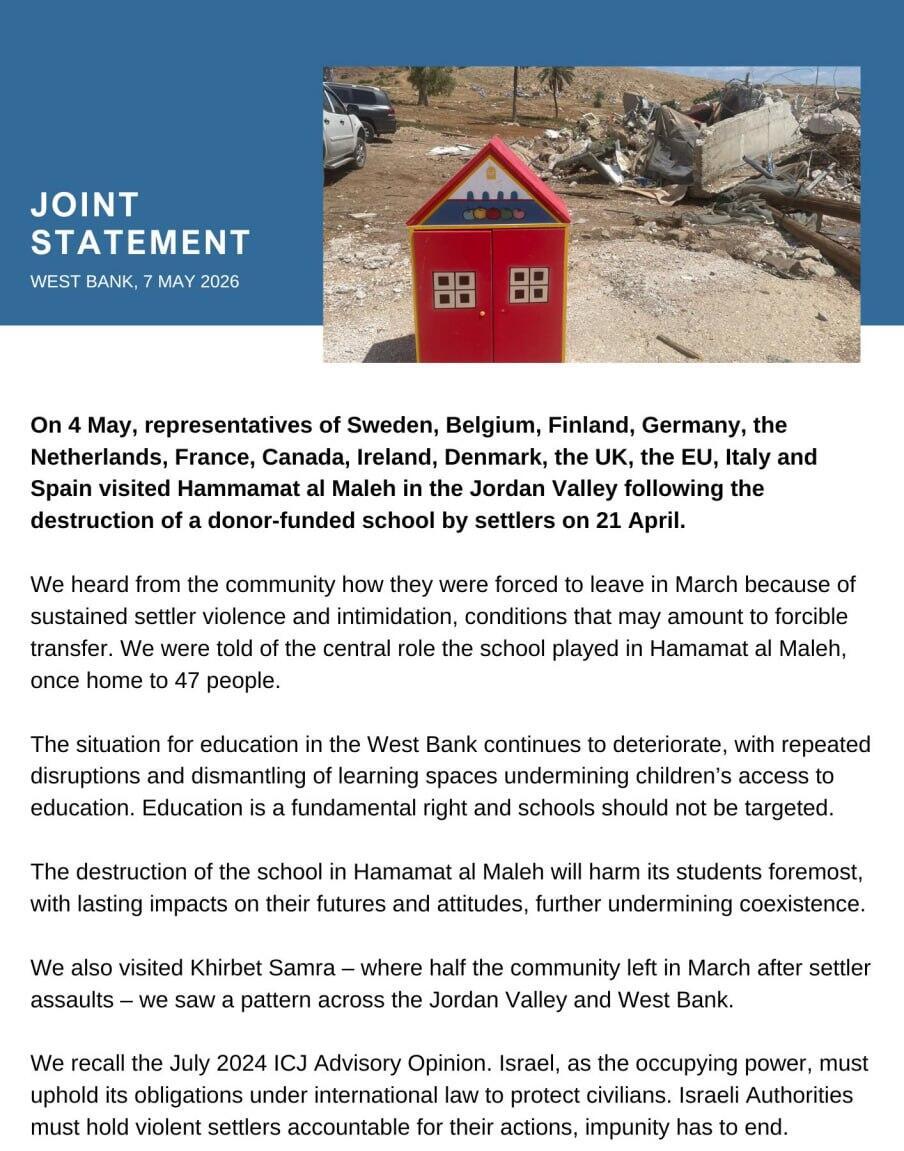
Joint statement by 12 countries and the EU on the "destruction of a donor-funded school by settlers"
“We heard from the community how they were forced to leave in March because of sustained settler violence and intimidation, conditions that may amount to forcible transfer,” the joint statement said. “The situation for education in the West Bank continues to deteriorate, with repeated disruptions and dismantling of learning spaces undermining children’s access to education. Education is a basic right, and schools should not be targeted.”
“The destruction of the school in Hamamat al-Maleh will harm its students foremost, with lasting impacts on their futures and attitudes, further undermining coexistence,” the statement added. “We also visited Khirbet Samra - where half the community left in March after settler assaults - we saw a pattern across the Jordan Valley and the West Bank. We recall the July 2024 ICJ Advisory Opinion. Israel, as the occupying power, must uphold its obligations under international law to protect civilians. Israeli authorities must hold violent settlers accountable for their actions, impunity has to end.”