


A new war of words erupted Wednesday between Prime Minister Benjamin Netanyahu and Turkish President Recep Tayyip Erdogan after Erdogan accused Israel of threatening Turkey through its military operations in Syria and Lebanon.
Speaking Wednesday, Erdogan said Israeli strikes in neighboring countries had reached a point where they “also threaten Turkey” and warned against what he described as Israeli “schemes” in the Mediterranean.
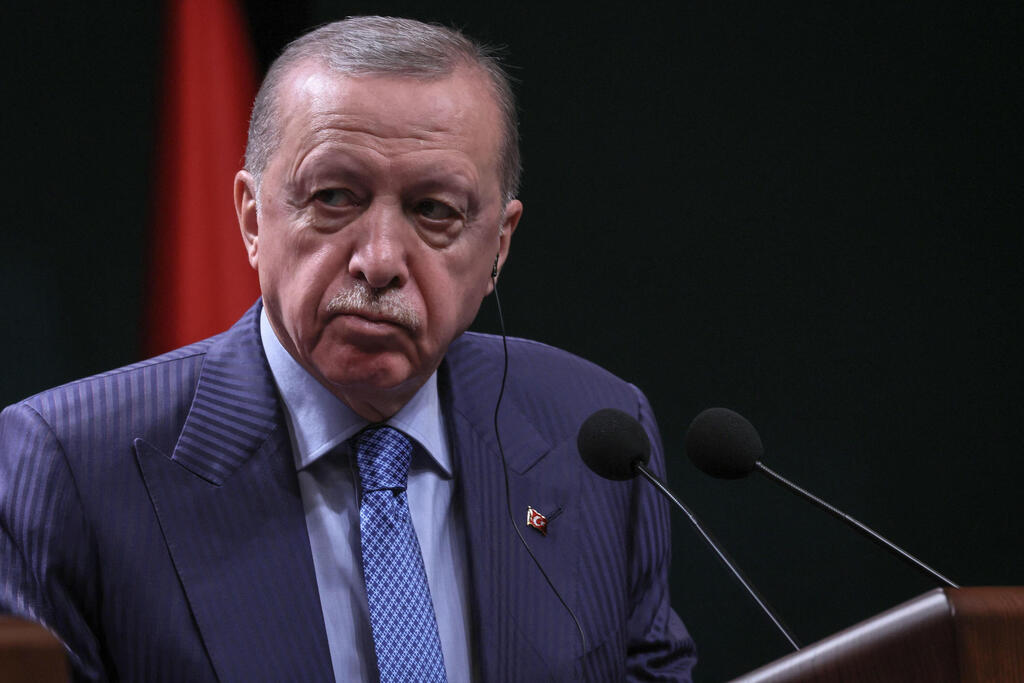
“We see malicious initiatives led by Israel in the Mediterranean as well, and nobody should pursue adventures there,” Erdogan said.
Netanyahu responded sharply, calling Erdogan “an antisemitic dictator” and accusing him of supporting Hamas, repressing political opponents and carrying out “genocide against the Kurds.”
“The antisemitic dictator Erdogan, who supports the Hamas terrorist organization, oppresses his own people and imprisons political rivals, is the last person who can preach morality to the State of Israel,” Netanyahu said.
Turkey's Foreign Ministry then issued its own strongly worded statement, accusing Netanyahu of spreading falsehoods and saying Turkish authorities would continue efforts to hold Israeli leaders accountable in international courts.
The latest exchange comes despite ongoing security contacts between the two countries and follows several months of heightened tensions over the war in Gaza, Syria and the broader balance of power in the eastern Mediterranean.
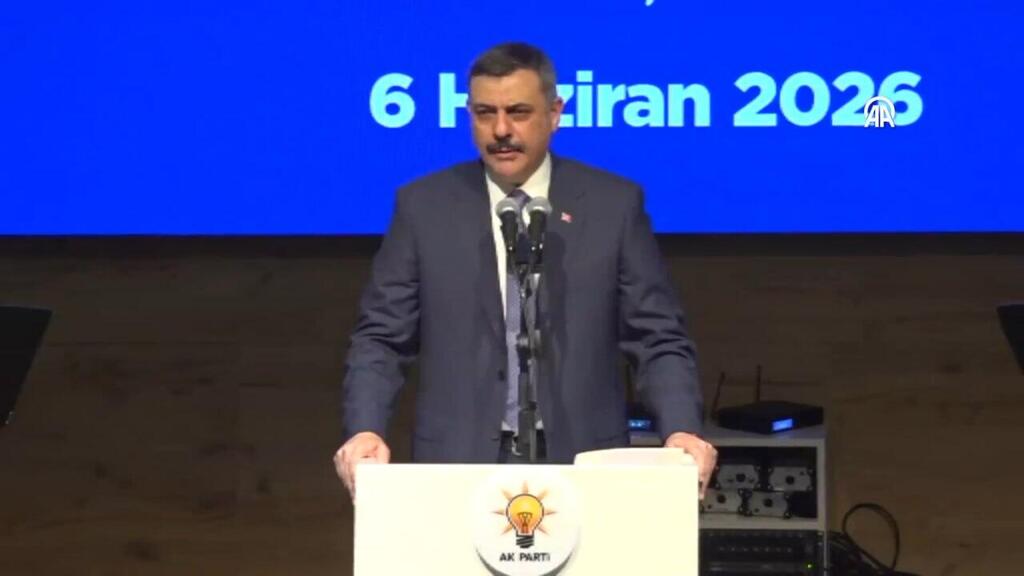
Turkish Interior Minister Mustafa Ciftci
Israeli officials said they were not surprised by Erdogan's latest comments, which came shortly after his interior minister, Mustafa Ciftci, told members of Turkey's ruling party that Turkey would one day “take control of Jerusalem,” remarks that critics linked to Erdogan's neo-Ottoman vision of restoring Turkish influence across former Ottoman territories.
The renewed tensions emerged only days after Israel and Turkey quietly coordinated their handling of a Gaza-bound aid flotilla. Turkish authorities reportedly restrained activists linked to the IHH organization, which played a central role in the 2010 Mavi Marmara flotilla, to prevent violence, while Israel allowed participants to be flown back to Istanbul after the vessel was intercepted. Officials familiar with the matter said the coordination was encouraged by the United States to avoid a direct confrontation.
Erdogan seems to be looking to capitalize on what Turkish officials perceive as strains between Netanyahu and U.S. President Donald Trump. Turkish media interpreted reports of tensions between the two leaders as evidence that Washington's support for Netanyahu has weakened.
Asked about Erdogan's criticism and the possibility of a military confrontation between Israel and Turkey, Trump dismissed the prospect and praised the Turkish president.
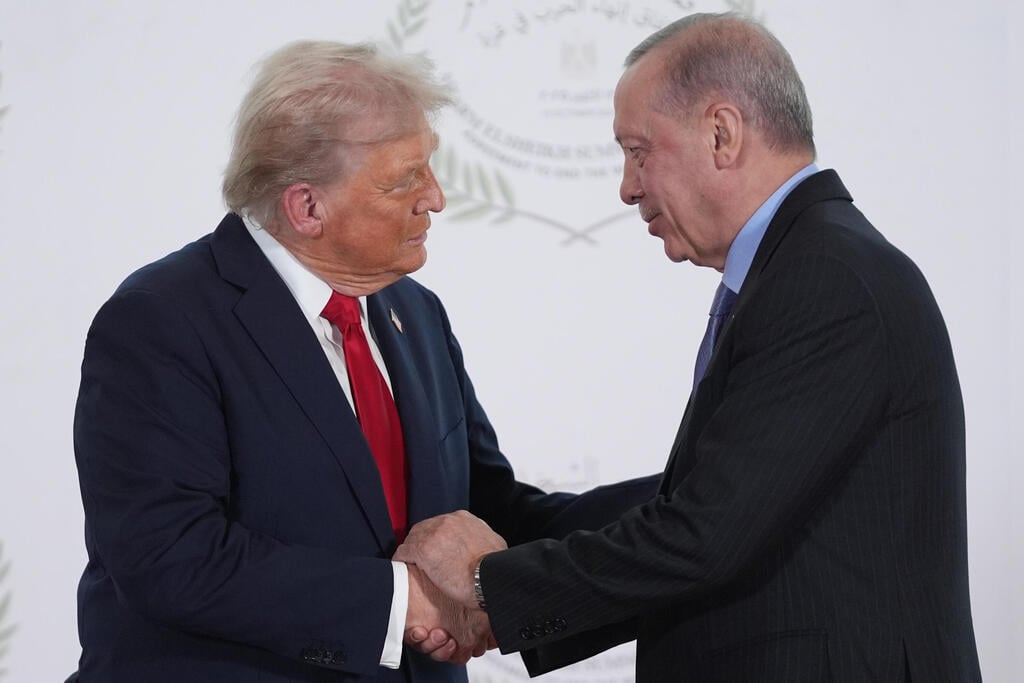
US President Donald Trump and Erdogan
(Photo: Evan Vucci, Pool/AP)
“He's a very good friend of mine,” Trump said. “He's a great leader, a very strong leader. I don't think that will happen with Turkey, not while I'm president, because he respects me and I respect him.”
At the same time, Ankara has voiced growing concerns about expanding cooperation between Israel, Greece and Cyprus. Cyprus accused Turkey this week of interfering with military aircraft carrying European defense ministers to meetings on the island and said it planned to file formal complaints. The incidents occurred shortly before Cyprus and France signed a defense cooperation agreement regulating the presence of French military personnel on the island.
Israeli assessments suggest Erdogan is also attempting to strengthen Turkey's standing in the Arab world following the weakening of Iran after its recent conflict with Israel and the United States. By intensifying criticism of Israel, analysts say, Erdogan may be seeking to position Turkey as a rival center of influence to Tehran.
Despite the rhetoric, Israeli officials and analysts say a direct military confrontation between Israel and Turkey remains unlikely. Security communication channels between the countries remain open, particularly on defense matters, and previous mediation efforts involving the United States and Azerbaijan have helped prevent tensions in Syria from escalating.
Officials note that a complete rupture in relations would also limit Turkey's influence in the Palestinian territories, giving Ankara incentives to preserve at least some level of dialogue with Israel.