

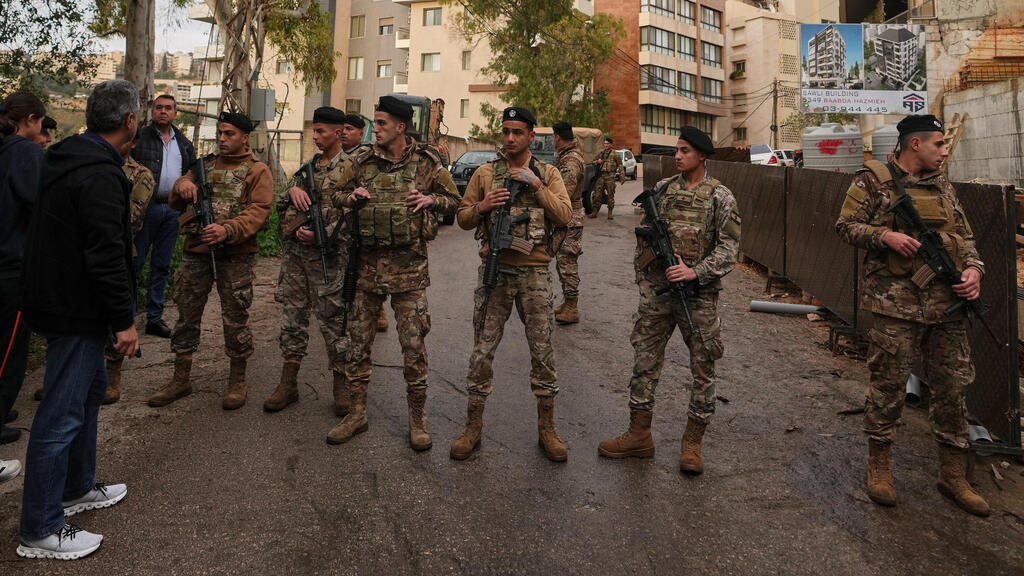
Lebanon’s army is ready to gradually assume control of towns and villages from which Israeli forces withdraw, a Lebanese diplomatic source familiar with the negotiations said as Israel and Lebanon opened a new round of US-mediated talks in Rome on Tuesday.
“The Lebanese army is ready to gradually take control of the localities from which the Israeli army withdraws,” the source said.
The two countries, which have formally remained at war for decades, reached a framework agreement on June 26 aimed at achieving a “lasting peace” following five rounds of negotiations in Washington.
Implementation of the agreement is expected to begin with an Israeli withdrawal from designated “pilot zones” in southern Lebanon. Hezbollah, the Iranian-backed terrorist organization that maintains significant military power in Lebanon, has rejected the agreement.
“The Lebanese delegation has been instructed to demand the immediate start of the withdrawal of Israeli forces from two pilot zones before any further discussion,” the Lebanese presidency said Monday evening.
Israel has indicated that it is prepared to withdraw gradually but wants assurances that Hezbollah will not enter the evacuated areas and that the Lebanese army is capable of maintaining them as demilitarized zones.
“Israel is willing to withdraw gradually, provided that Hezbollah is not present in the evacuated areas and that the Lebanese army has the necessary capabilities to maintain these demilitarized sectors and prevent any return of the movement,” said Orna Mizrahi, a Lebanon specialist at Israel’s Institute for National Security Studies.
An American military delegation began talks with the Lebanese army in Beirut on Saturday over the practical arrangements for implementing an Israeli withdrawal from one of the pilot zones.
Hopes for breakthrough remain low
The framework agreement was reached after a fragile ceasefire took effect in the latest war between Israel and Hezbollah. The Iranian-backed group drew Lebanon into the conflict on March 2 by launching attacks on Israel in support of Iran.
The IDF has since continued limited strikes in southern Lebanon, while Lebanese state media has reported demolitions in villages still held by Israeli forces.
Lebanese authorities say Israeli strikes have killed more than 4,300 people since the conflict began. During the same period, the IDF has reported the deaths of 38 soldiers and one civilian contractor in Lebanon.
“The chances of a breakthrough in Rome are quite limited,” said Karim Bitar, a lecturer at Sciences Po Paris. “What we might see is more of an opportunity to show that the process is still in place, that there are ongoing negotiations despite the opposition and obstacles that are beginning to appear.”
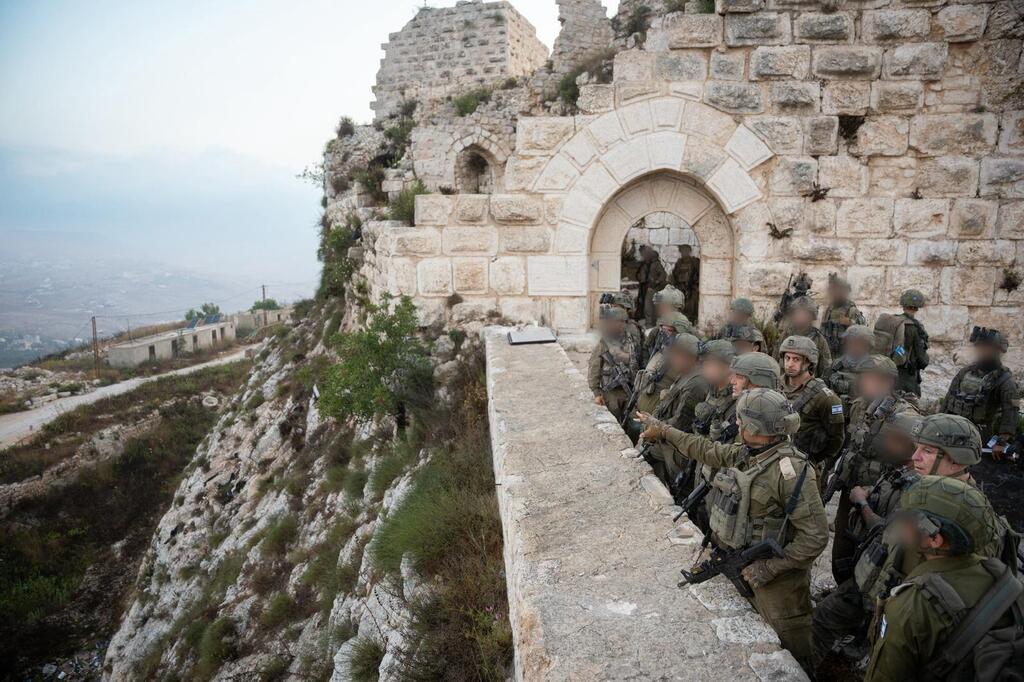
IDF chief Zamir touring Beaufort
(Photo: IDF)
The talks are also taking place against the backdrop of renewed hostilities between the United States and Iran, raising concern that the regional escalation could undermine the negotiations.
Iran had demanded a ceasefire in Lebanon before concluding a memorandum of understanding with Washington on June 17. That agreement now appears to be unraveling following unprecedented exchanges of strikes between the United States and Iran since a regional ceasefire took effect in early April.
The United States launched its third consecutive night of strikes against Iran on Monday, ahead of the planned reimposition Tuesday of a naval blockade on Iranian ports.
“The Iranians want to establish a link between the two cases, while we want to separate them,” Mizrahi said.
“Whenever they have the opportunity, they will try to derail what is happening in Lebanon,” she added, though she said Tehran’s immediate priorities appear to be the Strait of Hormuz and its nuclear program.
Bitar said the risk that the regional crisis could trigger renewed violence in Lebanon “is obviously not negligible.”
“But I think Iran today will think twice before asking Hezbollah to launch new strikes against Israel,” he said.
According to Bitar, Tehran is likely to preserve Hezbollah as a long-term deterrent rather than use it immediately to open another front against Israel.