



Egypt on Wednesday has firmly opposed Israel’s proposed “humanitarian city” plan in Gaza’s Rafah, estimated to cost between $10 billion and $15 billion, warning that it violates the peace treaty’s security arrangements along the border.
Diplomatic sources in Cairo, quoted by Lebanon’s Hezbollah-aligned Al-Akhbar outlet, said that the project threatens agreed-upon border security protocols. Egypt has conveyed its objections to both the United States and Israel, expressing concerns about the plan’s broader implications.
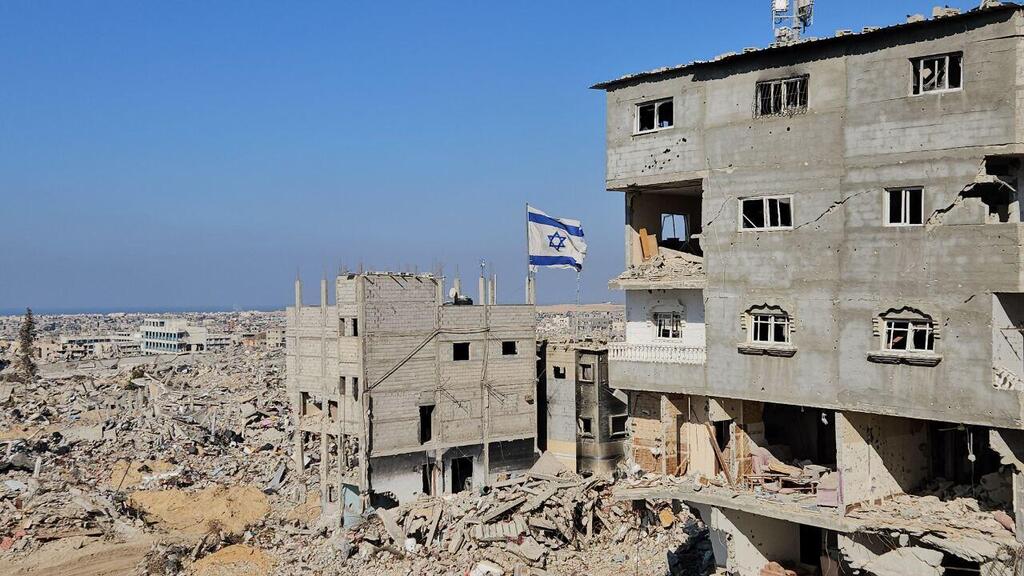
According to the sources, cited in an Al-Akhbar article titled “Rafah’s ghetto worries Cairo, population engineering as preparation for displacement,” Egypt categorically rejected the initiative.
The sources cautioned that the project could prompt Cairo to reassess regional agreements, signaling that Egypt would not remain passive if Israel alters the political or security status quo. They stressed that all options, including non-diplomatic measures, are under consideration.
Get the Ynetnews app on your smartphone: Google Play: https://bit.ly/4eJ37pE | Apple App Store: https://bit.ly/3ZL7iNv
Egyptian security officials highlighted a dual threat posed by the proposed humanitarian city. Its location near the border increases the risk of a mass exodus toward Egypt, while also creating a volatile security situation in the Sinai Peninsula. This could lead to potential infiltrations or sustained tensions that would be difficult to manage over time, the officials warned.
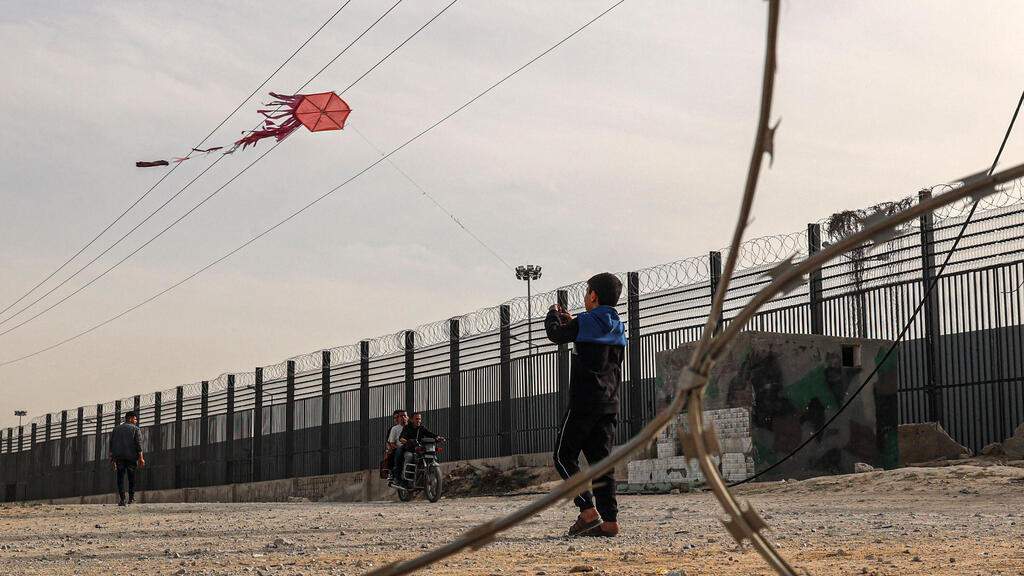
Egypt-Gaza border fence
(Photo: SAID KHATIB / AFP)
Earlier this week, Egypt voiced its opposition to Israel’s Rafah plans. A source told Qatar’s Al-Araby Al-Jadeed that Egypt’s security delegation raised reservations about Israel’s military redeployment in Gaza, particularly the proposal to establish a “tent city” in Rafah. The source described the plan as creating a “humanitarian time bomb” at the Egypt-Gaza border, posing a direct threat to Cairo’s national security.
In a separate report by the Qatari outlet, an Egyptian source familiar with the negotiations revealed that Israel responded to Cairo’s objections by proposing that Egypt oversee or co-manage the border-adjacent area with the Palestinian Authority, which would handle daily operations for Palestinians in the region.
However, the source stressed that Egypt’s only acceptable stance is to preserve Rafah’s current geographical status and allow a committee to manage the Gaza Strip. The disagreement has heightened tensions between Israel and Egypt, further straining bilateral relations.