


The Israeli government is advancing a political inquiry into the failures surrounding the October 7 massacre, despite mounting public criticism and calls for an independent state commission of inquiry.
On Monday, a ministerial team headed by Prime Minister Benjamin Netanyahu is set to hold its first discussion on defining the mandate of the investigation, including how broadly it will examine the security failures and how far back it will reach. At the same time, the coalition is pushing legislation to establish a non state inquiry commission under government control.
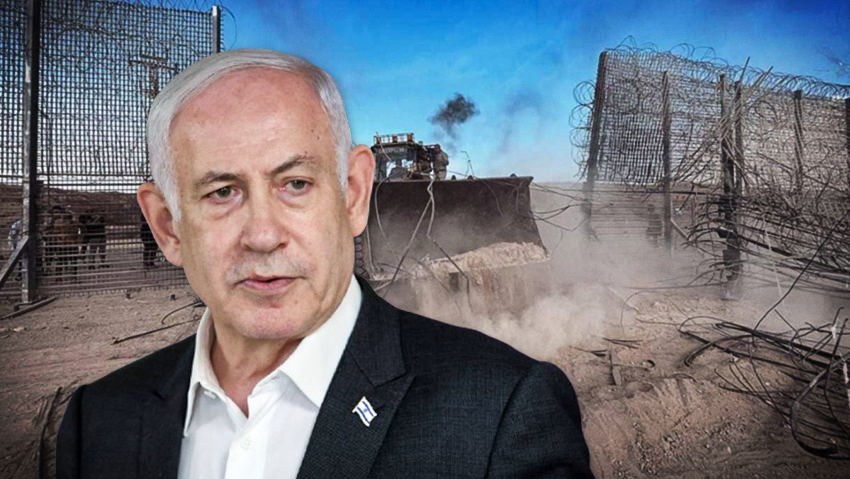
The bill, promoted by Likud lawmaker Ariel Kallner, is expected to advance through the Ministerial Committee for Legislation and reach the Knesset for a preliminary vote as early as Wednesday.
Critics argue the parallel moves are designed to allow the government to shape the scope of the investigation, control the composition of the panel and delay meaningful findings, potentially until after the next elections.
The move has drawn widespread public criticism, including from bereaved families, relatives of hostages and victims of the October 7 terror attack.
Behind the public claims of mistrust toward Supreme Court President Yitzhak Amit, particularly among coalition voters, lies a clearer motivation attributed to Netanyahu. Critics say the prime minister is seeking to blur and delay scrutiny of his responsibility for the October 7 failures.
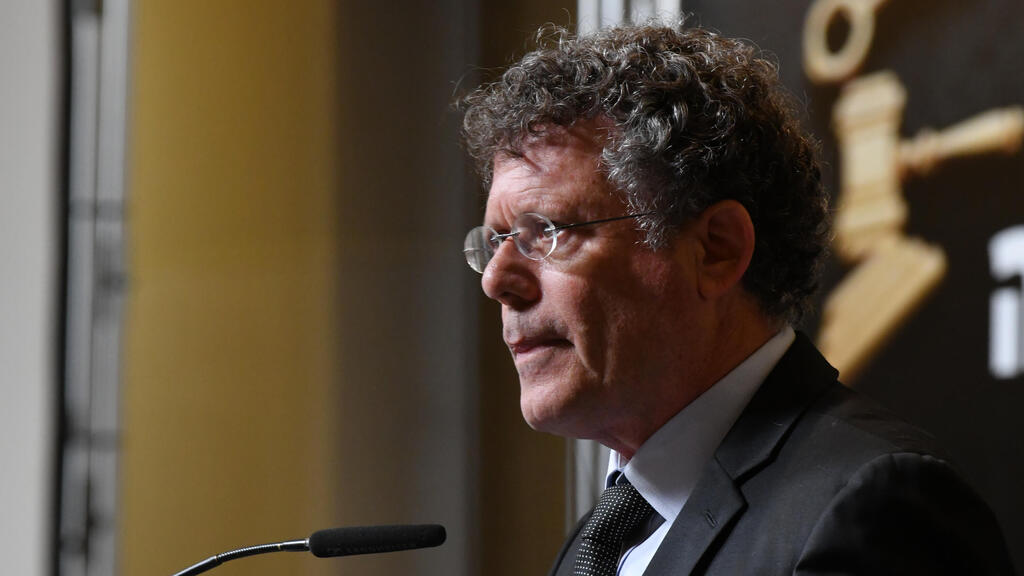
Supreme Court President Yitzhak Amit
(Photo: Nachum Segal)
The sequence is clear, according to political sources. First, the government delayed establishing any inquiry, citing the ongoing war. Now it is promoting a political commission described as “national” or “balanced,” a framework the opposition has already said it will boycott and that legal experts say is unlikely to withstand Supreme Court review.
Oslo or the disengagement
Regarding the scope of the investigation, Netanyahu is said to favor the broadest possible mandate, examining as many issues and as many years as possible in order to distance the current government from direct responsibility and overload the commission with material. The goal, critics say, is to prevent the release of interim findings before the next elections.
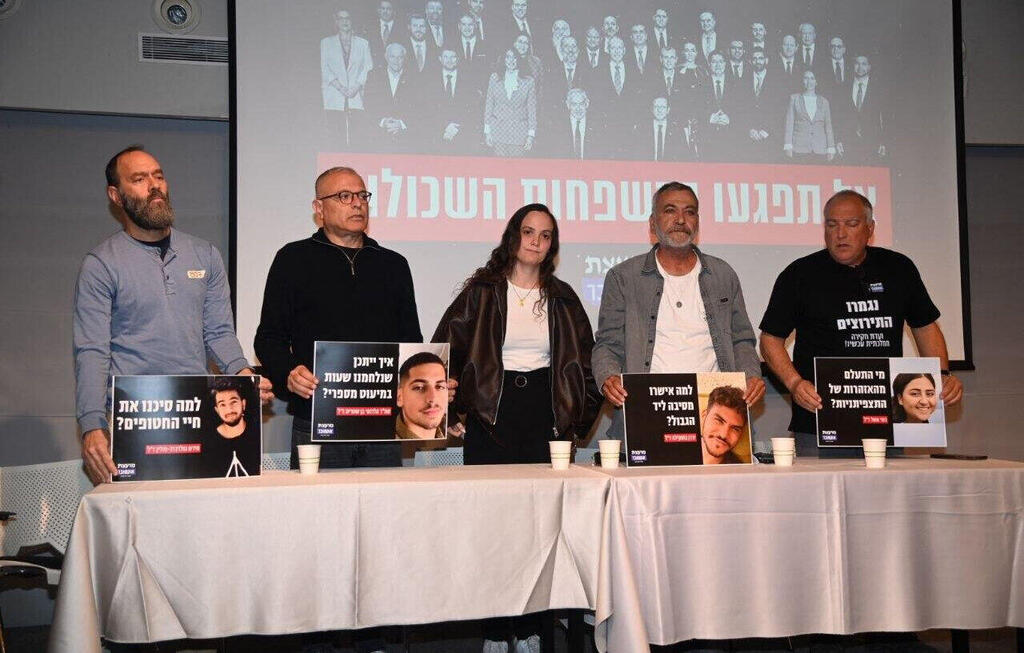
Representatives of bereaved families calling for a state commission of inquiry
(Photo: Yair Sagi)
According to government sources, Netanyahu is weighing whether the investigation should reach back to the Oslo Accords or only to the 2005 disengagement from Gaza and northern Samaria. Ministers also want the judiciary included among the subjects of investigation, alongside the political and security leadership.
“From Netanyahu’s perspective, the deeper back the probe goes and the more material it includes, the better,” a government source said. “Qatari money, everything. That way it takes longer.”
The timing is driven by two pressures. Netanyahu does not want the Knesset to dissolve over disputes surrounding the draft exemption law or the state budget before a commission he controls is established. He fears that during an election period he would be unable to form such a body and that a future government would instead create a state commission of inquiry.
At the same time, the Supreme Court has ordered the government to explain by January 4 why it has not established a state commission.
Netanyahu’s objective, critics argue, is to create a commission that begins work but concludes it as late as possible. If the court ultimately orders the establishment of a state commission, coalition figures are expected to delegitimize the decision by portraying the inquiry as one imposed by the judiciary.
Key points of the proposed law
The bill advanced by Kallner calls for a six member commission, with three members appointed by the coalition and three by the opposition. If the opposition refuses to cooperate, as it has pledged to do, Knesset Speaker Amir Ohana would appoint the opposition representatives, effectively leaving all appointments in coalition hands.
The proposal also includes four representatives of bereaved families to serve as overseers, while granting any two commission members the authority to summon witnesses.
As previously reported, coalition leaders are considering offering Supreme Court President Amit the option to appoint half of the commission members if the opposition maintains its boycott, an effort aimed at softening public resistance to the plan.