


Israel is preparing for the possibility of renewed fighting with Iran after the United States received Tehran’s updated proposal, officials said on Monday.
Israel is closely following the negotiations and believes Iran effectively gave U.S. President Donald Trump a “shameful” response that cannot serve as a basis for progress. The military option is now on the table in a significant way, officials said.
Gallery
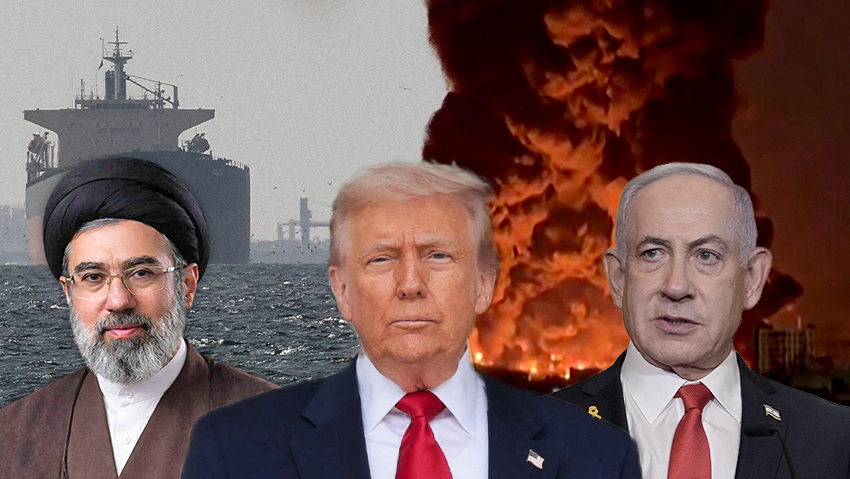
(Photo: AFP - SOURCE: UGC / UNKNOWN, REUTERS/Jessica Koscielniak/Stringer, Oliver CONTRERAS/AFP)
Trump told the New York Post that he is “not frustrated” by Iran’s conduct. But he added: “I’m not open to anything right now. I can’t really talk to you about it. Too many things are happening. I can tell you they want to make a deal more than ever, because they know we’re—what’s going to be happening soon. It’s a negotiation. I don’t want to be stupid.”
Israel is involved in the planning, but officials said nothing is ever truly final with Trump and no one knows when a decision could come. Still, one Israeli official said the possibility of action appears to be drawing closer and is being treated seriously.
The official said Iran could still make a last-minute move and show flexibility if it concludes Trump is moving toward a strike. But for now, the official said, that does not appear to be happening.
An Israeli official said the Iranians are euphoric and view themselves as the big winners. In their view, Trump is only threatening and does not really want to become entangled in a renewed war.
“The Iranians are not prepared to give Trump anything because they sense he is desperate to end the war,” a person familiar with the matter said. “Their agenda is to humiliate Trump and show that they defeated the world’s greatest power.”
Trump is expected to convene his advisers Tuesday to make decisions. Prime Minister Benjamin Netanyahu is convening his inner Cabinet on Monday evening for the second consecutive day, but has not yet convened the broader Security Cabinet.
The meeting comes after Iran’s response, which a senior U.S. official said was “insufficient” for the White House. The official told Axios that if Iran won't shift its position, the U.S. will have to continue the negotiations "through bombs."
An Israeli official said that given Iran’s conduct, a limited and contained military operation may no longer change anything and Trump may have no choice but to go “all in” for a longer war. But Trump also faces scheduling constraints that could affect his decision, chief among them the World Cup, which the United States will host beginning June 11.
Trump could choose to renew Project Freedom to free ships stuck in the Strait of Hormuz, strengthen the U.S. blockade on Iran and wait until the World Cup ends on July 19. Alternatively, he could believe that a sharp and severe military blow would force Iran to accept his terms, ending the war before the tournament begins.
“Israel must prepare for a full renewal of the war,” an Israeli official said. “It is already more than 50-50, but it is not final. Could Trump find a reason at the last minute to delay it? That is possible. But he could ultimately decide on an immediate resumption of fighting. It appears the Iranians are sabotaging themselves and their people. It does not look as though Iran will agree to swallow the bitter pill even if Trump orders a military strike.”
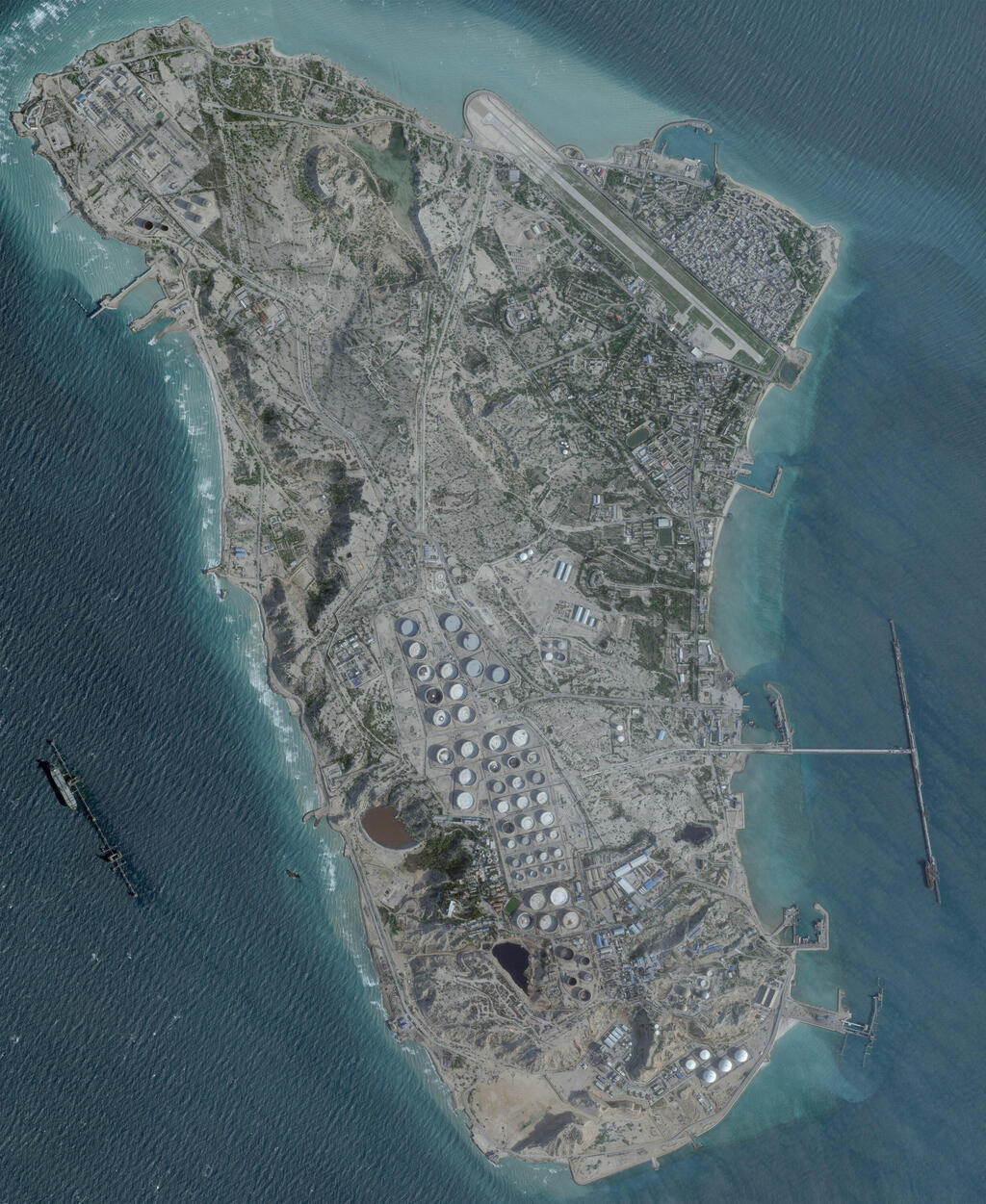
Kharg Island
(Photo: 2026 Planet Labs PBC/Handout via REUTERS)
Renewed fighting is not the only option. Other possibilities include ground operations such as seizing Iran's main oil export hub on Kharg Island, removing enriched uranium and taking control of the Strait of Hormuz. Trump dislikes that option because it endangers troops, but officials said he could ultimately choose it.
“The question that must be asked is what kind of action would move the Iranians,” the Israeli official said.
For now, the answer is unclear. According to the senior U.S. official who spoke to Axios, Iran’s counterproposal includes only “token improvements” over the previous version. It expands on Iran’s commitment not to develop nuclear weapons but does not include commitments to suspend uranium enrichment or hand over its existing stockpile of highly enriched uranium.
A senior Iranian official told Reuters, in line with Tehran’s longstanding position, that Iran would discuss nuclear issues only at later stages.