

In Ukraine, footage was published on Friday showing an unusual interception in which a Ukrainian MiG-29 fighter jet intercepts a Russian suicide drone using a special maneuver. The drone is seen crashing and exploding on the ground in an open area, creating a huge fireball. Meanwhile, the Russian military continues to bomb civilian targets across Ukraine. On Friday evening, a shopping center was attacked in Kryvyi Rih in central Ukraine, the hometown of President Volodymyr Zelenskyy. According to reports, at least 15 people were killed and 130 wounded. In additional attacks across Ukraine, another six people were reportedly killed, including three children.
The Russian Shahed drone is seen flying over Ukraine as the MiG-29 pursues it. The fighter jet closes in on the drone and, at one point, the unmanned aircraft appears to fall and explode.
Ukrainian MiG-29 intercepts Russian suicide drone


Gallery
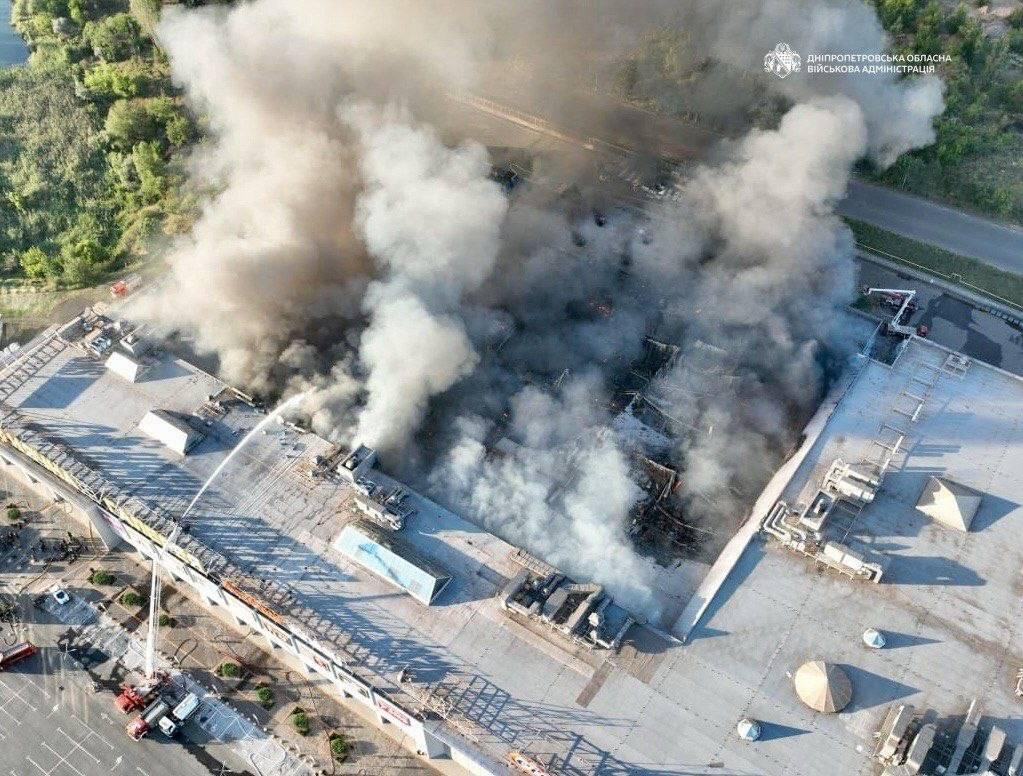
The shopping center bombed by Russia in Zelenskyy's hometown. Dozens of children were among the wounded
(Photo: Handout / DNIPROPETROVS'K REGIONAL MILITARY ADMINISTRATION / AFP))
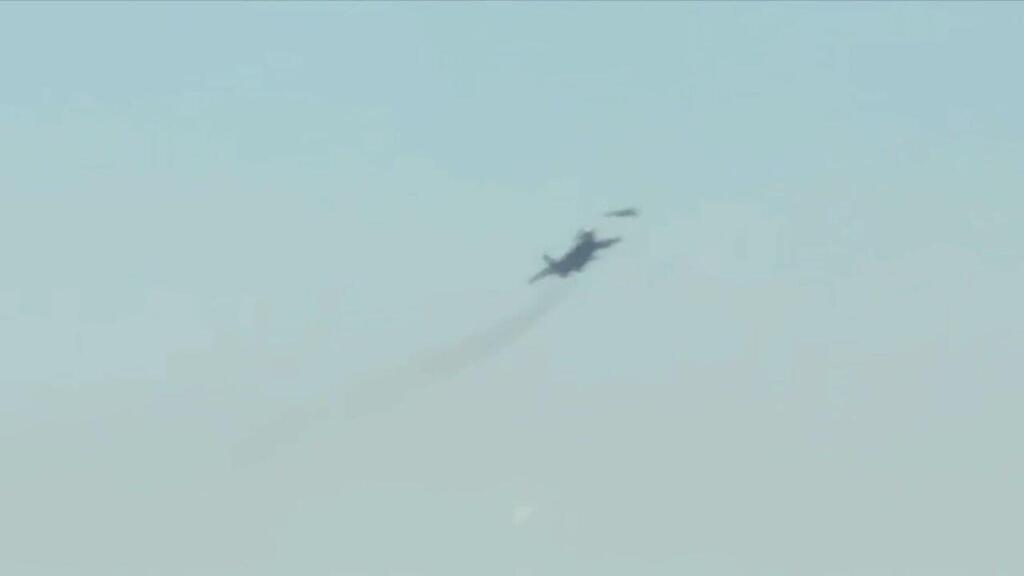
Ukrainian MiG-29 fighter jet intercepts Russian suicide drone
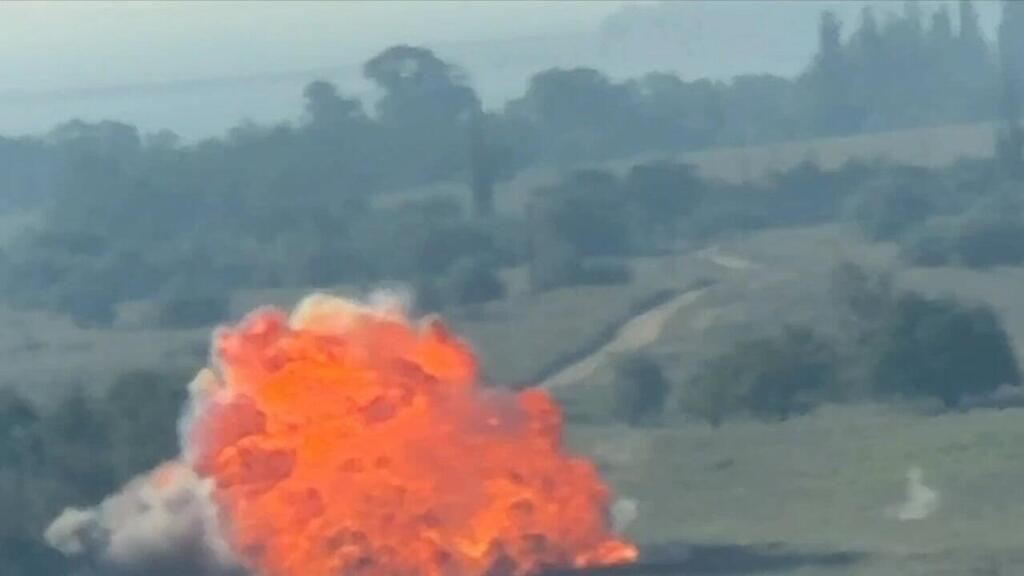
The Russian drone explodes in an open area after being intercepted
Ukrainian Telegram channels claimed that the jet managed to intercept the drone without firing, as appears to be the case in the footage. According to the explanation offered, the pilot used the aerodynamic wake generated by the fighter jet to destabilize the drone and cause it to crash.
The Shahed drones used by the Russian military originated in Iran. At the beginning of the war, Tehran exported them to Russia, which later began manufacturing the drones domestically, as well as developing advanced and improved versions of the Shahed adapted to the conditions of the war in Ukraine. Military analysts explain that the Shahed is relatively lightweight, making it vulnerable to wind gusts that can push it off course.
Russia bombs shopping center, Zelenskyy: 'We will definitely respond'
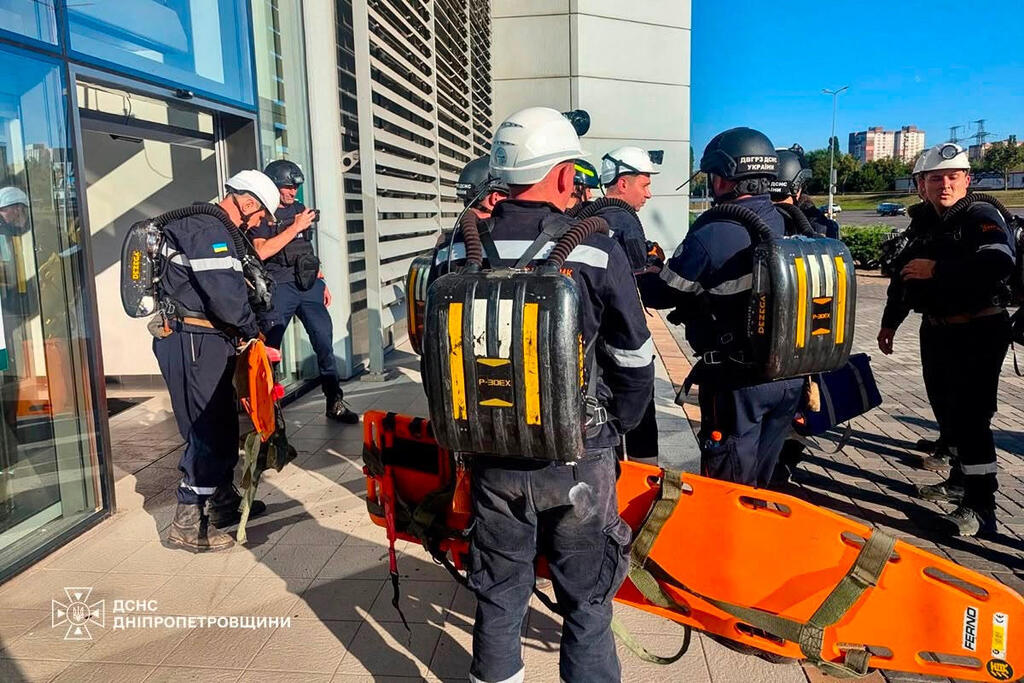
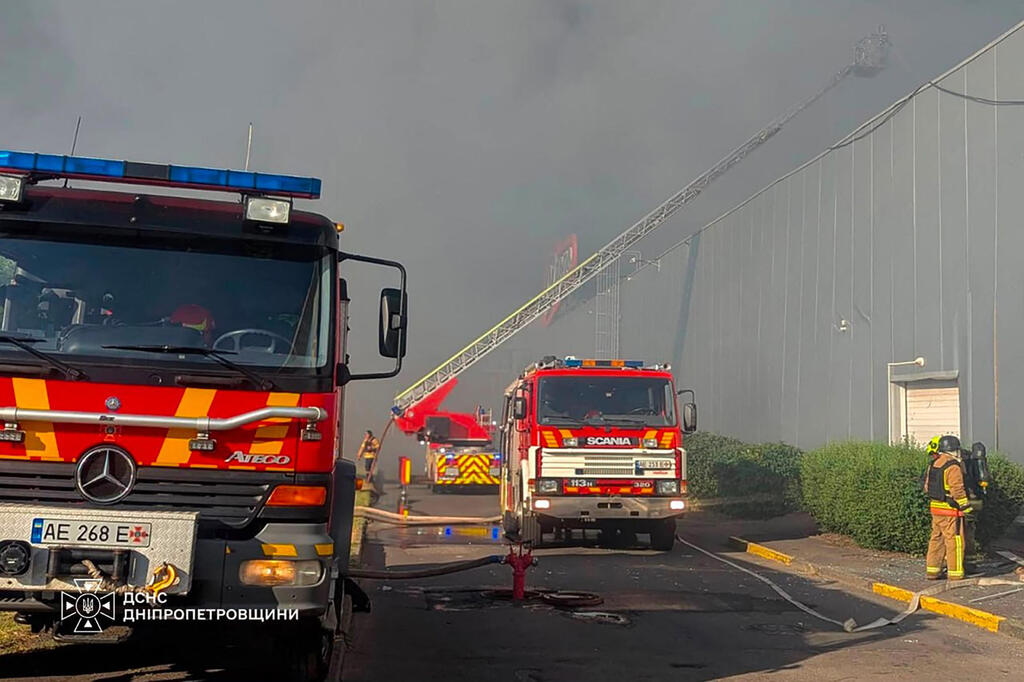
Meanwhile, both sides continue to strike targets behind the front lines every day. Russia continues to focus on civilian targets in Ukraine, and on Friday afternoon it used suicide drones to attack a shopping center in Kryvyi Rih, the hometown of Ukrainian President Volodymyr Zelenskyy.
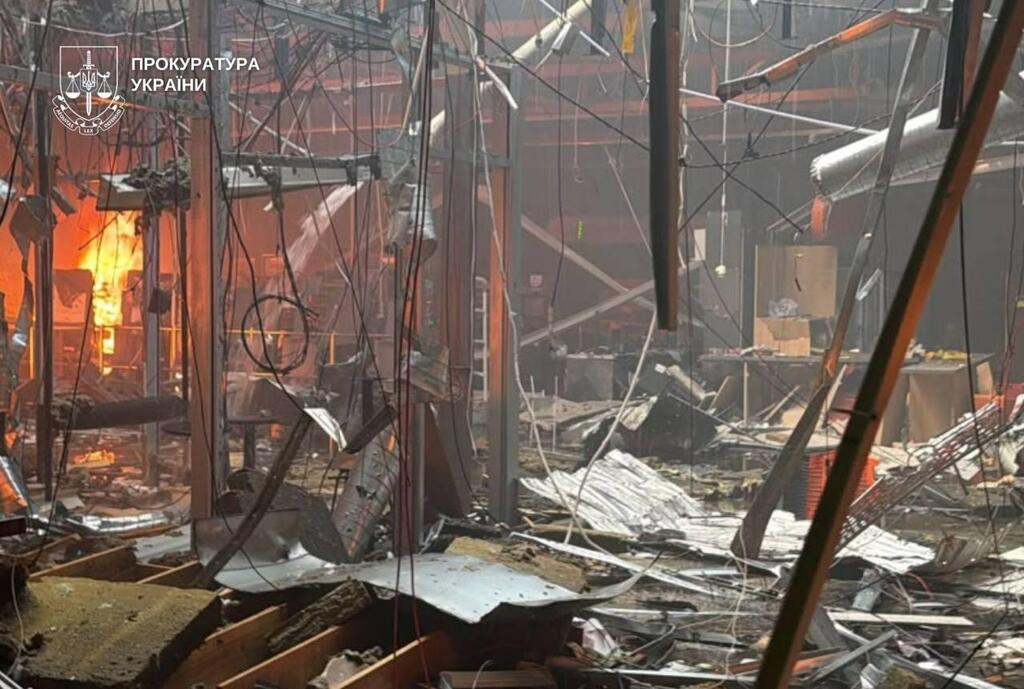
Shopping center in Kryvyi Rih bombed by Russia
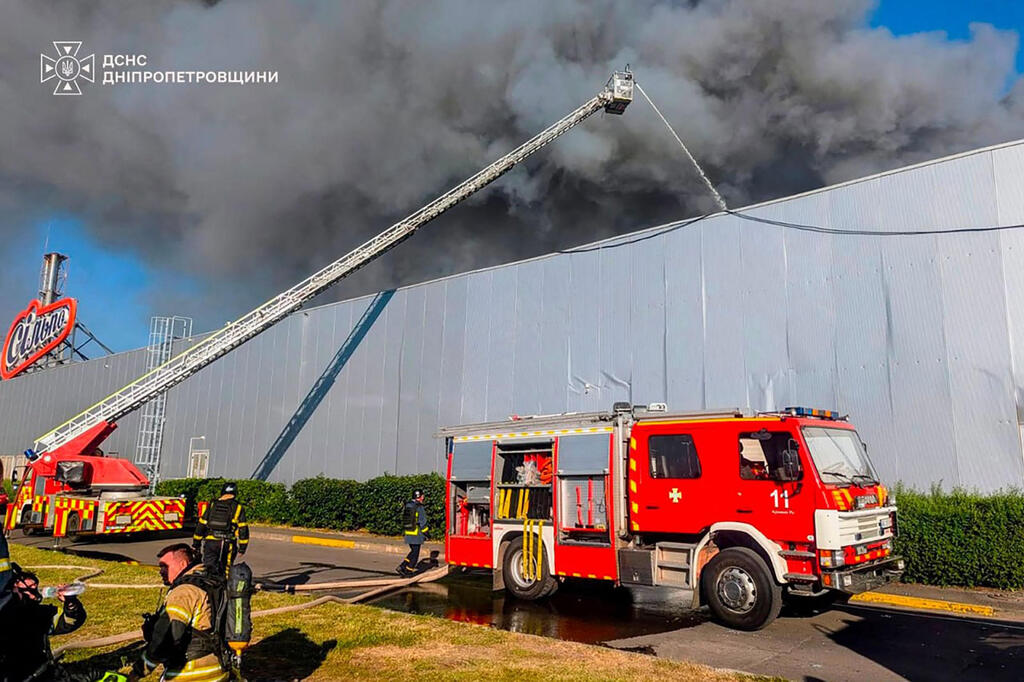
Firefighters work outside the shopping center
(Photo: Handout / STATE EMERGENCY SERVICE OF UKRAINE / AFP)
(Photo: Handout / STATE EMERGENCY SERVICE OF UKRAINE / AFP)
(Photo: Handout / STATE EMERGENCY SERVICE OF UKRAINE / AFP)
Drones were filmed over the city and Russian forces continued attacking the site after the initial strike, while rescue crews were already there. The attacks resulted in a particularly high number of casualties: According to local authorities, at least 15 people were killed and another 130 wounded, including dozens of children.
In another Russian attack on Friday evening in Mykolaiv, east of Odesa, three children and another person were killed. Meanwhile, authorities in the Kharkiv region reported that two women were killed by a Russian drone explosion and two others were wounded. The total number of people killed in Ukraine on Friday therefore stands at 21.
The head of the military administration in Kryvyi Rih said the rescue operation was complex and that the number of casualties could continue to rise. Zelenskyy described the attack as a "double tap," in which a second wave of drones followed the first strike on the shopping center while rescue teams were already at the scene.
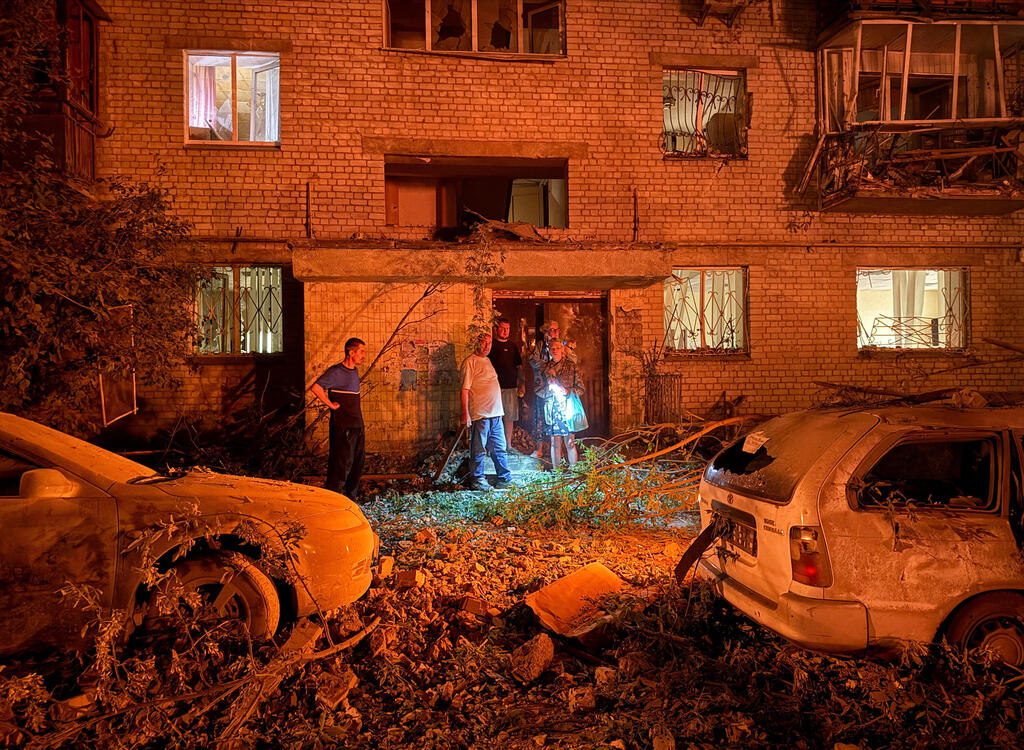
Destruction in Kyiv following a ballistic missile attack on Wednesday
(Photo: REUTERS/Anatolii Stepanov)
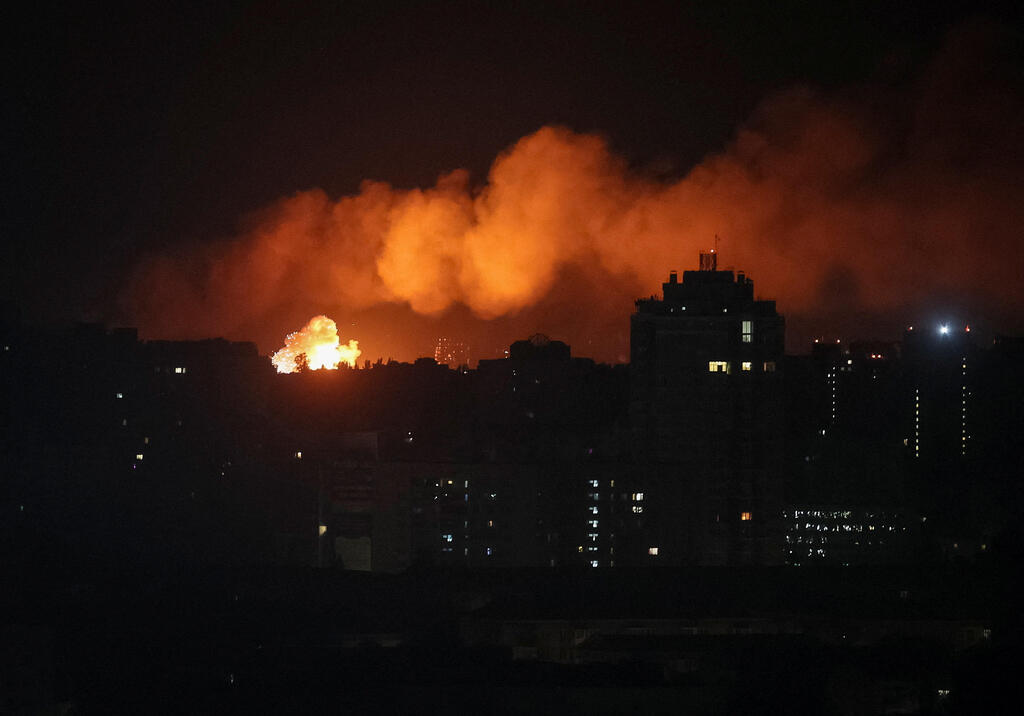
Ballistic missiles explode over Kyiv
(Photo: REUTERS/Gleb Garanich)
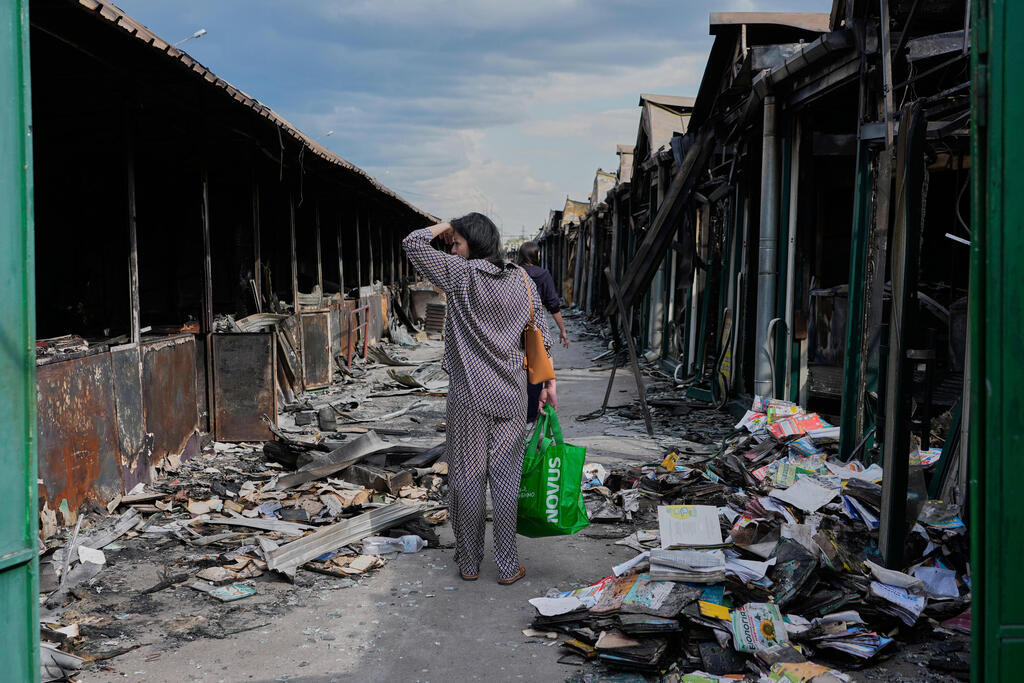
Russia takes advantage of Ukraine's shortage of interceptor missiles
(Photo: AP Photo/Efrem Lukatsky)
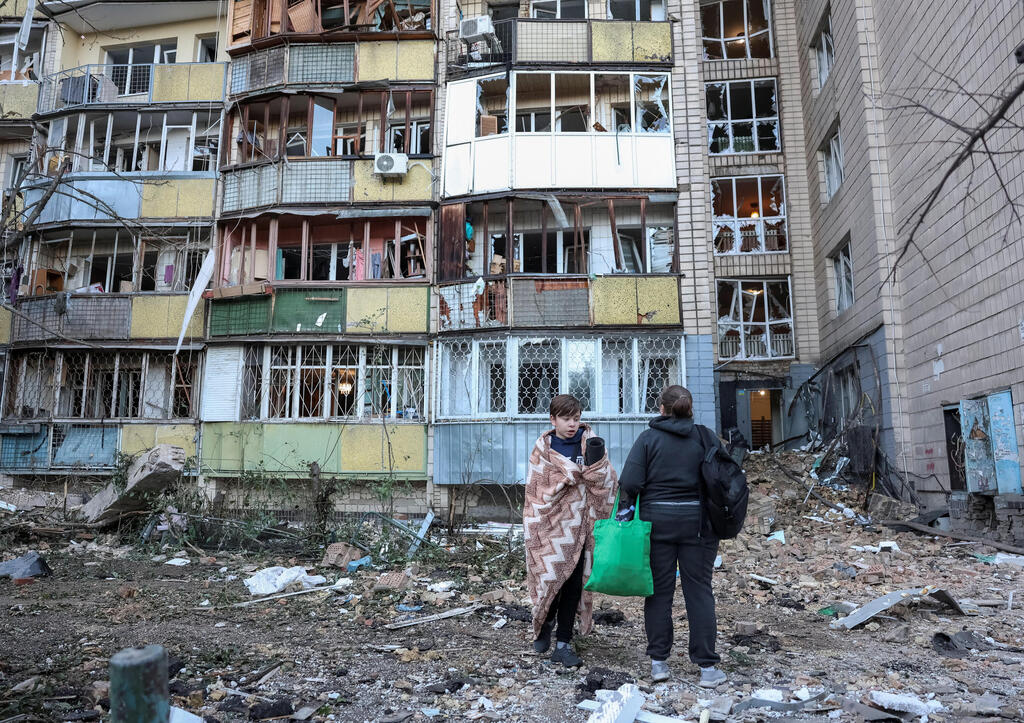
Kyiv residents survey the extensive destruction
(Photo: REUTERS/Anatolii Stepanov)
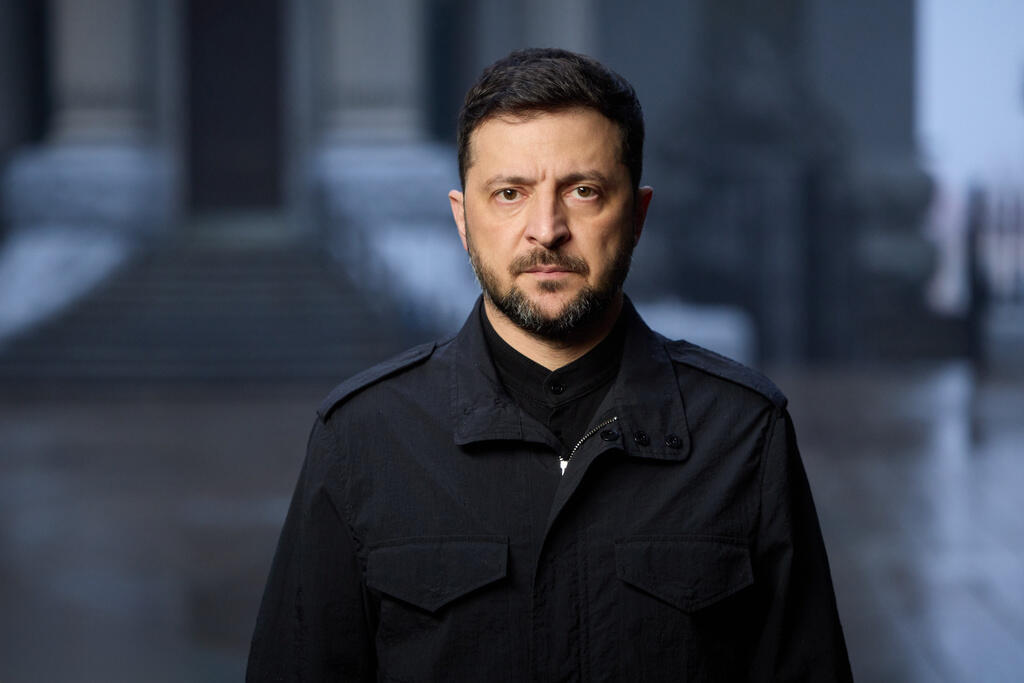
'We will definitely respond.' Zelenskyy
(Photo: Press Service Of The President Of Ukraine/AP)
"Attacks like these are nothing less than terrorist acts," Zelenskyy wrote on social media. He later vowed that Ukraine "will definitely respond" to the attack on the shopping center.
About a day earlier, Russia used ballistic missiles to strike Kyiv and its surrounding areas, killing 16 people and wounding about 40 in an attack that lasted for hours. Vladimir Putin's forces are taking advantage of Ukraine's severe shortage of Patriot interceptor missiles, meaning most of the ballistic missiles launched at Ukraine are not intercepted. In addition, a Russian drone exploded on a civilian minibus in the southern city of Kherson on Wednesday, killing four people and wounding four women.
Meanwhile, Ukraine continues to target oil refineries and oil terminals across Russia in what Zelenskyy calls "long-term sanctions." On Friday night, Kyiv used drones to attack an oil refinery in Perm deep inside Russia, more than 1,600 kilometers from the countries' border. Footage of smoke rising from the site circulated in Russia on Friday morning, while Zelenskyy and the Ukrainian military confirmed the attack.
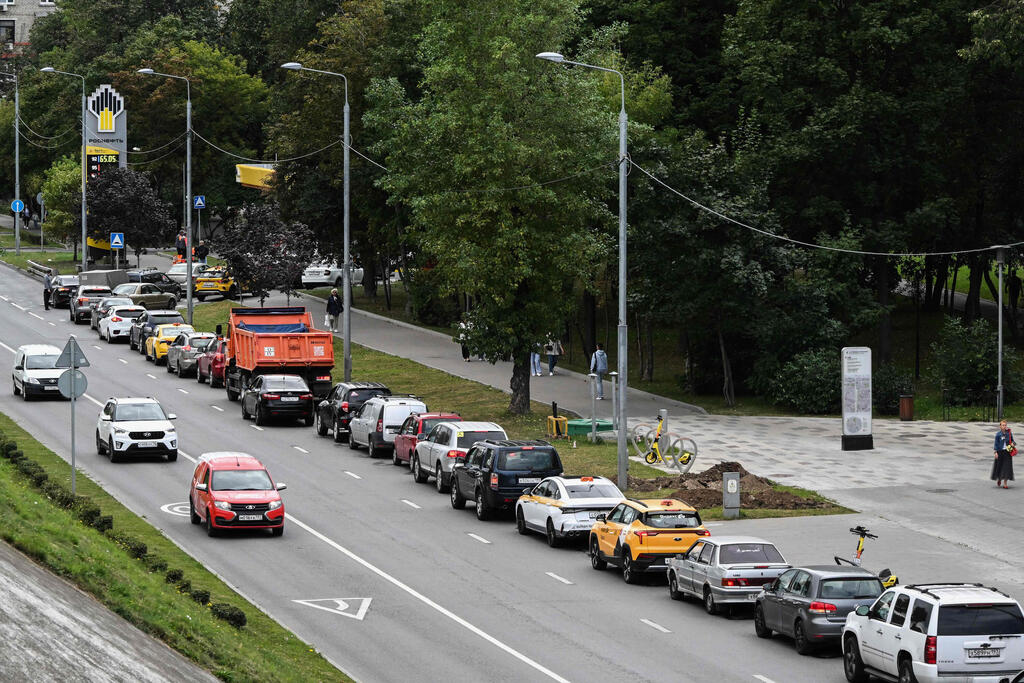
Huge lines at gas stations in Moscow. Ukraine's campaign is having an impact
(Photo: Igor IVANKO / AFP)
In addition, the Ukrainian president claimed that the Marinovka military base in Russia's southern Volgograd region was attacked, although the strike had not been independently verified at the time of publication.
Ukraine's campaign of attacks, which Kyiv calls a "campaign to bring the war to the Russian civilian," continues to focus on oil refineries and energy infrastructure in Russia. The campaign has had an impact in recent weeks as the fuel crisis worsens.
On Wednesday, Reuters reported that gas stations in Moscow had once again imposed restrictions on gasoline and diesel purchases due to fuel shortages. At the same time, Russia officially acknowledged for the first time that it had begun importing fuel from abroad — an unusual move for a country that in normal times was considered one of the world's largest fuel exporters.
Huge lines have been seen at gas stations in Moscow in recent days, after similar queues were reported in numerous other regions across the country.
A representative at Gazprom Neft's customer service center said gasoline and diesel sales at the company's automated gas stations in Moscow had been limited to 40 liters per customer. At other Gazprom Neft stations, diesel sales remained unrestricted while gasoline purchases were limited to 60 liters per vehicle.
Rosneft, Russia's largest oil producer, said gasoline sales at all of its gas stations across Russia had been limited to 30 liters per vehicle, while diesel sales were not subject to restrictions.
Lukoil said it had imposed fuel sales restrictions in Moscow and the surrounding region due to "increased demand," but did not disclose the exact limits.