

Israel has demolished more than 1,500 buildings in areas of the Gaza Strip that remain under its control since the start of the ceasefire with the Hamas terrorist organization, the BBC reported overnight Tuesday, citing new satellite imagery.
According to the report, entire neighborhoods under IDF control have been flattened in less than a month, apparently through controlled demolitions. The British network said the actual number of destroyed structures may be higher due to limited satellite coverage.
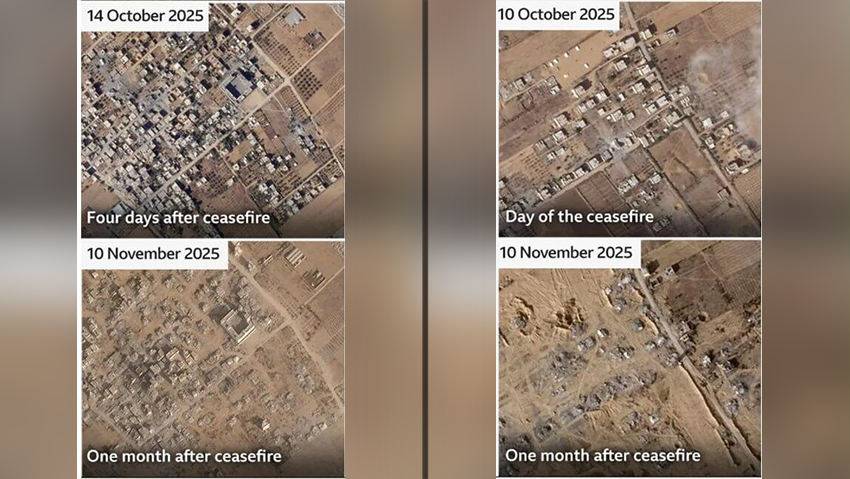
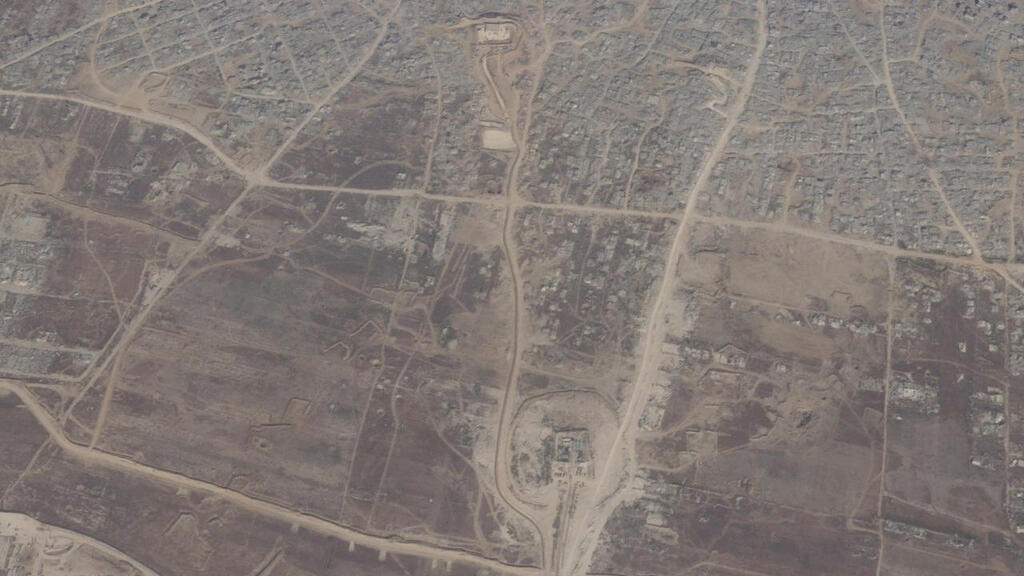
Satellite photos reviewed by the BBC showed extensive destruction in neighborhoods east of Rafah and Khan Younis, as well as in parts of Gaza City. In some cases, entire residential areas that appeared intact before the ceasefire were later leveled.
IDF: 'Acting in response to threats'
Israeli officials did not deny the demolitions but rejected suggestions that they violated the terms of the ceasefire agreement, which was based on U.S. President Donald Trump’s 20-point plan for Gaza.
“Under the agreement, all terror infrastructure, including tunnels, is to be neutralized throughout Gaza,” the IDF said in response to the report. “Israel acts in response to threats, violations and terror infrastructure.”
(Photo: REUTERS)
Point 13 of Trump’s plan, published by the White House, states that “all offensive, military and terror infrastructure, including tunnels and weapons production facilities, will be destroyed and not rebuilt.” The document also says the demilitarization process in Gaza will take place under the supervision of independent monitors.
Residents describe devastation
In eastern Khan Younis, the BBC cited homes in Abasan al-Kabira that were destroyed after the ceasefire took effect. Similar damage was documented in al-Bayuk, east of Rafah.
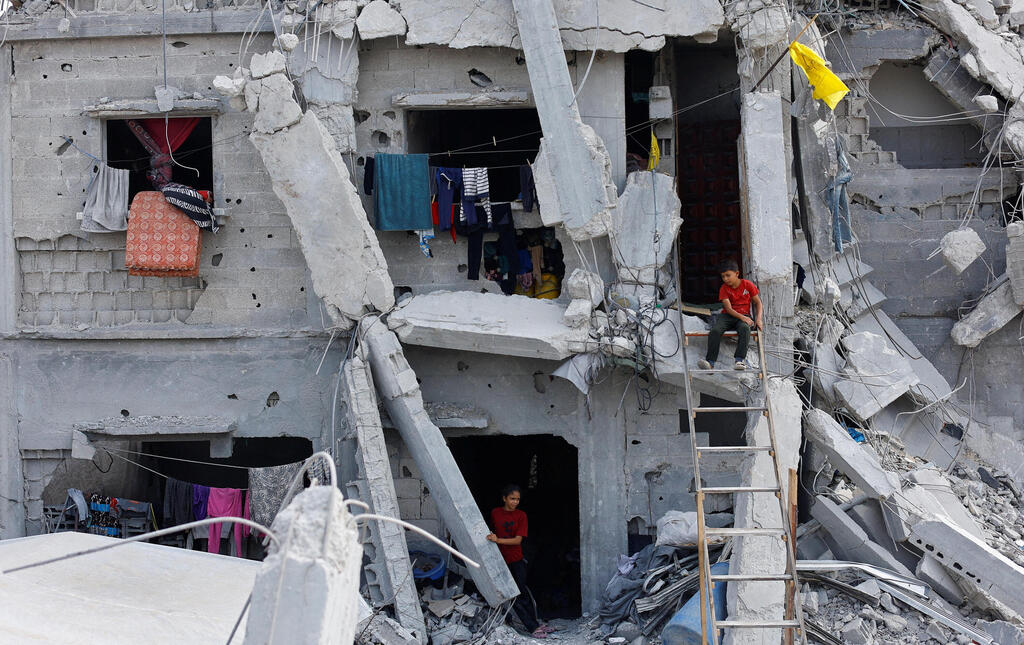
Lana Khalil, a displaced resident of Abasan al-Kabira who relocated to al-Mawasi, said her home had been “paradise, full of vegetables.” She told the BBC that the Israeli army “left us nothing — they destroyed everything,” adding that the sound of demolitions could be heard from the tents where she now lives.
(Photo: REUTERS/Mahmoud Issa)
Destruction was also recorded in the Shuja’iyya neighborhood of Gaza City, a longtime Hamas stronghold overlooking the Israeli community of Nahal Oz. The terrorist organization has claimed it located several of the bodies of hostages in that area.
Ongoing operations in controlled zones
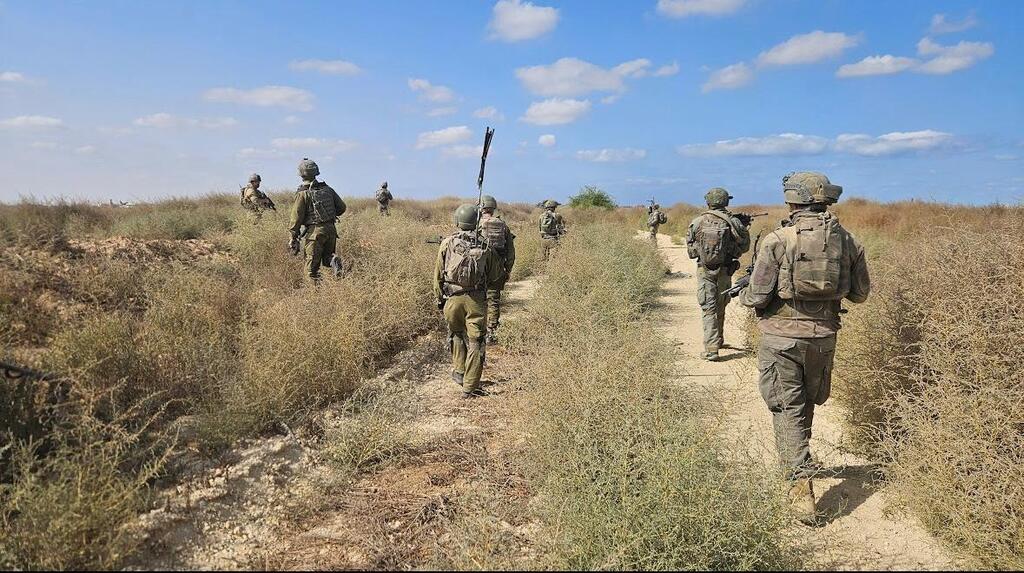
The IDF continues to operate inside the zone under its control, focusing on dismantling tunnels and clearing explosives. The Hamas terrorist organization continues to booby-trap tunnel shafts and nearby routes with improvised explosive devices.
Southern Command’s goal, according to Israeli defense officials, is to neutralize as many tunnels as possible in the controlled area, located roughly 3 to 4 kilometers from the border, until the army withdraws to a new perimeter about 700 to 800 meters from the prewar line.
In parts of Gaza still under Hamas control, extensive underground networks remain. Israeli military sources said ground operations to eliminate them are unlikely to resume soon because of the ceasefire agreement.
(Photo: IDF)
Since the ceasefire began, IDF troops have also found weapons and other military equipment on the Israeli side of the yellow line, the boundary marking Israel’s current operational zone inside Gaza.
“Hamas operatives in the enclaves follow a set routine — we destroy tunnels on our side of the yellow line, and they respond with a few anti-tank missiles and sniper fire,” an IDF officer said last week. “That won’t stop us, and we don’t need American approval to continue.”
Concerns over ceasefire stagnation
A senior Israeli security official warned last week of “stagnation” in the ceasefire deal, saying Hamas could use the pause to rebuild and strengthen while Israel’s forces remain stationary.
“It’s good for Hamas, which can recover and take control of aid entering Gaza,” the official told Ynet and Yedioth Ahronoth. “Meanwhile, IDF forces stay static, limited in their ability to attack or take initiative, and exposed to dangers deep in the field.”