

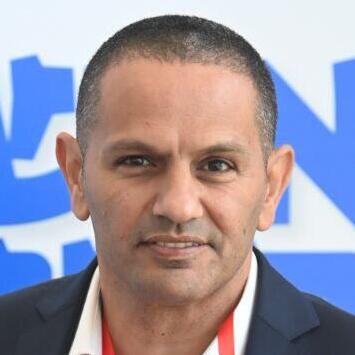
IDF Chief of Staff Lt. Gen. Eyal Zamir on Sunday evening carried out the first dismissals of senior commanders over the military’s failures during Hamas’ October 7 terror attack, more than two years after the massacre in the Gaza border communities and the outbreak of the war.
Zamir urgently summoned a series of senior officers who served before and during the attack and informed them of personal conclusions and command measures. The steps follow the findings of the Turgeman Committee, which reviewed the IDF’s internal investigations into the extensive failures.
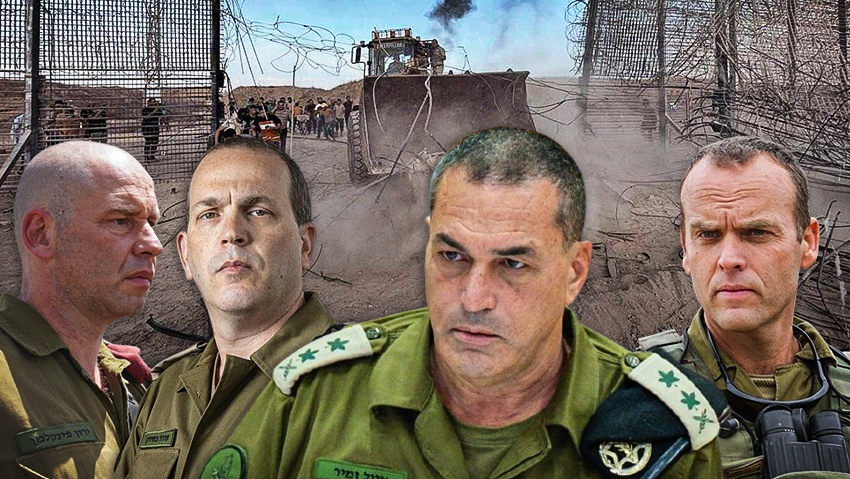
As part of the decisions, Maj. Gen. (res.) Oded Basyuk, who served as Operations Directorate chief when the war began, was removed from reserve duty. Basyuk, who had been considered for senior roles in the Defense Ministry, completed his term as head of the directorate last summer.
Zamir further determined that the officer who headed the Operations Division within the directorate on October 7, Maj. Gen. Shlomi Binder — now the chief of Military Intelligence — will receive a command reprimand but will not be dismissed. At his request, Binder will retire from the IDF only after completing his current term as intelligence chief.
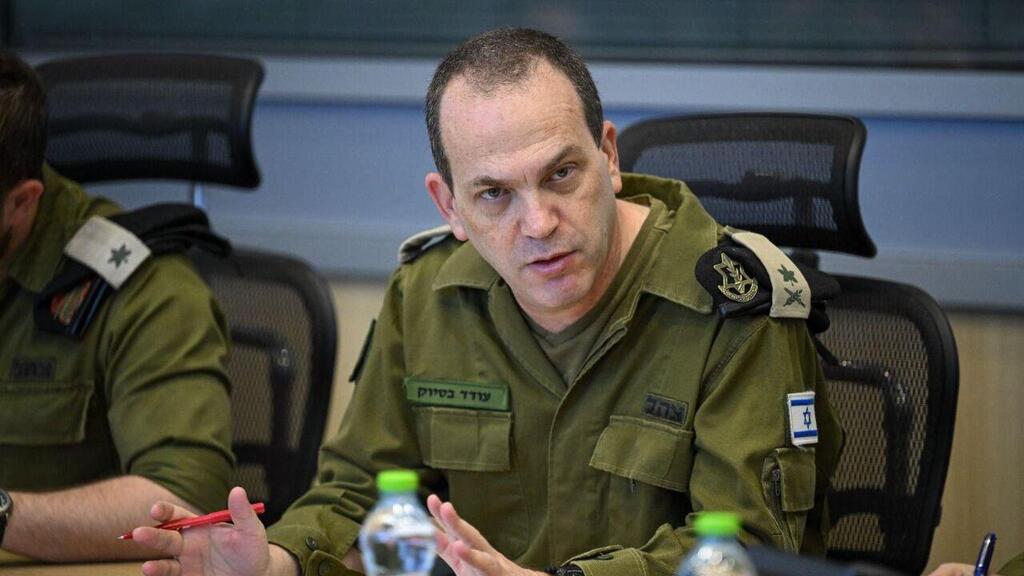
Maj. Gen. (res.) Oded Basyuk
(Photo: IDF)
Zamir also dismissed former Military Intelligence chief Maj. Gen. (res.) Aharon Haliva from reserve service in a phone call. Haliva told him he had already taken responsibility for his role in the failure and said, “I asked not to serve in the reserves. I took full responsibility, I conducted the investigations and I expect a state commission of inquiry.”
Former Southern Command commander Maj. Gen. Yaron Finkelman — who resigned his post after the attack but remained in service — will end his military career and be removed from reserve duty as well. The former intelligence officer of the Gaza Division, Lt. Col. A., will be dismissed from the IDF, and the former head of the Operations Brigade in Military Intelligence, Brig. Gen. G., will conclude his service.
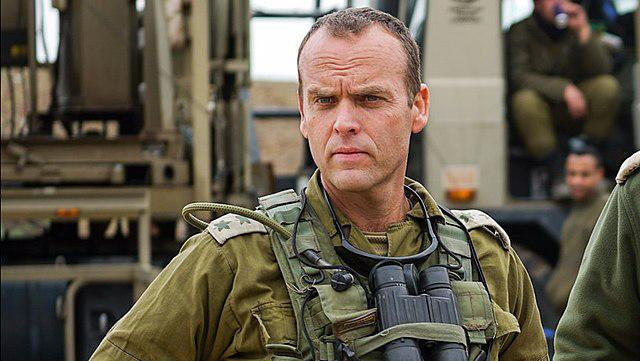
Maj. Gen. Shlomi Binder
(Photo: IDF)
Unit 8200 commander Yossi Sharel, who served in the role when the war erupted, was also summoned for a meeting on Sunday but did not appear, saying he had scheduling constraints. Zamir informed him by phone that he, too, would be dismissed from reserve service. Sharel said he had already taken personal responsibility and requested forgiveness, adding that he had not intended to continue in the reserves.
The chief of staff issued a command reprimand to Air Force Commander Maj. Gen. Tomer Bar over the committee’s findings regarding the air force’s preparedness for ground threats and Hamas’ use of drones, UAVs and powered gliders, which destroyed critical surveillance systems along the border on October 7 Navy Commander David Sa’ar Salama also received a command reprimand.
Zamir’s decisions were made after receiving recommendations from the committee led by Maj. Gen. (res.) Sami Turgeman, a former head of Southern Command and the Operations Directorate. The panel reviewed the IDF’s internal investigations and evaluated their quality, identifying some as strong, others as inadequate, and some as requiring discarding. Although the committee was not mandated to recommend dismissals, Turgeman believed the findings warranted personal conclusions.
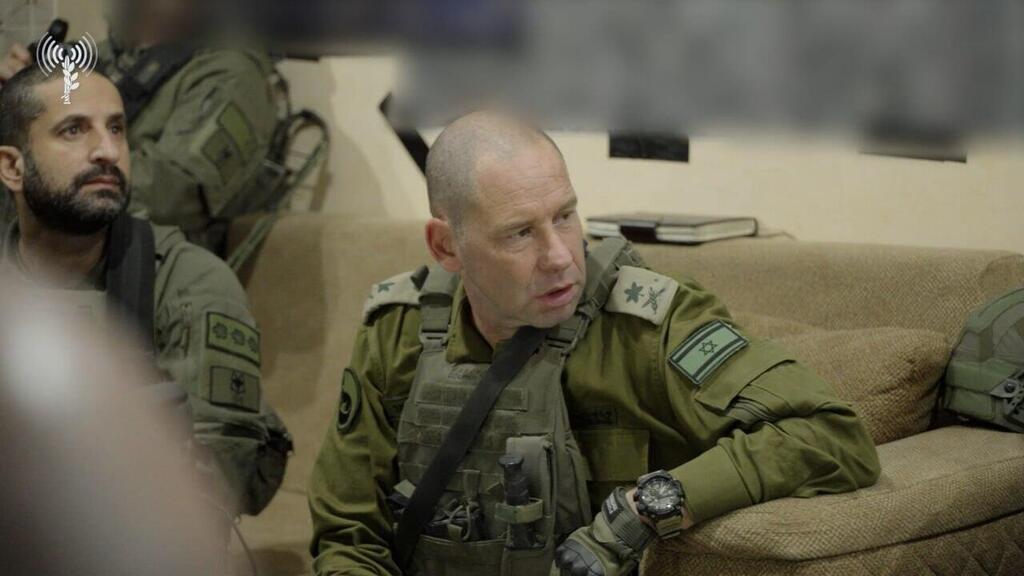
Maj. Gen. Yaron Finkelman
(Photo: IDF)
The committee also flagged several issues that had not been examined at all by earlier IDF review teams and recommended they be investigated, including the handling of various versions of Hamas’ attack plan known in Israeli intelligence as “Jericho Wall.” Despite deeply probing other operational and intelligence matters, the committee left this subject for future review.
On one of the most controversial issues since the war — the appointment of Binder as intelligence chief despite his role in the October 7 failures — the committee said parts of the investigation into the Operations Division’s performance must be redone. That work is still underway, but the panel delivered sharp criticism of the division’s conduct that day.
The wave of dismissals comes amid an intense public debate over whether to establish a commission of inquiry into the attack, the events leading up to it and the conduct of the war. When the Turgeman report was presented, Zamir said he supports an external, systemwide and multidisciplinary commission, marking the first time since the war began that he did not explicitly call for a state commission. Until recently, Zamir — like his predecessor, Herzi Halevi — advocated for a state commission empowered by law and appointed by the president of the Supreme Court, with authority to issue personal recommendations including dismissals.
Prime Minister Benjamin Netanyahu and his government oppose establishing a state commission, arguing that “half the country is against it.” The opposition claims the government seeks to avoid scrutiny of its own role in the October 7 failure. Last week the government approved the creation of a “national commission of inquiry” and tasked a ministerial committee led by Justice Minister Yariv Levin with defining its mandate.
First published: 18:33, 11.23.25