


Amid a growing public debate over women serving in combat roles, new data from the IDF show the number of female combat soldiers has climbed to record levels, reflecting a significant shift in the military’s makeup.
According to figures obtained by ynet, about 8,500 women served in combat roles in 2025 — more than double the number in 2020 and nearly 10 times higher than in 2013. About 5,000 women enlisted as combat soldiers over the past year, a tenfold increase compared with a decade ago.
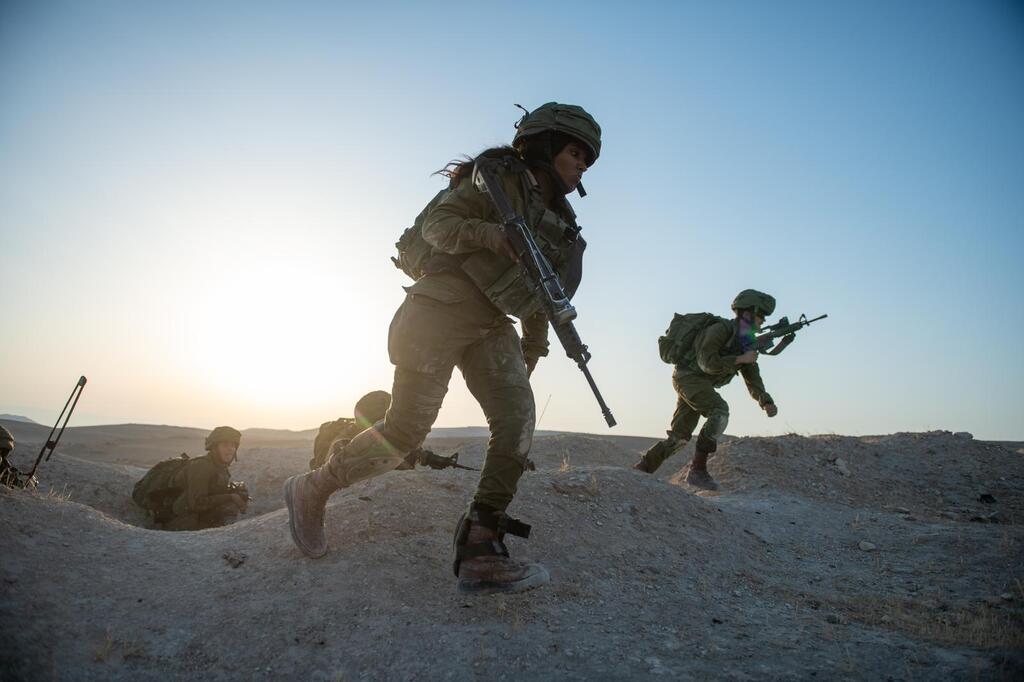
The trend extends beyond active-duty service to the broader combat force and the reserves. Over the past decade, women’s share of the overall combat force rose from 13.7% to about 20%. In the combat reserves, women made up roughly 3% during the 2006 Second Lebanon War and about 8% during the 2014 Gaza war. During the current war, that figure climbed to around 20%, an unprecedented level that officials say reflects a deep structural change during prolonged fighting and heavy operational strain.
Military officials said the increase has not been accompanied by unusually high dropout rates. In border infantry units, overall attrition stands at about 16%, compared with roughly 15% among women — nearly identical figures that point to similar endurance under combat demands.
Personnel officials also noted a shift in operational activity. Hundreds of women have crossed into enemy territory and taken part in combat operations, they said. About one-fifth of combat forces are now women, and there are currently six female combat battalion commanders.
Since the start of the war, about 65,000 women have served in the reserves, compared with fewer than 7,000 during the 2014 conflict.
Women are now integrated across a wide range of combat roles, from border defense and combat intelligence to infantry frameworks and mixed-gender units. Officials expect the trend to continue and expand as the military adapts to operational needs and social change.
Record enlistment among religious women
The data also show a record number of religious women enlisting. In 2025, about 4,000 religious women joined the military, up from fewer than 1,000 at the start of the previous decade. The number rose to about 2,000 in 2020, crossed 3,000 in subsequent years and increased further during the current war.
Many of those women had previously been eligible for religious exemptions but chose to forgo them in favor of military service. The total pool of potential recruits among religious women is estimated at about 9,000, and a growing number are opting for military service over national civilian service.
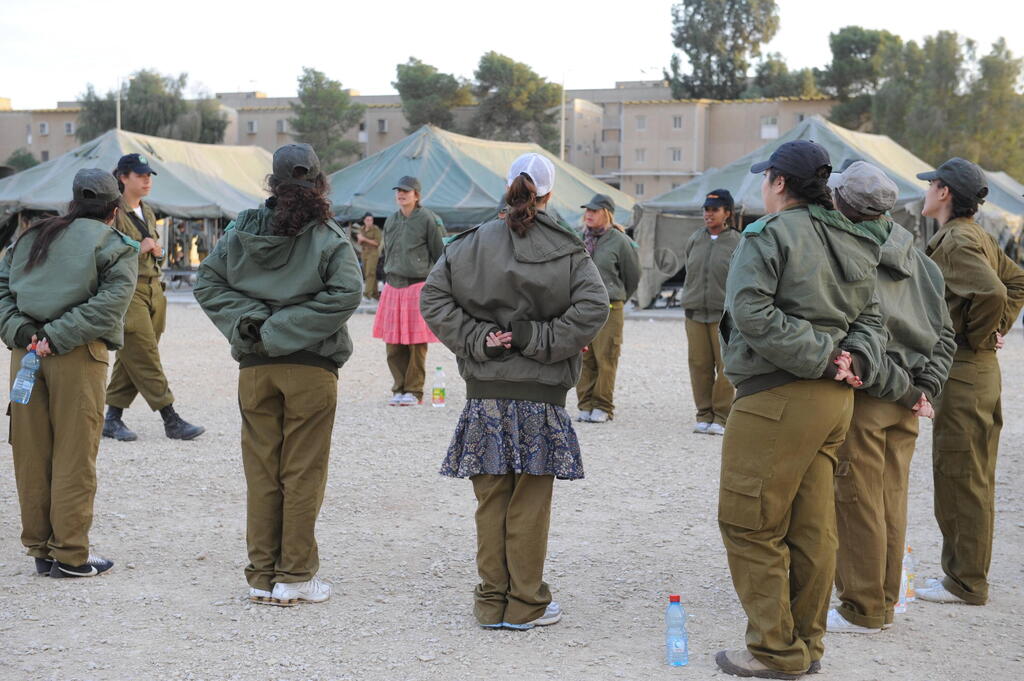
(Photo: Israel Yosef)
Two newer trends have emerged alongside the rise in enlistment. First, more religious women are choosing combat roles. Dedicated tracks have been opened, driving a sharp increase in demand. Recently, the first platoon of religious female soldiers completed combat intelligence training and received combat insignia — a first-of-its-kind program developed with religious academies while maintaining a religious lifestyle.
Second, women who previously performed national civilian service have begun volunteering for reserve duty. After completing abbreviated basic training, they were assigned to roles aligned with their civilian expertise, primarily in medicine, logistics, casualty services, resilience centers and the military legal system.
Officials said the figures show the rise in female combat service is not temporary but part of a sustained shift, particularly among religious women, expanding participation and opportunity within the IDF.