

Pakistan’s Prime Minister Shehbaz Sharif on Tuesday urged U.S. President Donald Trump to extend his deadline on Iran by two weeks, calling for a pause in hostilities to allow diplomacy to proceed as tensions escalate across the region.
A senior Iranian official told Reuters that Iran is “positively reviewing” Pakistan’s request for a two-week ceasefire, while another official said exchanges of messages with the United States have continued despite escalating tensions.
Gallery
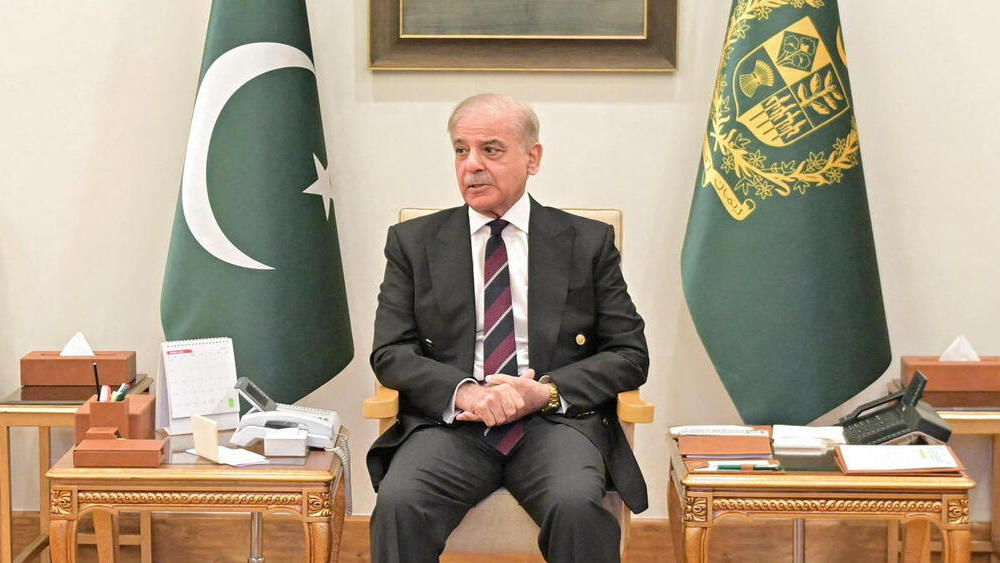
Pakistan Prime Minister Shehbaz Sharif
(Photo: Pakistan's Ministry of Foreign Affairs/ Reuters)
U.S. President Donald Trump was also aware of Pakistan's proposal for a two-week extension to the deadline he imposed on Iran, and a response will come, White House press secretary Karoline Leavitt said on Tuesday.
“The president has been made aware of the proposal, and a response will come,” Leavitt said in a statement.
In a public statement, the Pakistani leader said diplomatic efforts toward a peaceful resolution were “progressing steadily” and could soon yield results. He appealed to Trump to delay any further escalation, proposing a two-week window for negotiations.
Pakistan also called on Iran to reopen the Strait of Hormuz during that period “as a goodwill gesture,” and urged all sides to observe a temporary ceasefire to give diplomacy a chance to succeed.
The appeal comes as an Iranian official told Reuters that indirect exchanges of messages between Tehran and Washington are still ongoing through mediators, offering a rare indication that backchannel talks remain active despite intensifying threats.
But the diplomatic signals were overshadowed by sharply escalating rhetoric from both sides.
U.S. President Donald Trump issued a stark warning ahead of his deadline, writing on Truth Social that “a whole civilization will die tonight, never to be brought back again.” He added that while he did not want that outcome, “it probably will.”
Trump suggested that the situation could still shift, pointing to what he described as the possibility of “complete and total regime change” that could bring “different, smarter and less radicalized minds” to power, though he left open the chance of a diplomatic breakthrough.
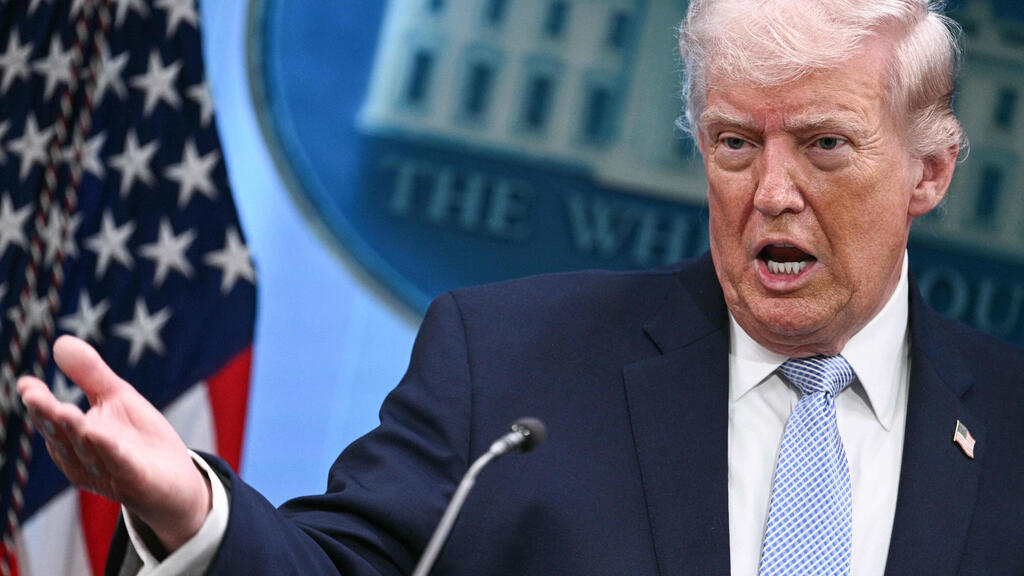
US President Donald Trump
(Photo: Brendan Smialowski/ AFP)
At the same time, Iran’s Islamic Revolutionary Guard Corps signaled a hardening stance.
In a statement carried by Iranian media, the IRGC warned that “restraint is over” and threatened escalation beyond the Middle East if the United States crosses Tehran’s red lines.
“If the United States crosses Iran’s red lines, the response will extend beyond the region,” the IRGC said, warning that U.S. infrastructure and that of its allies could be targeted.
The statement also suggested Iran could disrupt regional oil and gas supplies for years, raising concerns about a broader energy shock.
Regional officials echoed those fears. Qatar warned that the situation is approaching a point where it could “get out of control,” cautioning that “there will be no winners” if the conflict continues.
The warnings come amid growing concern over the Strait of Hormuz, a critical global energy corridor through which a significant share of the world’s oil and liquefied natural gas passes.
Iran has largely restricted traffic through the strait in recent weeks, prompting U.S. demands that it be reopened. Trump has warned that failure to comply could trigger expanded U.S. strikes, including on energy infrastructure and key transportation links.
Vice President JD Vance said the U.S.-led campaign is nearing its objectives and could conclude “very shortly,” though he acknowledged that negotiations with Iran have been slow.
Behind the scenes, diplomatic efforts appear to be continuing.
According to a report in The New York Times, Iran has submitted a proposal to Washington outlining conditions for de-escalation, including guarantees against further attacks and relief from sanctions. In exchange, Tehran would reopen the Strait of Hormuz and impose transit fees on vessels passing through it.
Still, skepticism remains high among U.S. and Israeli officials about the chances of a deal.
Two Israeli officials told CNN that Israel has prepared an updated list of potential targets, including energy and infrastructure sites, in case negotiations fail and further strikes are authorized.
The combination of ongoing talks, public threats and military readiness has created a volatile and uncertain moment, with multiple paths still possible.
Pakistan’s call for a delay underscores growing international concern that the situation could spiral into a wider regional conflict if diplomacy fails.
Whether the request will be heeded remains unclear.
With Trump’s deadline approaching and both sides signaling readiness to escalate, the coming hours may prove decisive in determining whether the crisis shifts back toward negotiation or moves deeper into confrontation.