


An Iranian official warned Thursday that Tehran would escalate its missile fire, signaling continued confrontation despite U.S. President Donald Trump’s claim that the war’s objectives are nearly complete.
“The pace of launches from Iran will gradually intensify, and attacks will continue until deterrence is achieved,” the senior official told Lebanon’s Al-Mayadeen network, speaking on condition of anonymity after Trump’s overnight address to the American public. The official said Iran would not “miss any opportunity to destroy the enemy’s radar and defense infrastructure,” adding that Tehran has the capability to sustain prolonged defensive and offensive operations.
U.S. President Donald Trump claims that the war’s objectives are nearly complete
(Video: White House)


The remarks came as Trump has signaled in recent days that he may declare a unilateral end to the war with Iran, without toppling the regime, reopening the Strait of Hormuz or securing an agreement from Tehran to halt attacks on the United States and its allies.
Iranian officials have denied that effective negotiations are underway and continued to issue threats. In a statement after Trump’s speech, Iran’s Defense Ministry said its “defensive operation of our forces, our nation and the resistance front continues until victory is achieved.” The “resistance front” refers to Iran-backed regional allies, including Hezbollah in Lebanon.
Iranian Foreign Ministry spokesman Esmail Baghaei said Tehran would not accept what he described as a repeating cycle of war, negotiations and ceasefire. “This is destructive not only for Iran, but for the entire region and beyond,” he said, adding that “the entire nation is united in defending Iran against this unjust and aggressive war.”
In his prime-time address, Trump said “the main strategic objectives are close to completion,” adding that “the hardest part is behind us,” while facing criticism at home over the war’s economic impact.
Despite those claims, Iran has shown no sign of backing down, insisting it will determine when and under what conditions the war ends.
A CNN analysis outlined several scenarios in which the conflict could wind down without a clear resolution:
A strengthened Iranian regime with enriched uranium
Despite U.S. strikes on nuclear facilities, Iran is believed to retain more than 400 kilograms (880 pounds) of enriched uranium that has not been located and could potentially be used for a nuclear weapon. While Trump claimed there had effectively been a “regime change” with more “reasonable” figures in power, analysts say the opposite may be more likely.
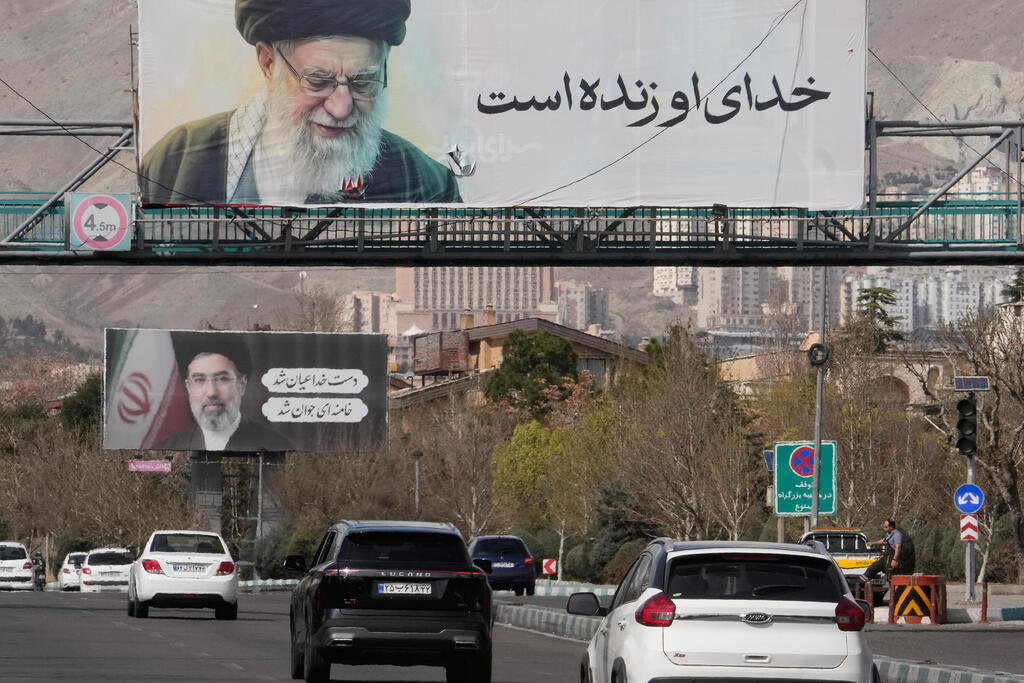
The killing of Supreme Leader Ali Khamenei — who had issued a religious ruling, or fatwa, against nuclear weapons — could empower more hardline elements pushing to revive the nuclear program. If the United States halts the war without toppling the regime, it could leave behind a more extreme leadership, with Iran’s Islamic Revolutionary Guard Corps consolidating power and intensifying domestic repression.
Global economic disruption and a contested Strait of Hormuz
Trump has said the strategic waterway would “open itself” after the war, lowering fuel prices. However, a unilateral U.S. exit could be seen as a failure to secure freedom of navigation.
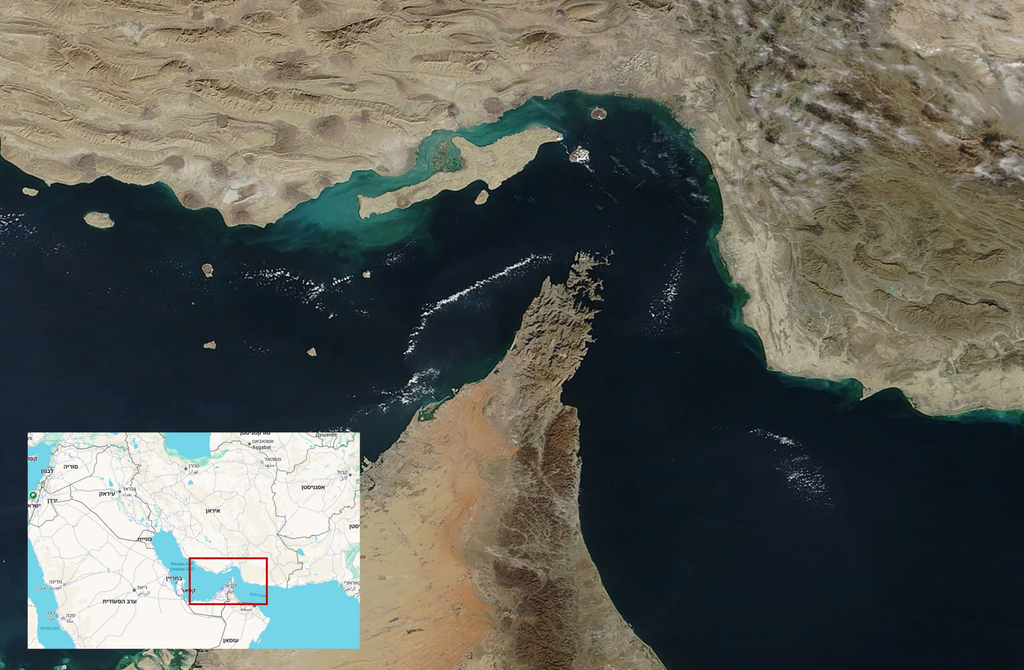
Iran could tighten its grip on the strait — a critical global oil transit route — using inspections or fees on passing ships to generate revenue and expand its influence over energy markets.
Gulf states left exposed
Iran has already strained relations with neighboring Gulf countries, carrying out direct attacks and disrupting oil shipments through the Strait of Hormuz. A rapid end to the war without a broader agreement could leave those states vulnerable to further strikes and raise doubts about U.S. security guarantees, including commitments Trump made during a recent visit to Qatar.
An open northern front, including Hezbollah
The manner of a U.S. withdrawal could also affect Israel’s next steps. Washington has previously demonstrated its ability to restrain Israeli military action, including during recent operations.
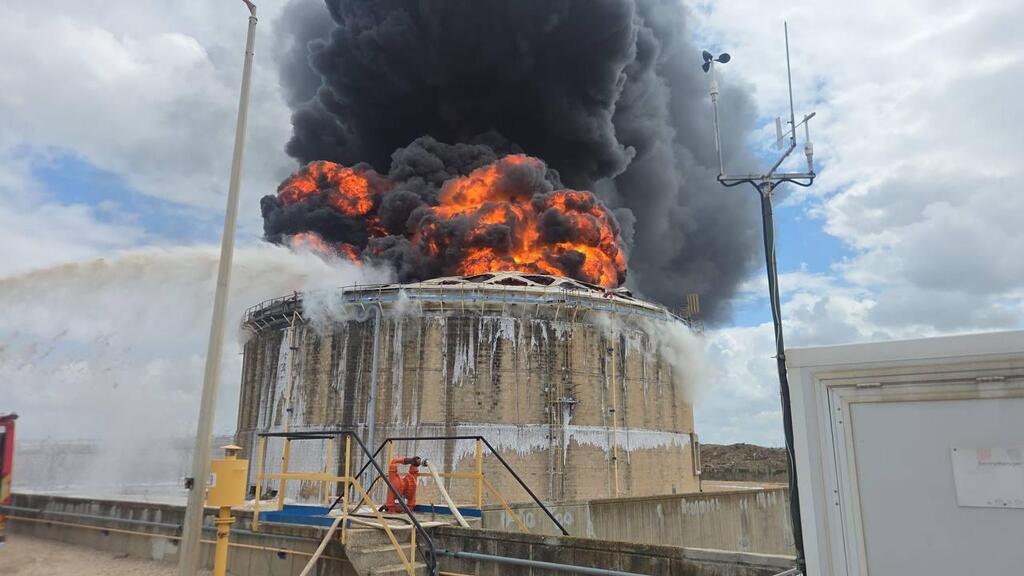
Hezbollah drone strike in Haifa
Even if Israel halts its strikes, there is no guarantee Iran will stop missile launches. After two wars within a year, Iran is expected to demand guarantees against future attacks — something unlikely to be achieved without formal negotiations.
Tehran has also stressed the need for a comprehensive agreement that would end fighting in Lebanon. A unilateral U.S. exit, analysts say, could leave that front unresolved and tensions with Israel ongoing.