

Syria has sent military advisers and training teams to Saudi Arabia to help the kingdom confront escalating attacks by Yemen's Iran-backed Houthis, according to two Syrian military sources and a senior U.S. official who spoke to Reuters. The deployment marks a significant expansion of military cooperation between Damascus and Riyadh and comes amid growing concerns that the renewed war in Yemen could draw more countries into the regional conflict.
The senior U.S. official said Syrian military advisers were traveling to Saudi Arabia to train Saudi and Yemeni units stationed inside the kingdom, drawing on years of combat experience acquired during Syria's civil war. Two Syrian military sources with direct knowledge of the operation said dozens of personnel had arrived in recent weeks. Although their immediate responsibilities involve training and military advice, the sources suggested their mission could eventually expand beyond those duties.
Gallery
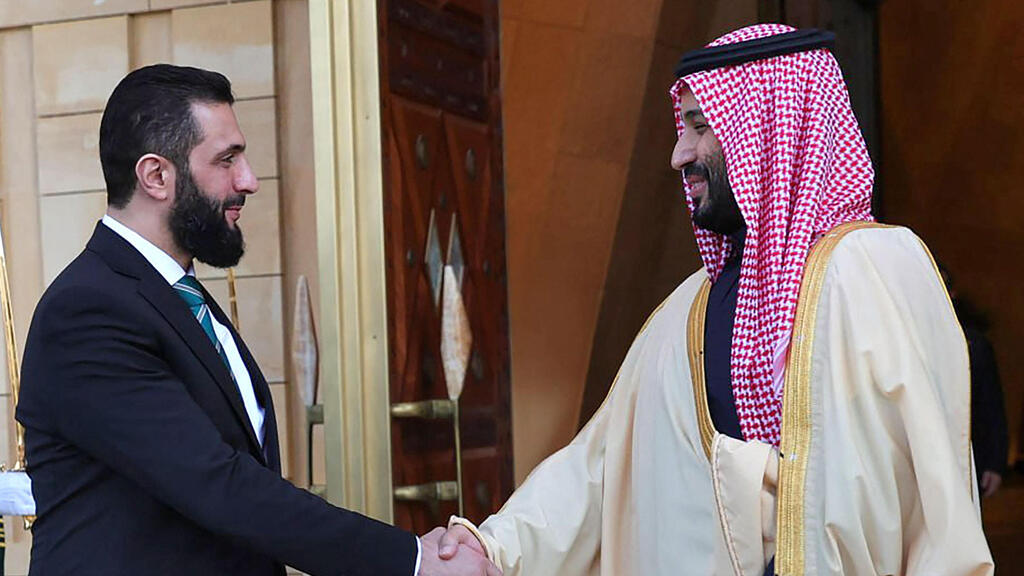
Syrian President Ahmed al-Sharaa with Saudi Crown Prince Mohammed bin Salman in Saudi Arabia
(Photo: SANA / AFP)
Saudi Arabia has been engaged in increasingly intense hostilities with the Houthis since July, when fighting in Yemen reignited against the backdrop of the wider Middle East conflict. Houthi forces have launched missiles and drones at Saudi airports and oil facilities, while Riyadh has conducted airstrikes in support of its Yemeni government allies. The escalation has prompted Saudi Arabia to seek defensive and offensive assistance from regional and international partners.
Saudi Arabia and Syria sign new defense pact
The reported Syrian deployment follows a defense cooperation agreement signed Wednesday during a visit to Riyadh by Syrian President Ahmed al-Sharaa, who met Saudi Crown Prince Mohammed bin Salman for the second time in less than a month. Although neither government initially disclosed the agreement's details, a senior Syrian diplomat confirmed that it includes military training, advisory assistance and exchanges of expertise.
The diplomat cautioned, however, that "any suggestion of military deployments at this stage is premature," stressing that Damascus remains focused on internal security, border protection and reconstruction after more than a decade of devastating civil war. The agreement "specifically includes advisory support, training and exchange of expertise," the diplomat said, leaving open the possibility of expanded cooperation in the future.
A senior Saudi official offered a somewhat different account, saying the military partnership is primarily intended to help restructure Syria's armed forces, but that Riyadh also stands to benefit from the combat experience of Syrian fighters who spent years battling militias and insurgent groups. Joint military training exercises are already underway, with additional security and defense activities planned, the official told Reuters.
Washington, meanwhile, has urged Damascus to proceed cautiously. According to the senior U.S. official, any Syrian deployment directly involving the war in Yemen could draw the country into the broader regional conflict, something Syria's new leadership has largely avoided since taking power.
Former rebels become Saudi Arabia's new military partners
The growing military partnership reflects a dramatic transformation in Syria's regional position following the overthrow of former President Bashar Assad in December 2024. Sharaa, whose rebel forces led the campaign that toppled Assad, has since developed close relations with Saudi Arabia and the United States, reversing years of Syrian alignment with Iran and its regional allies.
Syria's reconstituted military includes former rebel fighters who spent years battling Assad's forces and Iran-backed militias that intervened to support his government. Their experience in irregular warfare and confronting armed groups has become a potential asset for Saudi Arabia as it seeks more effective ways to counter Houthi forces in Yemen.
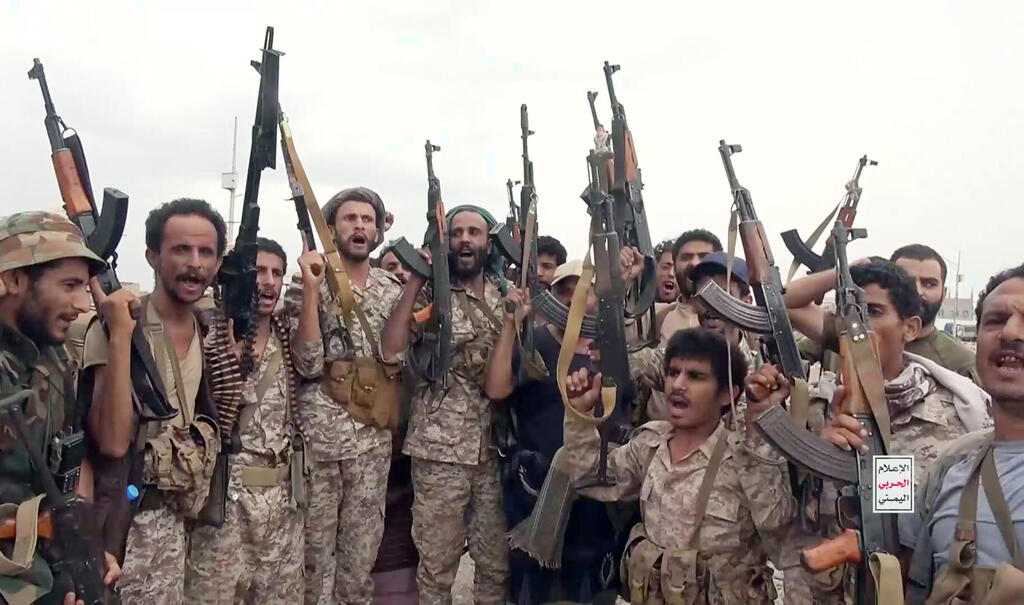
Houthi fighters in Yemen
(Photo: Mohammed Hamoud/Getty Images)
The Houthis have expanded their control over territory previously held by Yemen's internationally recognized government in some areas, although Saudi-backed forces have also made limited gains elsewhere. Their missile and drone attacks on Saudi infrastructure have increased Riyadh's urgency in securing additional military assistance. Reuters reported in October that Damascus was considering several forms of support, ranging from defensive assistance inside Saudi Arabia to a possible offensive deployment alongside Yemeni government forces.
Turkey joins broader Saudi defense alliance
The Syrian-Saudi agreement comes as Riyadh expands its regional security partnerships. On Thursday, Turkey ratified a defense pact signed in Mecca in August with Saudi Arabia and Pakistan, establishing a framework for military cooperation and potentially enabling Ankara to provide additional support to the kingdom.
The senior Syrian diplomat said the new bilateral agreement with Saudi Arabia could eventually develop into a broader defense relationship similar to the Mecca pact. Syrian Foreign Minister Asaad al-Shaibani also confirmed at a recent conference in Bahrain that discussions were underway regarding Syria's possible participation in the arrangement.
"Syria considers the security of the Arab Gulf part of regional security," Shaibani said, adding that Damascus stands alongside Gulf governments against threats from armed groups operating across national borders. The statements underscore how Syria's new leadership is positioning itself as a security partner for Gulf states after years of political and military isolation.
Saudi investment offers Syria an economic lifeline
The growing defense relationship is accompanied by substantial Saudi economic support for Syria, whose infrastructure and economy remain severely damaged by years of civil war. During Sharaa's visit Wednesday, the Saudi Fund for Development signed six agreements with Syria's Finance Ministry providing more than $403 million in concessional development loans.
The funding is intended to support development projects and essential services in a country facing reconstruction costs estimated in the hundreds of billions of dollars. The two governments also signed additional agreements covering sectors including finance and agriculture, reflecting Riyadh's growing role in Syria's economic recovery.
For Damascus, closer relations with Saudi Arabia offer financial resources, political support and a path toward reintegration into the regional economy. For Riyadh, the partnership provides access to experienced Syrian military personnel at a time when its confrontation with the Houthis has become increasingly costly and difficult to contain.
But the military dimension carries substantial risks. While Syrian advisers are reportedly already helping train forces inside Saudi Arabia, any decision to send Syrian troops into combat in Yemen would represent a far more significant commitment, potentially exposing Damascus to another war just as it struggles to recover from its own.
For now, Syria and Saudi Arabia appear to be expanding their cooperation while avoiding a public commitment to direct Syrian participation in the fighting. Whether the relationship remains focused on training and defensive assistance or develops into a broader military alliance could have significant consequences for the war in Yemen and the regional balance of power.