

The departure of the chief executive of Dubai ports giant DP World marks the most significant fallout in the Middle East from U.S. Department of Justice documents showing that disgraced financier Jeffrey Epstein sought to build a powerful network of political and business contacts across the region.
DP World said Friday that Sultan Ahmed bin Sulayem had resigned as chief executive and chairman. Two sources with direct knowledge of the matter told Reuters that the decision followed the appearance of his name in files related to Epstein, as scrutiny intensified over his past relationship with the late convicted sex offender.
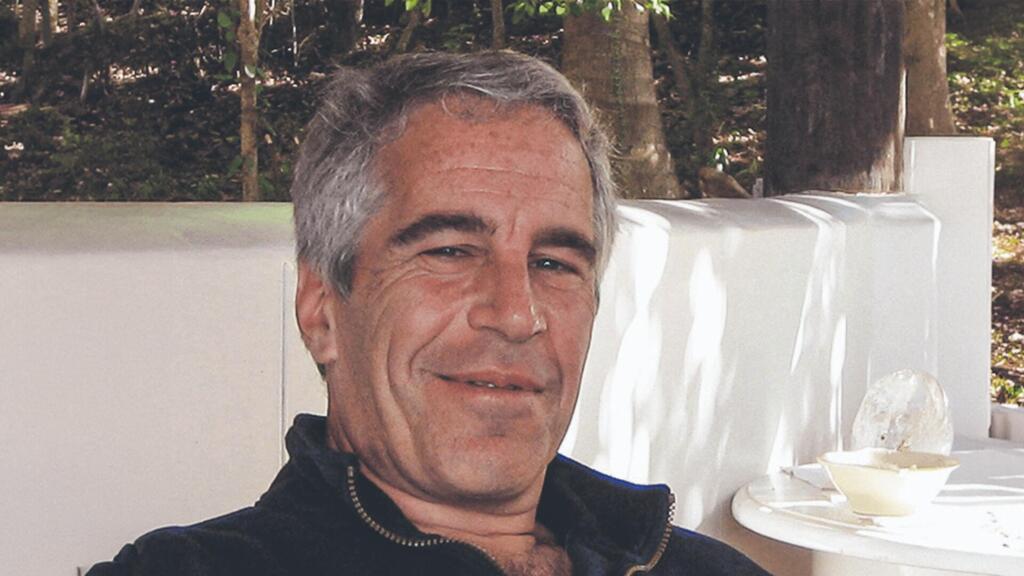
In correspondence reviewed by Reuters, bin Sulayem discussed personal relationships with women Epstein had introduced him to. In a Nov. 9, 2007 email, bin Sulayem told Epstein he had met one such woman in New York but did not have sex with her.
Dubai’s ruler also issued a decree Friday appointing a new chairman of Dubai’s Ports, Customs and Free Zone Corporation, one of several positions bin Sulayem held.
Reuters independently reviewed some of the documents relating to bin Sulayem but could not determine precisely what led to his departure. Bin Sulayem did not respond to requests for comment. DP World declined to comment.
Investor reaction
Being named in the files is not evidence of criminal wrongdoing. However, after members of the U.S. Congress said bin Sulayem’s name appeared in documents released by the Justice Department, some of DP World’s financial backers raised concerns about his past interactions with Epstein.
The UK development finance agency British International Investment and Canadian pension fund La Caisse said last week they would suspend new investments with DP World over alleged ties to Epstein.
“We are shocked by the allegations emerging in the Epstein files regarding Sultan Ahmed bin Sulayem,” a spokesperson for British International Investment said, without specifying the allegations. The agency said it would not make new investments until appropriate actions were taken.

Sultan Ahmed bin Sulayem
(Photo: Reuters)
La Caisse said it was “pausing additional capital deployment” alongside the company until the situation was clarified and necessary steps were taken.
Following Friday’s leadership changes, both investors welcomed DP World’s decision. British International Investment said it looked forward to continuing its partnership, particularly on African port projects. La Caisse said the company had taken appropriate measures and that it would work with DP World’s new leadership to continue joint projects.
Regional contacts
The cache of Justice Department documents, including emails and text messages, also illustrates Epstein’s efforts to cultivate relationships with prominent figures in the Middle East, as he did globally in politics, finance, academia and business.
Reuters could not determine how successful Epstein was in influencing his contacts or whether his advice was followed.
Documents reviewed by Reuters show Epstein sought to advise Qatari business leaders and political figures during the 2017–2021 blockade of Qatar by Saudi Arabia, the United Arab Emirates, Bahrain and Egypt. In exchanges with Sheikh Jabor Yousuf Jassim Al Thani, a businessman and member of Qatar’s ruling family, Epstein urged Doha to ease tensions and described Qatar’s leadership team at the time as weak.
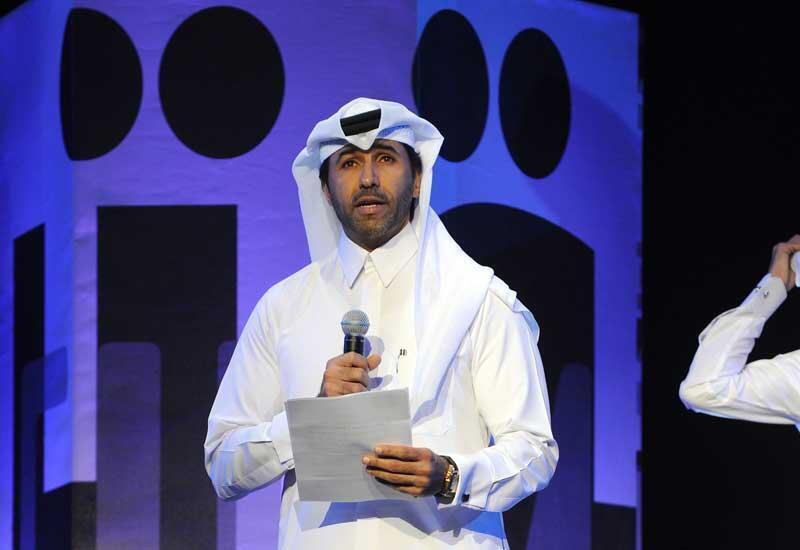
Sheikh Jabor Yousuf Jassim Al Thani
Qatar’s International Media Office declined to comment. Reuters received no response to requests for comment from companies chaired by Sheikh Jabor.
Epstein also suggested Qatar forge closer ties with Israel during Donald Trump’s first term as U.S. president, either by moving toward recognizing Israel or pledging $1 billion to a fund for victims of terrorism. Qatar ultimately maintained its course, and ties with blockading states were restored in 2021.
Saudi Aramco and Egypt
Epstein also discussed Saudi Aramco’s initial public offering in numerous emails. In a 2016 exchange, he warned that a public listing could expose Saudi Arabia to lawsuits and asset seizures. In a 2017 email, he proposed selling China an option to acquire a $100 billion stake in Aramco instead of pursuing a traditional IPO. Saudi Aramco declined to comment.
The documents further show outreach related to Egypt. Emails include a request in 2011 from a family member of former President Hosni Mubarak seeking assistance following his ouster and legal troubles. The documents do not specify what assistance was requested, and Reuters could not establish whether Epstein intervened. Representatives for Gamal Mubarak did not respond to requests for comment.
Overall, the documents underscore the breadth of Epstein’s attempts to cultivate influence in the Middle East. However, the extent to which those efforts translated into tangible political or business outcomes remains unclear.