

Two controversies that erupted over the past 24 hours involving the Pentagon and the U.S. Navy are raising new questions about the Trump administration’s influence over military institutions and how they present themselves to the public.
On one front, the Navy is considering renaming an aircraft carrier intended to honor one of the most prominent Black American heroes of World War II, with President Donald Trump’s name among the options under discussion. At the same time, the Defense Department has issued dismissal notices to three senior officials at the military newspaper Stars and Stripes, which has been known for decades for its editorial independence.
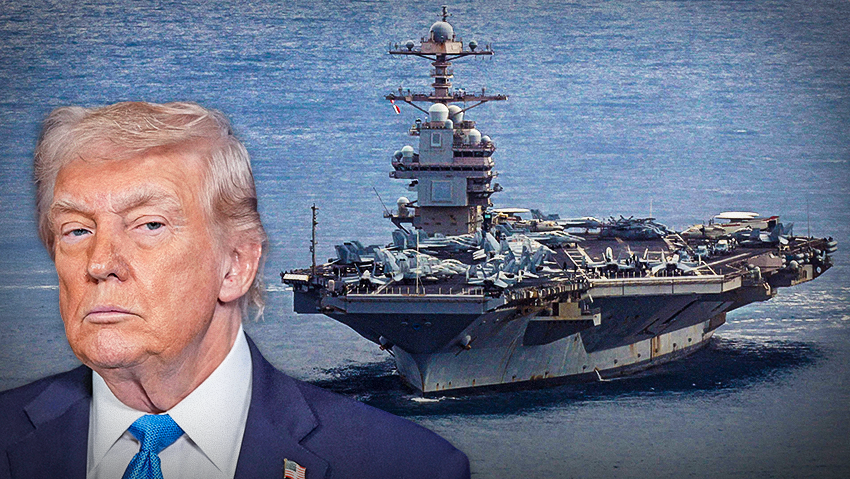
According to CNN, the U.S. Navy is considering changing the name of the nuclear-powered aircraft carrier CVN-81, which is still under construction and was to be called the USS Doris Miller. Three sources familiar with the internal discussions told the network that a review of the ship’s name is already underway, and two said there have been discussions about naming the carrier after Trump. If the move takes place while Trump is still in office, it would be unprecedented: No U.S. aircraft carrier has ever been named for a sitting president.
The original decision to honor Doris “Dorie” Miller was itself historic. In 2020, during Trump’s first term, the Navy announced that the new aircraft carrier would be named for Miller, who would become the first Black enlisted sailor to have an aircraft carrier named in his honor and the first enlisted service member to receive that distinction.
In recent months, according to CNN, the Navy has effectively stopped using the name USS Doris Miller in documents and internal discussions, referring to the ship only by its hull number, CVN-81. A recent White House memorandum concerning the carrier also referred to it only by number.
The Pentagon has not announced a final decision. A Defense Department spokesperson told CNN there was nothing to announce at this time. At the same time, the Navy is considering naming another vessel after Miller and recommending that he be posthumously awarded the Medal of Honor, the highest U.S. military decoration. A grandnephew of Miller said the family had not been informed that the carrier’s name might be changed.
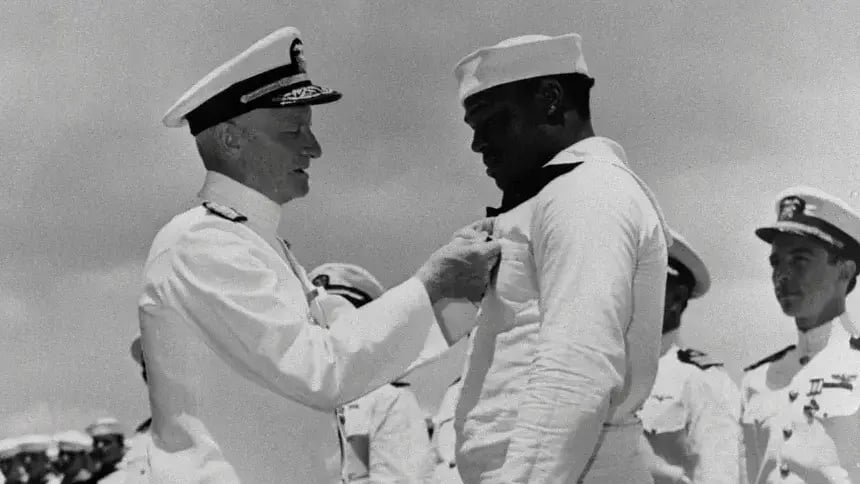
Doris Miller receives the Navy Cross, becoming the first Black American to receive the decoration
(Photo: Bettmann Archive/Getty Images)
Miller enlisted in the Navy in 1939, at a time when opportunities for Black service members were restricted because of racial segregation. During the Japanese attack on Pearl Harbor on Dec. 7, 1941, he was serving aboard the battleship USS West Virginia. During the assault, he helped move his wounded commanding officer and then took control of an anti-aircraft machine gun, despite having no training in its use, and fired at Japanese aircraft.
For his actions, Miller was awarded the Navy Cross in 1942, becoming the first Black American to receive the decoration. He was killed in November 1943 when the carrier on which he was serving was struck by a Japanese torpedo during the Battle of Makin.
The possible renaming therefore carries an ironic dimension: It was during Trump’s first term that the decision was made to name the carrier for Miller. The announcement came on Martin Luther King Jr. Day in January 2020 at a ceremony intended to highlight the contributions of Black Americans to the military.
The proposal was also brought to the attention of the White House and Congress and drew no opposition. At the time, the Navy presented the choice as a historic milestone: the first aircraft carrier named for a Black American and the first named for a sailor honored for actions performed while serving in the enlisted ranks.
The carrier that was intended to commemorate Miller belongs to the Gerald R. Ford class, and its keel-laying ceremony, marking a major stage in the ship’s construction, is expected later this year. Because of delays in the military shipbuilding industry, it is not expected to be delivered to the Navy until 2034.
The reconsideration of its name comes as part of a broader Pentagon debate over the names of bases and vessels. Defense Secretary Pete Hegseth has led a series of moves since Trump returned to the White House to rename installations and ships that he said reflected diversity and inclusion policies.
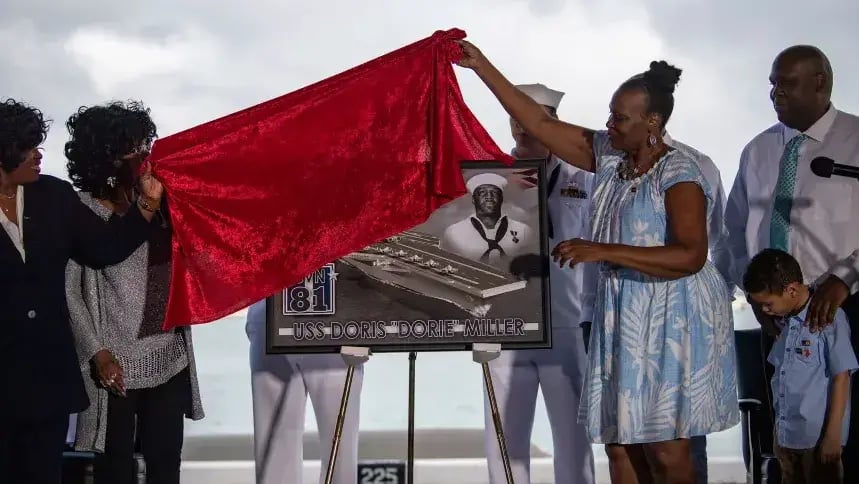
Miller's family members unveil a plaque honoring the future aircraft carrier in January 2020; it is no longer certain the ship will bear his name
(Photo: Mass Communication 2nd Class Justin R. Pacheco/US Navy)
The possible name change is not Trump’s only intervention involving this particular carrier. Just last week, on Aug. 13, the president signed a memorandum directing the Pentagon to prepare a plan to replace the electromagnetic launch systems planned for CVN-81 with steam catapults of the type used on earlier generations of aircraft carriers, and to replace electromagnetic weapons elevators with hydraulic systems.
The move drew opposition from Democratic senators, including former Navy pilot and astronaut Mark Kelly, who warned of additional costs and project delays and argued that such engineering decisions should not be based on the president’s personal preferences.
U.S. presidents are no strangers to the decks of aircraft carriers: Ships have been named for Ronald Reagan and George H.W. Bush while they were still alive, and in 2025 it was decided that the two carriers to be built after CVN-81 would be named for Bill Clinton and George W. Bush. But all were former presidents.
If CVN-81 is named for Trump while he remains in the White House, it would mark the first time a U.S. aircraft carrier has been named for a sitting president.
‘A red line’: Three senior Stars and Stripes officials on the way out
Alongside the controversy over the aircraft carrier, another front opened over the past day between the Pentagon and the press corps covering the U.S. military.
Dismissal notices were issued Friday to Stars and Stripes publisher Max Lederer, editor-in-chief Erik Slavin and Middle East correspondent Lara Korte. The stated reason was “insubordination.” According to CBS and CNN, the decision was linked in part to interviews Slavin and Korte gave to CBS in which they criticized the possibility of Pentagon interference in the newspaper’s content.
Stars and Stripes, which is partly funded by the Defense Department but has enjoyed editorial independence for decades, primarily serves U.S. service members and their families around the world. Its roots date to the Civil War, and over the years it has covered wars, military deployments and service conditions, often critically examining both military and political leadership.
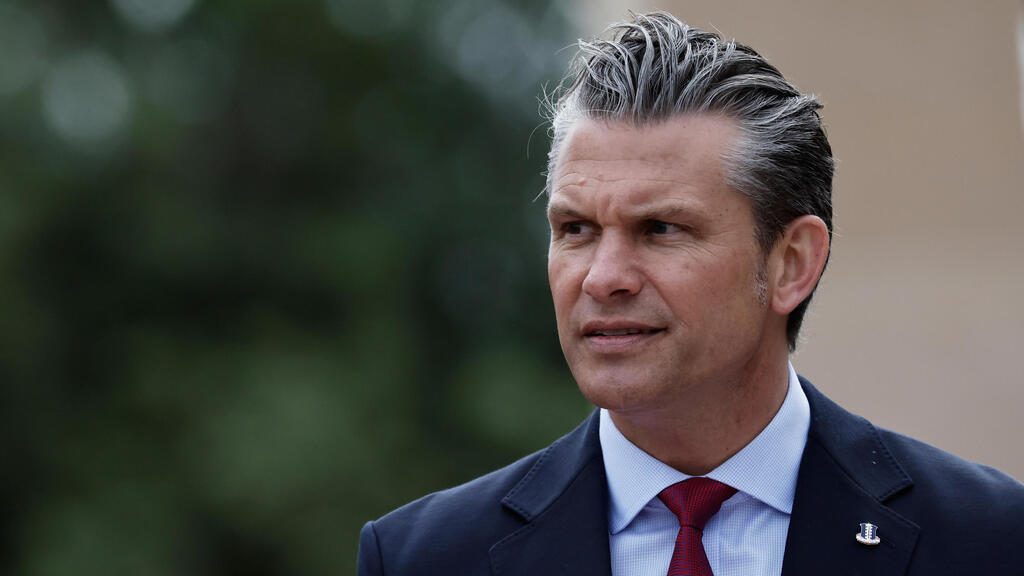
Hegseth; in recent months, he has imposed new restrictions on reporters' access to the Pentagon
(Photo: Jeremias Gonzalez/AP)
Slavin said he was told he was being dismissed because of remarks he made in an interview in which he described censorship of news intended for service members as a “red line.”
He said he stood by the principle that the newspaper must remain editorially independent, an independence he said is required both by law and Defense Department policy. In an interview with CBS, he said that if the Pentagon were to demand that the newspaper withhold an accurate report and instead publish text written by the Defense Department, that would cross a line that should not be crossed.
Korte, who in recent months has covered the war in Iran and U.S. military activity in the region, said she works for Stars and Stripes — “not for the Pentagon, not for any administration, not for any policymaker.”
After receiving her dismissal notice, she called the move “a shame for the institution and service members, who swore to defend the Constitution and deserve the right to a free and independent press.”
Lederer, who served as publisher for 19 years and worked at the newspaper for more than three decades, had already announced before the dismissals that he would retire at the end of September.
In a message to employees, he wrote that it had become clear to him that “my philosophy of leadership, and my understanding of the value and mission of Stars and Stripes, differ in fundamental ways from the direction the leadership of the Department of Defense has for the organization.”
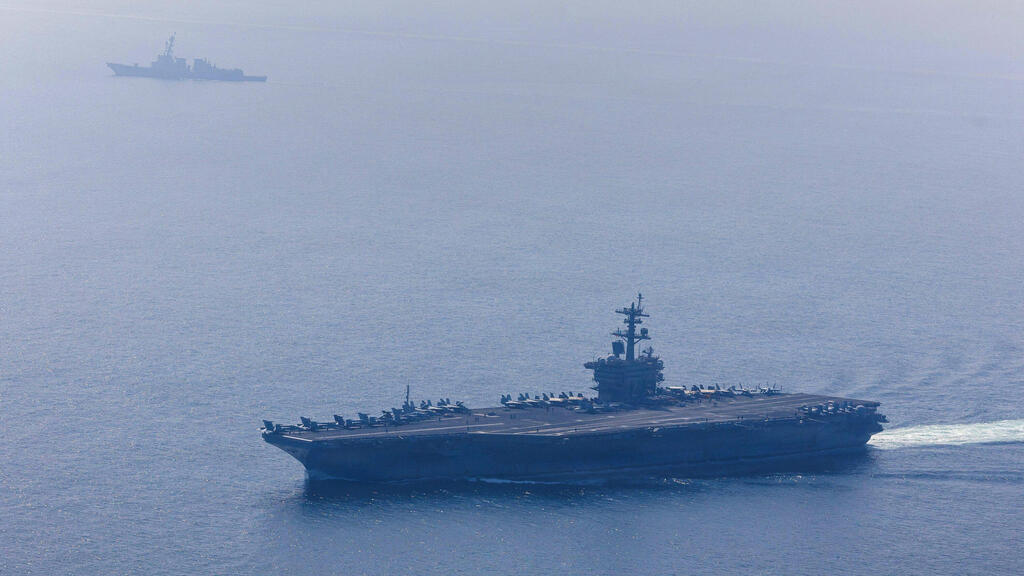
The USS Abraham Lincoln; reports raised concerns about crew members' mental health and incidents of self-harm
(Photo: U.S. Navy/Reuters)
Tensions intensified after the Pentagon appointed Navy Capt. Bill Urban to a new role as military deputy to the publisher. The appointment of an active-duty officer to a senior position in a news organization that is supposed to operate independently also raised concerns in Congress.
Several Democratic senators wrote to Hegseth, arguing that placing an active-duty public affairs officer in the leadership of an organization whose credibility depends on independence from the chain of command “raises serious questions.”
Urban, for his part, said he had received assurances from Pentagon leadership that editorial independence would be preserved and presented a plan to “modernize” the newspaper and expand its digital operations.
But behind the term “modernization” are changes far broader than a shift in format. A Pentagon memorandum issued in March said Stars and Stripes would reduce its use of wire services and eliminate comics and purchased content from outside organizations, and that its content should be consistent with “good order and discipline,” a term drawn from military law.
The memorandum also gave the Pentagon press office a broader oversight role, recommended publishing material produced by Defense Department public affairs personnel and barred Stars and Stripes reporters from filing Freedom of Information Act requests as part of their official duties.
The confrontation also follows reports by Stars and Stripes and Military Times on difficult conditions aboard the USS Abraham Lincoln during its prolonged deployment in the Middle East because of the war in Iran.
Those reports included concerns about the mental health of crew members and incidents of self-harm. Trump, Hegseth and senior Navy officials rejected or played down the reports.
The carrier began its journey back to the United States this week after a deployment lasting about nine months. It has been replaced in the Middle East by the USS George Washington.
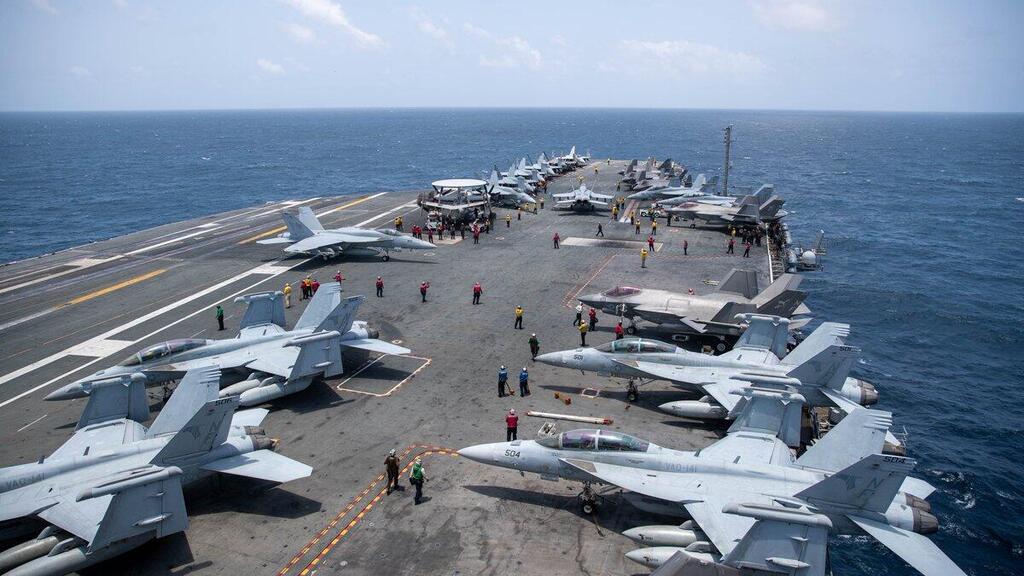
The USS George Washington, which has arrived in the Middle East
(Photo: CENTCOM)
The dismissals are the latest chapter in an already strained relationship between Pentagon leadership and the press.
In recent months, Hegseth has imposed new restrictions on reporters’ access to the Defense Department complex, and the Pentagon has become involved in legal battles over press rules.
Earlier this year, Jacqueline Smith, the Stars and Stripes ombudsman, was also dismissed. Her role included protecting the newspaper’s independence. She later said her removal was part of a broader Pentagon effort to tighten control over military coverage.
Smith’s position was not merely an editorial one: Congress created it in the early 1990s specifically to safeguard the newspaper’s independence following concerns about attempts by military officials to suppress negative reporting, including in connection with the Iran-Contra affair.
Smith reported directly to the congressional armed services committees until the Pentagon dismissed her in April. In June, a federal lawsuit was filed against the Defense Department alleging that its actions against the newspaper violated the law and undermined its independence.