

Following the return of all remaining hostages from Gaza this week and the burial of the last captive, Sgt. First Class Ran Gvili, the United Nations Special Rapporteur on Torture Alice Edwards offered a sweeping assessment of the October 7 Hamas-led massacre and the months-long captivity of Israelis and foreign nationals in Gaza.
In an interview with the Dutch newspaper De Volkskrant, Edwards described the abduction of 251 people by Hamas and other Palestinian armed groups as “one of the largest mass kidnappings in modern history,” comparing it to the 2014 abduction of schoolgirls in Nigeria by Boko Haram. She called the October 7 attack “one of the most severe and wide-scale hostage crises ever recorded.”
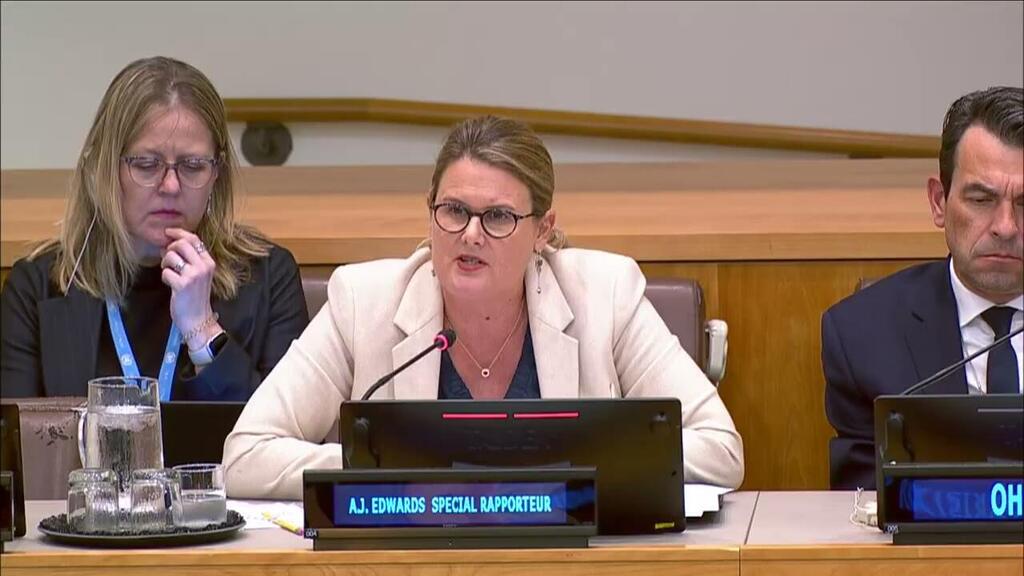
Edwards, an Australian human rights lawyer who has served as the UN’s Special Rapporteur on Torture since August 2022, visited Israel after the October 7 assault and toured several of the devastated communities near the Gaza border. She was among the first international figures to condemn the attack and call for the release of the hostages.
She emphasized that her work is rooted in “fact-based truth-seeking without political agendas,” noting that she has criticized both Israel—over alleged mistreatment of Palestinian detainees in Israeli prisons—and Hamas for its treatment of hostages in Gaza. In both cases, she said, those responsible have yet to respond meaningfully to her findings.
Calling the Hamas attack “a well-coordinated and orchestrated assault” by land, sea and air, Edwards said it included summary executions, torture and extreme forms of violence. “The objective was to inflict maximum harm by any means necessary,” she said.
She described atrocities committed on the day of the assault itself, including civilians being burned alive, locked in their homes, shot in their genitals and subjected to sexual violence and rape, among them individuals fleeing the Nova music festival. “Every type of violation occurred that day,” she said, classifying the crimes as crimes against humanity.
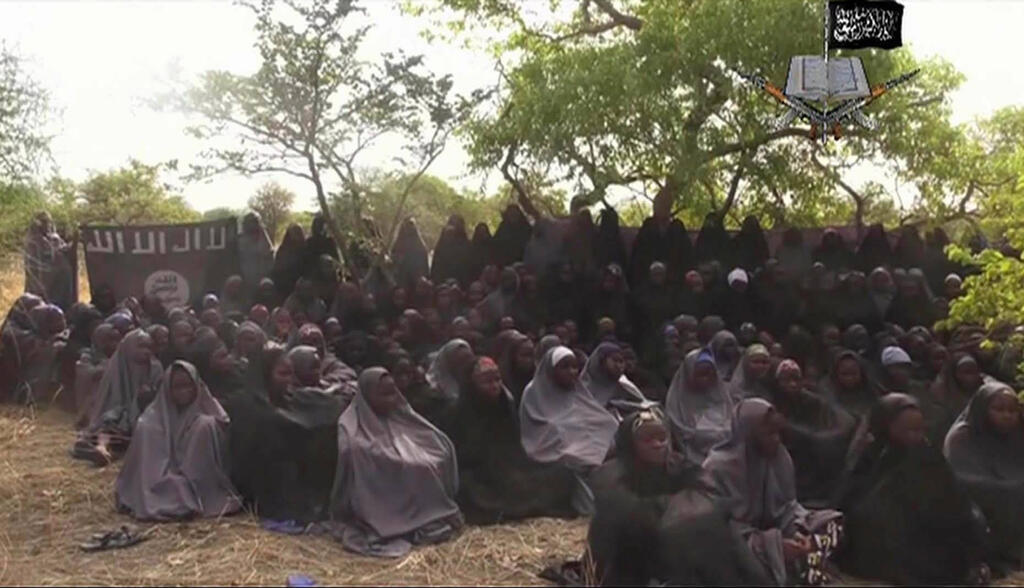
Schoolgirls kidnapped by Boko Haram in Nigeria
(Photo: AP)
Still, Edwards said the core of her mandate centers on what happened in the months that followed: the prolonged captivity of hostages in Gaza. “About a third of the hostages did not return alive,” she noted. “The abductions themselves represent a grave breach of international law and are typically accompanied by torture and inhumane treatment.”
According to Edwards, hostages were subjected to severe food deprivation, starvation conditions and extreme exhaustion. “The daily struggle for food is torture in and of itself,” she said. “They were held without light, ventilation or bedding; none of the minimum standards for detention under international law were met.”
Testimonies from survivors indicate many endured sexual abuse, including humiliation, coerced sexual acts and constant surveillance, even during private moments. Just this week, former hostage Sasha Troufanov testified about the sexual harassment he endured while in captivity. “The daily fight to preserve physical and mental integrity was horrifying,” Edwards said.
Edwards said one of the most severe aspects of the hostage ordeal in Gaza was the psychological torment: total isolation, complete dependency on captors and an overwhelming sense of uncertainty. “Under international law, 15 days without contact with the outside world is considered torture. In this case, we’re talking about many months,” she said. “The hostages lived in an absolute vacuum, not knowing whether they would survive, whether their families were alive or whether the world even knew what had happened to them.”
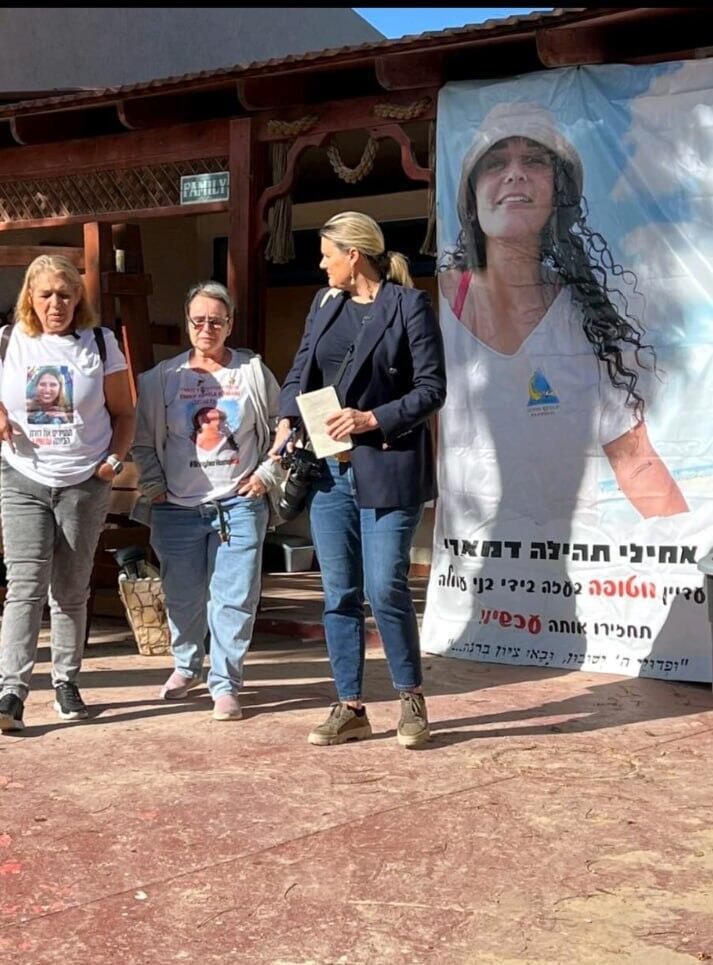
Edwards with hostage families in southern Israel
(Photo: UN)
Edwards added that the captives were held in what she described as a “legal black hole,” with no access to the International Committee of the Red Cross and no international oversight, a situation she said is also present in some Israeli detention facilities holding Palestinian prisoners.
Addressing the post–October 7 public discourse, Edwards noted that conflicting reports and misinformation undermined efforts to uncover the truth. “We must avoid rushing to conclusions, especially after traumatic events. Propaganda can cast doubt even on reliable information. Truth-seeking must be cautious, evidence-based and supported by multiple testimonies,” she said.
On the issue of sexual violence, Edwards emphasized that even a single instance of sexual assault committed during a widespread attack could constitute a crime against humanity. “There is no need for mass-scale rape to establish such a crime,” she explained.
She also stressed the importance of rehabilitation for both the hostages and their families. “Every victim of torture is entitled to dignified treatment, support and help rebuilding their lives. Family members, especially children, are also victims. The uncertainty, prolonged anxiety and struggle to bring loved ones home leave deep scars,” she said.
In March, Edwards is expected to present her findings to the UN Human Rights Council as part of a broader report by the organization’s 58 special rapporteurs.
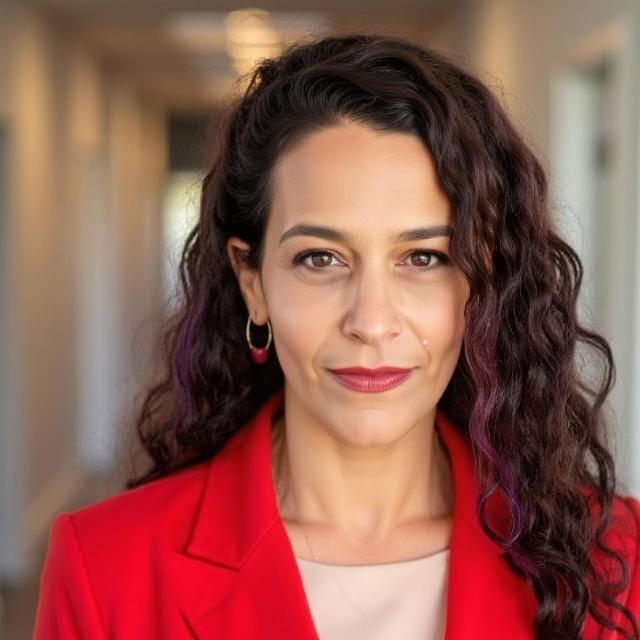
Ayelet Razin Bet-Or
Her remarks come against the backdrop of a separate report submitted to her in September by Israeli attorneys Ayelet Razin Bet-Or and Sigal Avnon Switzky. Since October 7, Razin Bet-Or has focused on documenting and gaining recognition for the sexual violence committed during the massacre and in captivity.
The report, the first of its kind, offers a legal and structural framework for understanding the torture experienced by hostages in Gaza. It outlines patterns of abuse including physical violence, sexual assault, starvation, deprivation of liberty and psychological terror, presenting them not as isolated incidents but as part of a systematic method.
Its findings point to a highly organized infrastructure: detention facilities, role assignments, guard rotations and widespread involvement, raising the events to the level of international crimes. The report also uncovered a systemized torture apparatus involving dozens, possibly hundreds, of individuals. Torture was not carried out by lone actors but required broad human infrastructure: tunnel builders, rotating guards, logistics personnel, overseers and in some cases even family members, evidence of deep systemic and societal complicity.