

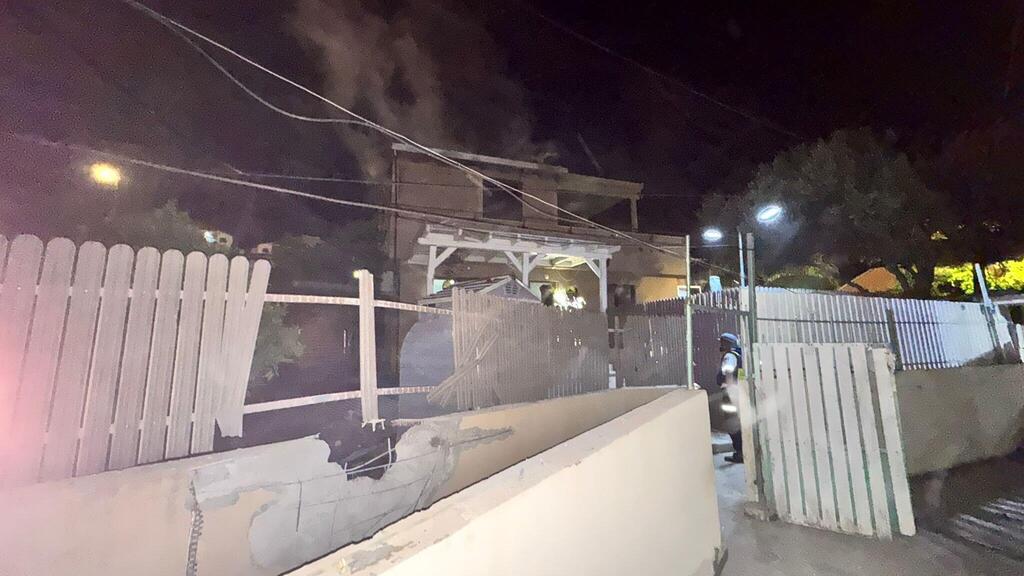
Missile fire from Lebanon continued overnight into northern Israel, triggering sirens in Safed and communities across the Galilee, as fighting along the northern border showed no sign of easing despite a ceasefire with Iran entering its fourth day.
Hezbollah maintained its attacks toward Israel’s north following earlier strikes in Kiryat Shmona and interceptions reported over Acre and Karmiel. Israeli forces remain engaged in Lebanon, where an IDF reservist non-commissioned officer was seriously wounded by an explosive drone strike.
At the same time, reports from Gaza indicated casualties in an Israeli strike. Medical teams in the enclave said at least six people were killed and others wounded after the Israeli military targeted a police checkpoint in the Bureij refugee camp in central Gaza, according to Reuters.
Amid the regional tensions, U.S. intelligence assessments indicate that Iran still retains a significant missile capability. According to a report in The Wall Street Journal citing American officials familiar with the latest intelligence, Iran continues to possess thousands of ballistic missiles and retains the ability to reactivate launchers stored in underground facilities.
Officials said more than half of Iran’s missile launchers were destroyed, damaged or buried during the war, and that its overall missile stockpile has been reduced by roughly half. Still, Iran is believed to maintain thousands of short- and medium-range ballistic missiles that can be deployed from concealed or underground sites.
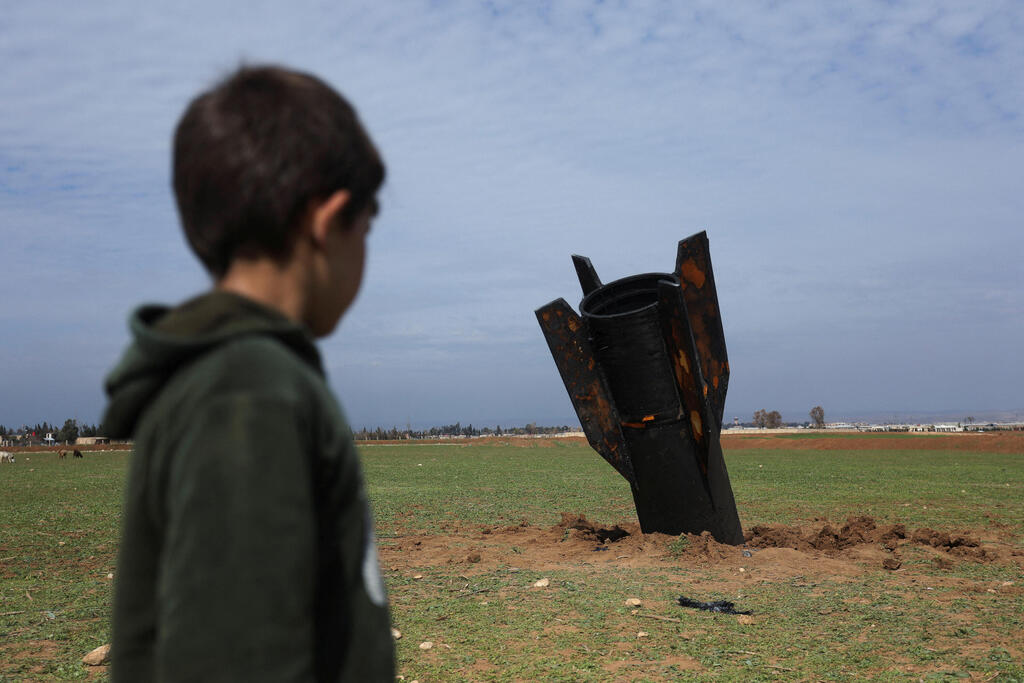
Part of an Iranian missile that fell in Syria
(Photo: Orhan Qereman/Reuters)
U.S. officials also noted that Iran now holds less than half of its initial inventory of loitering munitions, after extensive use during the conflict and strikes on its production infrastructure by the United States and Israel. However, they warned that Tehran could acquire similar systems from Russia. Iran is also believed to retain a limited number of cruise missiles capable of targeting vessels in the Persian Gulf or U.S. forces in the region if negotiations collapse. Concerns are growing in Washington that Iran could use the current ceasefire to rebuild parts of its missile arsenal.
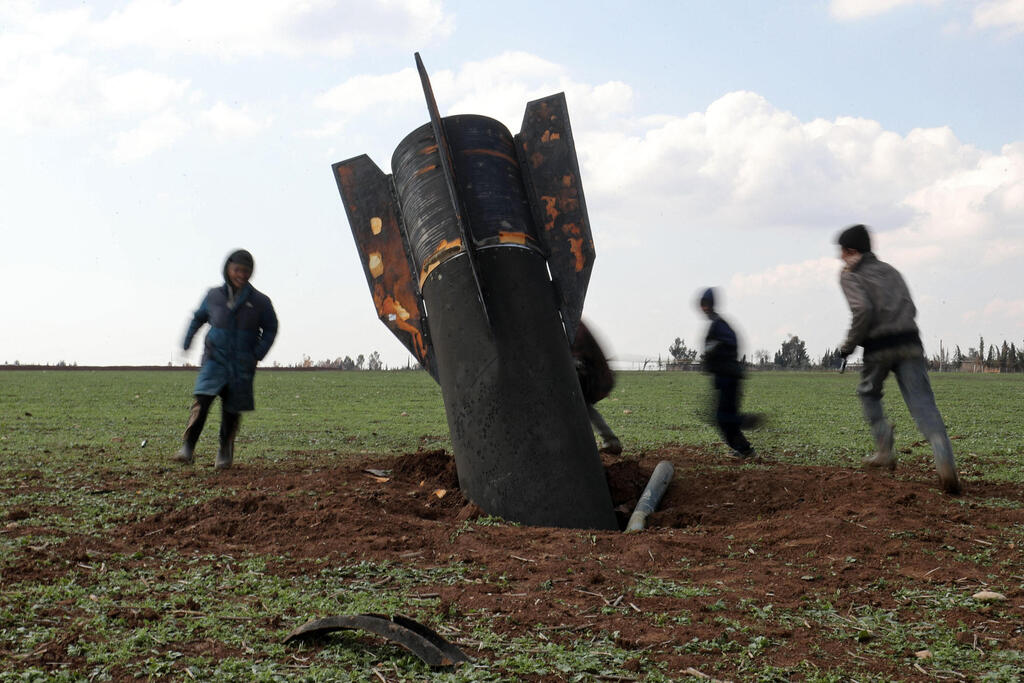
An Iranian missile that fell in Qamishli, Syria
(Photo: Delil SOULEIMAN / AFP)
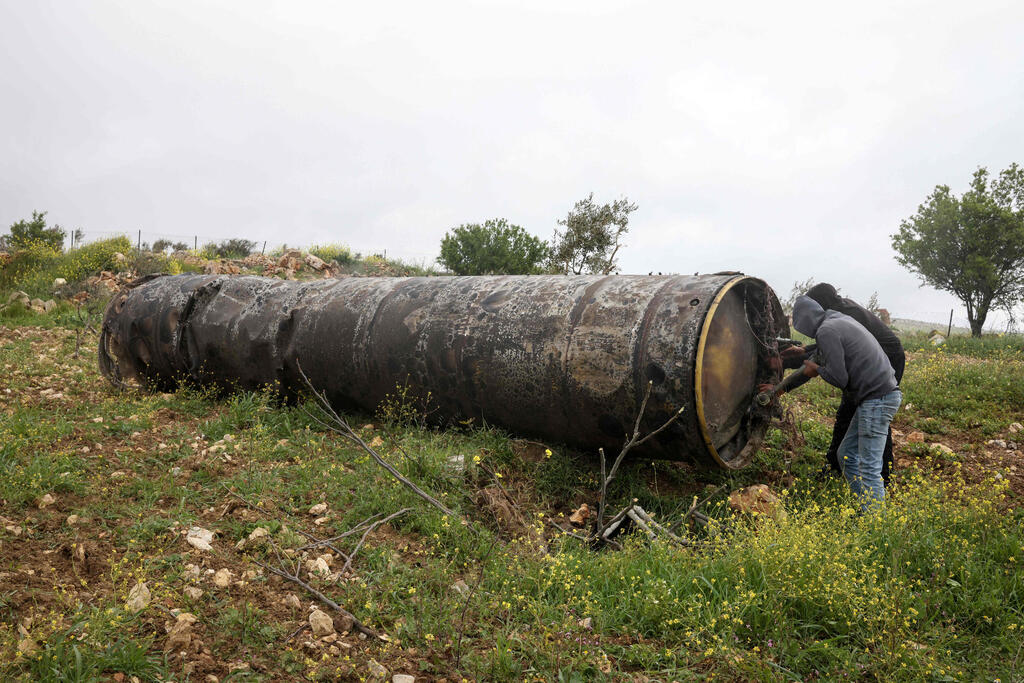
A fragment of a missile that fell in the village of Beitin
(Photo: Zain JAAFAR / AFP)
The Trump administration is also expected to raise the issue of detained Americans as part of the negotiations. According to a report in The Washington Post citing officials briefed on the plans, the United States intends to request the release of American citizens held in Iran during talks aimed at ending the war. It remains unclear how aggressively Washington will press the demand, and some officials expressed concern that if negotiations prove difficult, the issue could be sidelined. At least six Americans are believed to be detained in Iran, and their relatives have expressed hope they could be freed as a “goodwill gesture” by Tehran, despite expectations they are being used as leverage in future talks.
Diplomatic efforts are underway to prevent further escalation. An Iranian delegation led by Parliament Speaker Mohammad Bagher Ghalibaf and Foreign Minister Abbas Araghchi arrived in Islamabad ahead of potential talks with the United States. Iranian state media reported that the delegation is expected to meet Pakistani Prime Minister Shehbaz Sharif, and that negotiations with Washington could begin later Saturday if Tehran’s preconditions are met.
Iranian Parliament Speaker Mohammad Bagher Ghalibaf and Foreign Minister Abbas Araghchi arrived together in Islamabad ahead of talks with the United States


From the U.S. side, Vice President JD Vance is expected to lead the talks, alongside Jared Kushner, a senior adviser to President Donald Trump, and special envoy Steve Witkoff. Ghalibaf was quoted in Iranian media as saying that Iran has “good intentions, but no trust in the United States.” Sharif described the moment as critical, saying, “It is now or never.”
President Trump said overnight that the Strait of Hormuz would reopen soon regardless of developments, signaling confidence in stabilizing a key global shipping route. Meanwhile, the United States is reportedly reinforcing its military presence in the region as tensions remain high across multiple fronts, from Lebanon and Gaza to the Persian Gulf.
In a rare diplomatic channel, the Lebanese and Israeli ambassadors to the United States held talks and are expected to meet again on Tuesday, in what could signal limited efforts to contain the conflict even as hostilities continue on the ground.
First published: 03:44, 04.11.26