


“The mission of our engineering forces is to reach every area that provides control and hold it to prevent Hezbollah fire toward communities in the north,” Lt. Col. Y., commander of the 601st Battalion under the 162nd Division, said, describing ongoing IDF operations in southern Lebanon.
“We are seizing forward areas to control fire, mapping Hezbollah infrastructure and what remains in the area, and destroying it. We move site by site using engineering tools,” he added.
IDF forces in southern Lebanon
(Video: IDF)


Operations in southern Lebanon are focused on two main efforts: first, maneuvering forces are pushing Hezbollah operatives deeper beyond the Litani River and past anti-tank missile range in order to reduce fire toward communities along the northern border. Second, forces — including Lt. Col. Y.’s battalion — are demolishing structures and sites identified as having been used for attacks.
“We are dealing with two main types of areas,” he said. “Open terrain, where Hezbollah operatives dug into rock to create infrastructure for staying, hiding and storing weapons.”
He said these underground areas are not as deep as those found in Gaza but can reach up to 100 meters and contain large quantities of weapons, including RPGs, assault rifles, explosives, anti-tank missiles and launchers, mainly for mortars and rockets.
Forces also found large amounts of logistical supplies, including water, canned food, bread, preserved goods and even fresh fruits and vegetables.
“There are also sleeping bags and rain covers — everything needed for long stays in the field, for weeks or months,” he said. “Hezbollah clearly prepared to use these areas as part of efforts to target maneuvering forces. We also found maps and binoculars.”
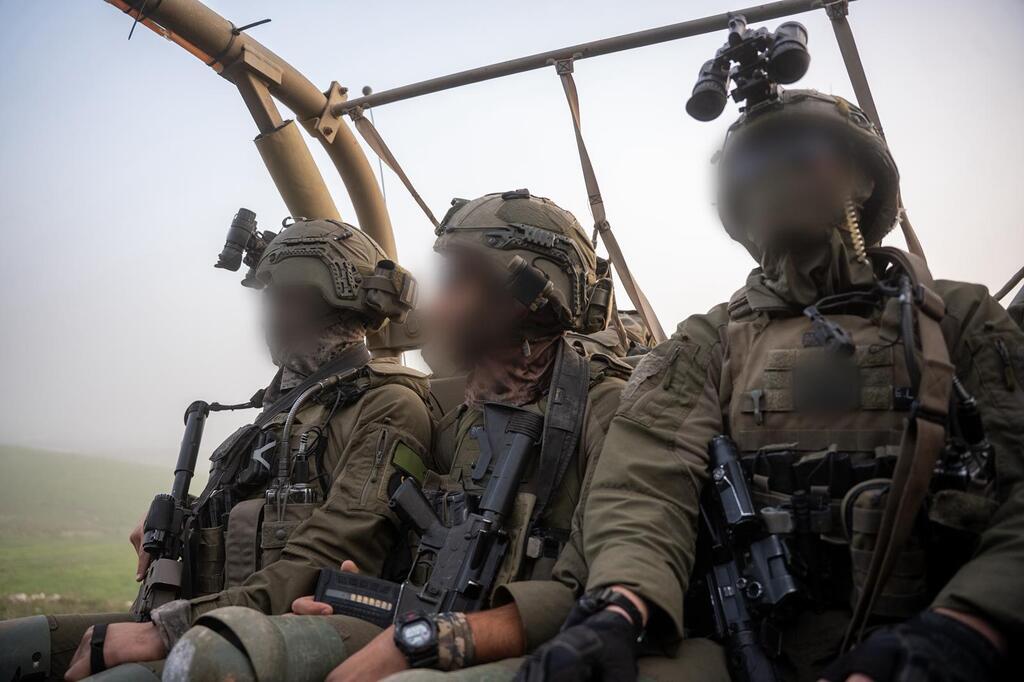
In addition to open areas, Hezbollah infrastructure was found inside homes in villages along the first, second and third lines from the border, which the IDF says pose a direct threat to northern communities.
“We have destroyed nearly 500 different sites — both homes and caves. We are working at a very high pace,” Lt. Col. Y. said. “We are finding weapons, drones, vests and ammunition in very large quantities.”
After infantry forces raid targets, engineering units move in to complete the destruction. Unlike Gaza, where terrain allows easier use of heavy equipment, operations in southern Lebanon are more complex.
“The topography here is very significant. It makes things much harder, but we are operating,” he said. “So far we have opened nearly 20 kilometers of routes across southern Lebanon.”
Forces have also uncovered weapons inside residential buildings.
“Just a few days ago we reached a certain area and in a child’s bedroom we found two rifles, sniper weapons, vests and magazines. In the living room and closets there was a large amount of weapons,” he said. “These appear to be civilian homes, but they are not.”
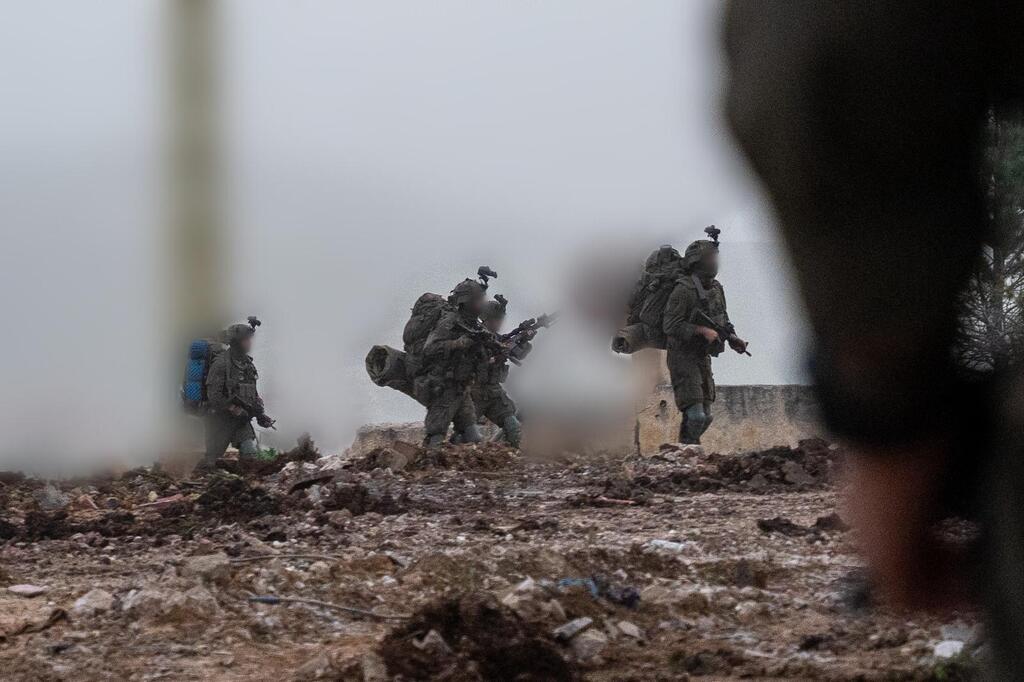
(Photo: IDF)
According to the IDF, Hezbollah operatives are showing reduced motivation following heavy blows dealt during recent fighting. Many are avoiding engagement, and there appears to be a disconnect between leadership in Beirut and operatives in southern Lebanon.
In the coming days, Northern Command is expected to present political leaders with an operational plan to control the first line of villages as part of a deeper security zone extending to anti-tank missile range, aimed at stopping fire toward border communities.
As part of the plan, legal opinions have been prepared to allow for the demolition of buildings considered a threat. The goal is to establish a security zone where forces control some areas directly and others through surveillance and fire.
Even if the conflict with Iran ends, the IDF is expected to continue operating in key areas of southern Lebanon to maintain control and security along the northern border.
First published: 10:05, 04.07.26