


Twenty years after the abduction of Israeli soldier Gilad Shalit, newly released operational logs from the Israel Defense Forces Archive at the Ministry of Defense reconstruct in precise chronological detail the morning of June 25, 2006, when a Hamas cross-border attack near Kerem Shalom escalated into one of the most consequential security incidents in Israel’s modern history.
Compiled in real time from the Southern Brigade command center inside the Gaza Division — the Israeli military regional headquarters responsible for the Gaza border — the records show how a localized assault rapidly escalated into a multi-front attack involving gunfire, anti-tank fire, infiltration through the border fence, and the kidnapping of a soldier into Gaza.
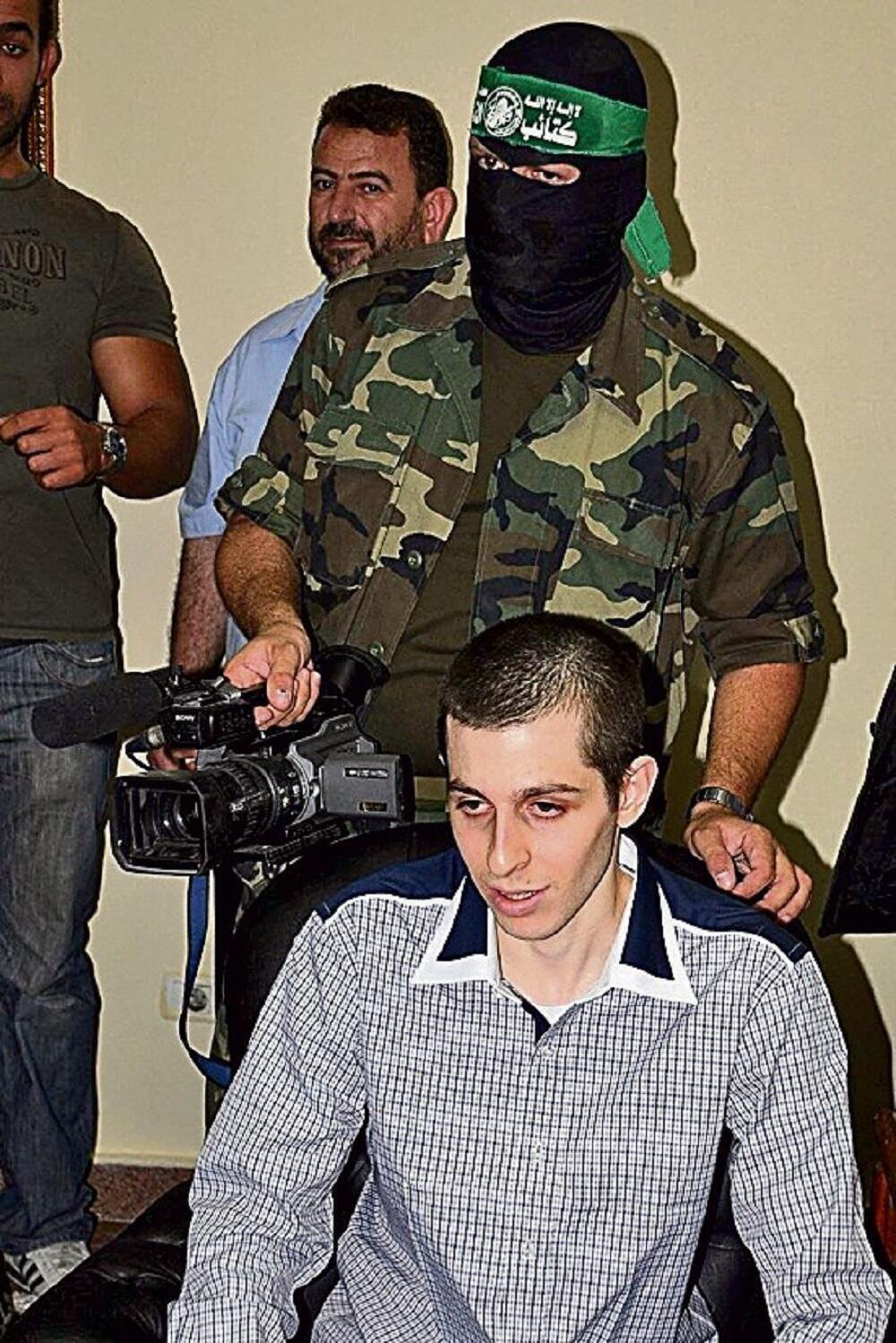
At 5:13 a.m., the first entry records: “Gunfire toward our position, multiple explosions in the Kerem Shalom area. We are under fire.” Within minutes, attack helicopters are scrambled and reinforcements are ordered forward. By 5:19 a.m., the first casualties are reported: “Casualties reported in the sector. Situation developing.”
By 5:28 a.m. and 5:34 a.m., the battlefield expands as reports confirm terrorists moving between fence lines and Israeli positions under fire, while armored units and air support converge. Casualties begin to mount, including fatalities among Israeli soldiers inside an armored “Panther” vehicle used for troop transport in high-risk border areas.
By 6:37 a.m., the log consolidates the battlefield picture: “Two killed evacuated from the tank. Two wounded remain inside. One wounded in forward position. Extraction underway.” At this stage, commanders still treat the incident as a complex but conventional border attack.
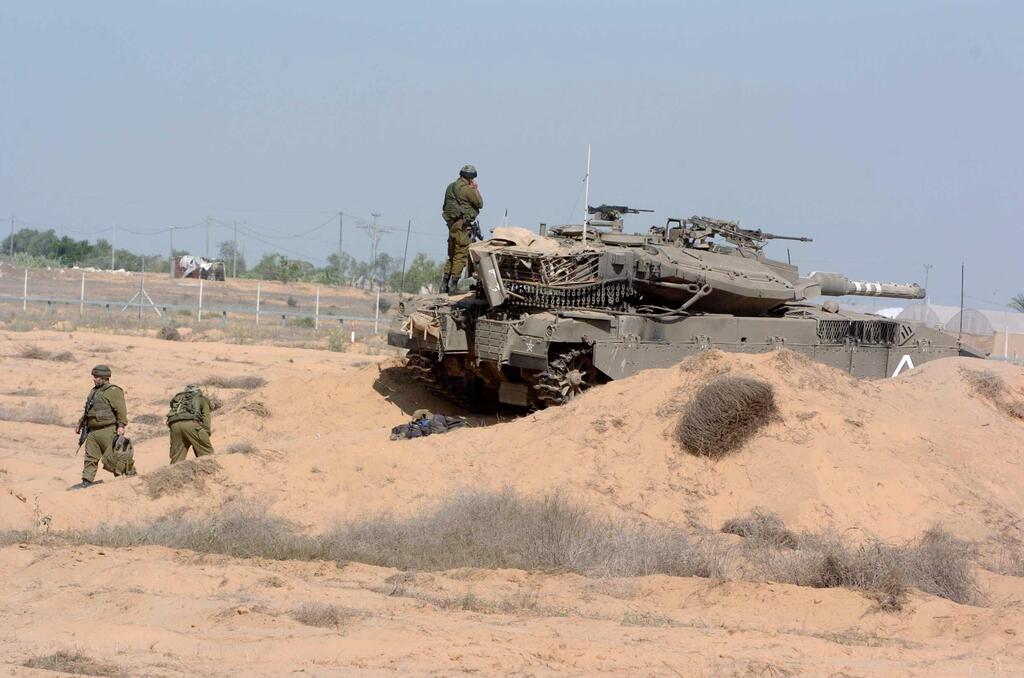
Gilad Shalit’s tank after the abduction
(Photo: Chaim Hornstein)
That assessment changes at 6:40 a.m., when the first entry appears noting: “Soldier unaccounted for inside the tank.” Four minutes later, the “Hannibal Directive” is referenced for the first time.
The Hannibal Directive is an Israeli military protocol designed to prevent the capture of soldiers by terrorists, even at extreme operational risk that may endanger the soldier’s life in order to prevent transfer into enemy hands. It is highly controversial in Israel: supporters argue it prevents prolonged hostage crises that can last years and shape national security policy, while critics say it risks disproportionate force in situations where a soldier may already have been captured.
At 6:48 a.m., the log escalates: “Soldier from the tank is missing. Location unknown. Hannibal in effect.” From this point, combat continues alongside an expanding search for the missing soldier.
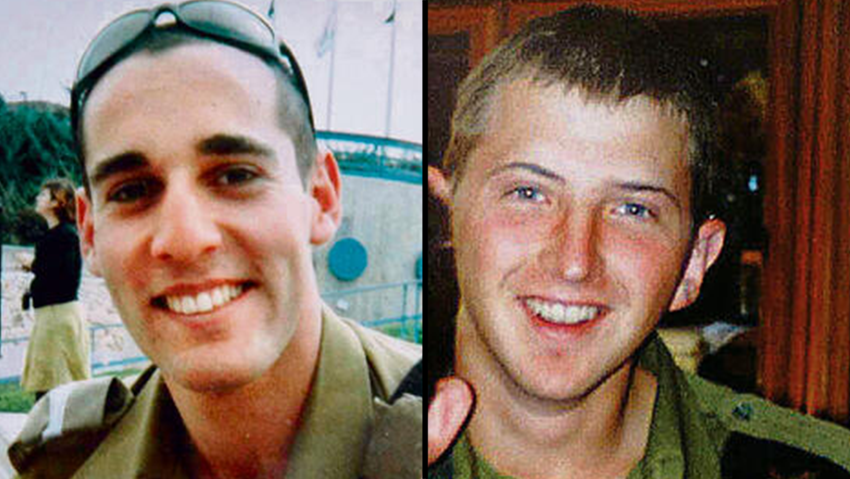
Hanan Barak and Pavel Slotsker
(Photo: Yosef Israel)
At 7:12 a.m., intelligence identifies physical evidence near the border fence. By 7:46 a.m., the incident is formally escalated into a confirmed abduction after a helmet and protective vest are recovered with no soldier located nearby. At 8:00 a.m., the missing soldier is officially identified as Gilad Shalit.
By 8:45 a.m., Egyptian forces are deployed along the Gaza–Sinai border to prevent transfer into Egypt. At 9:52 a.m., the logs note: “Footprints identified in area. Belonging to terrorists and likely the abducted soldier,” indicating movement deeper into Gaza.
As the morning turns into afternoon, intelligence increasingly points toward tunnel-based extraction. These tunnels — a vast underground network in Gaza used by terrorist organizations for smuggling weapons, infiltrating Israeli territory, and carrying out kidnappings — become central to the search effort.
At 4:20 p.m., an assessment states: “Soldier likely alive. Location unknown. Possibly beyond operational area.” At 5:51 p.m., a critical development is recorded: “Tunnel shaft identified inside residential structure. Likely extraction route confirmed.”
Aftermath
In the days following the abduction, Israel launched Operation Summer Rains, its first major ground operation in Gaza since the 2005 disengagement, aimed at pressuring Hamas and disrupting terrorist infrastructure through airstrikes, limited incursions, and arrests across the West Bank. The incident significantly reshaped Israeli security priorities, and weeks later the Second Lebanon War further intensified national focus on captured soldiers and cross-border threats.
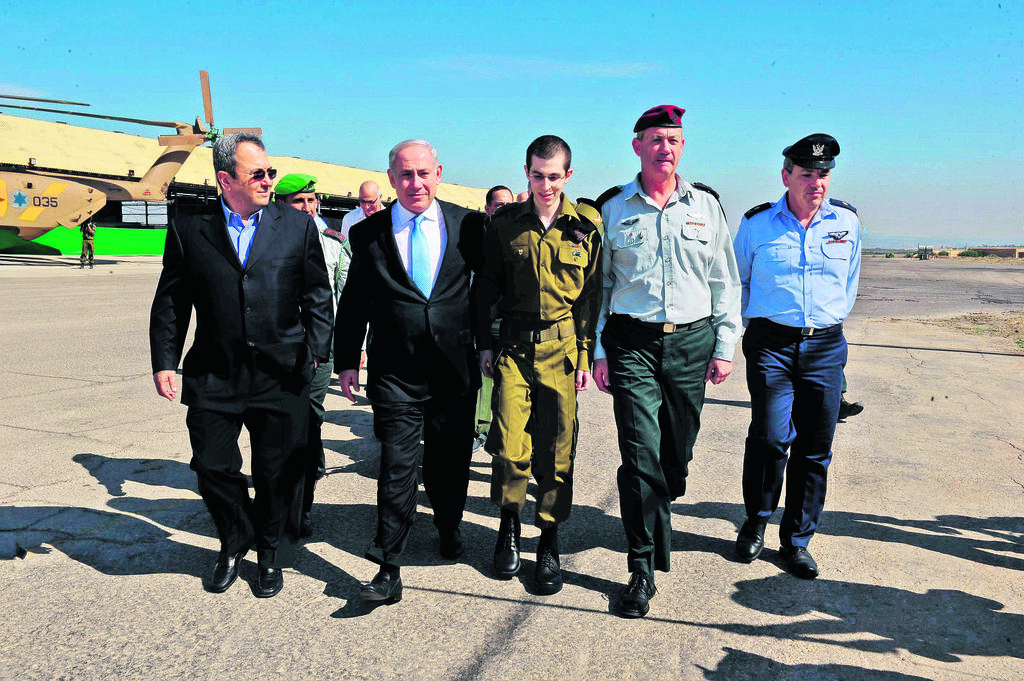
Shalit on the day of his release
(Photo: Defense Ministry)
Over the following years, indirect negotiations between Israel and Hamas continued intermittently, primarily mediated by Egypt, with France also involved due to Shalit’s dual citizenship. During his captivity, Hamas provided no independent proof of life and denied access by the International Committee of the Red Cross, the global humanitarian organization responsible for visiting prisoners and detainees in conflict zones.
Inside Israel, the case became a defining national campaign led by his parents, Noam and Aviva Shalit, who sustained a long-running public effort to secure his release.
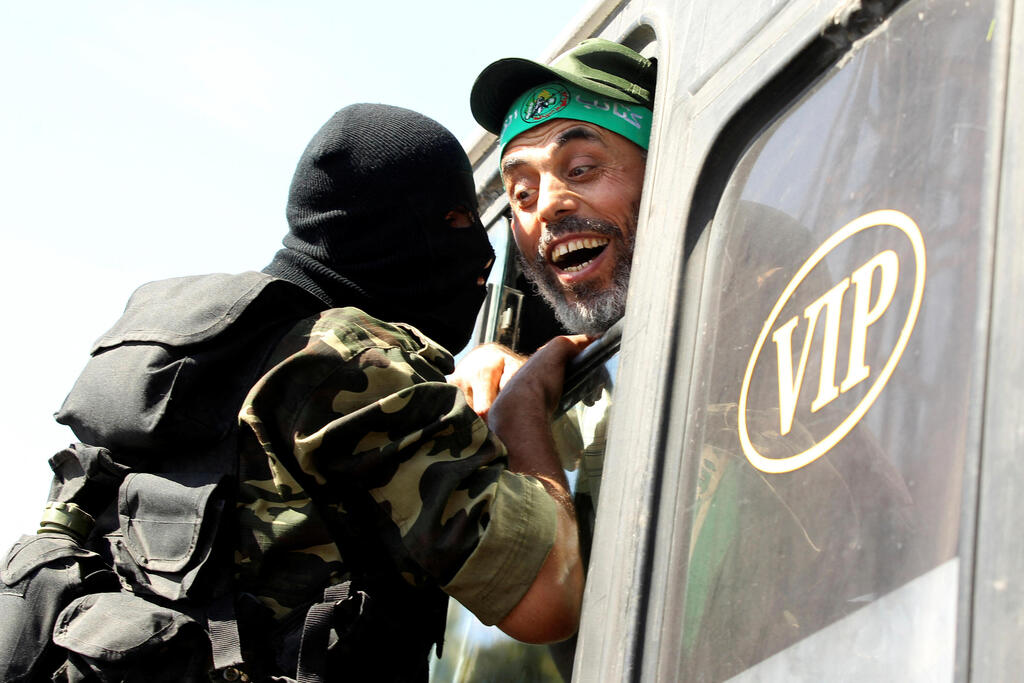
Yahya Sinwar arriving in Gaza in 2011
(Photo: REUTERS/Mohammed Salem/File )
After 1,941 days in captivity, Gilad Shalit was released in October 2011 as part of a prisoner exchange agreement. In return, Israel released 1,027 Palestinian prisoners, including Yahya Sinwar — who would later become the leader of Hamas in Gaza and one of the central architects of the October 7, 2023 attacks — alongside other senior figures who went on to play key roles in Hamas’s leadership and operational structure.
The deal was widely celebrated in Israel but also sparked one of the most prolonged and intense debates in the country’s modern security history over the cost of negotiating with terrorist organizations for the return of captured soldiers.