


Anyone who has spent a day walking New York knows the moment when every other plan is suddenly abandoned in favor of one urgent destination: a bathroom. You walk into a hotel lobby pretending to be a guest, scan the nearest Starbucks, buy something you never wanted just to get the restroom code, then discover the door is still locked.
Against that backdrop, Mayor Zohran Mamdani has turned to a problem familiar to residents and tourists alike: New York simply does not have enough public toilets. This week, Mamdani unveiled a pilot program that will place 17 new public restrooms around the city under the slogan “For a City That Can’t Wait.”
Mamdani’s bathroom blitz


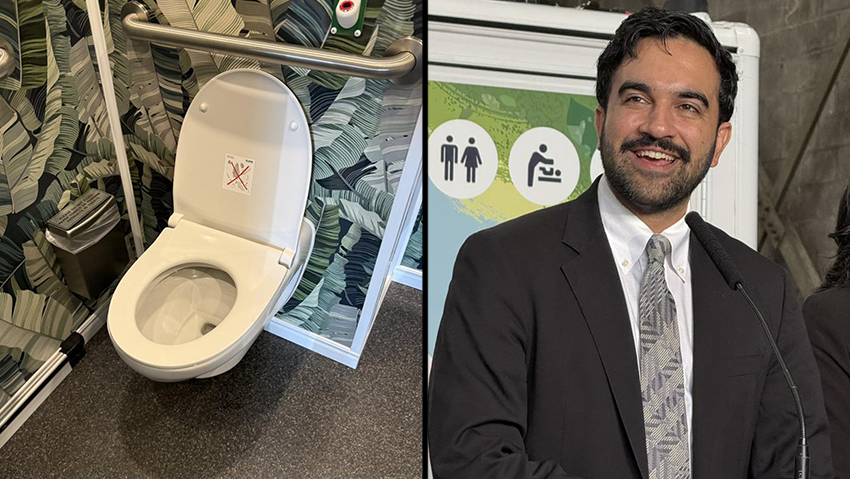
“There is one universal experience that binds New Yorkers together,” Mamdani said at the launch, before joking that it was neither the disappearance of the dollar pizza slice nor sweating on an F train platform in July. Instead, he said, it was heading out for a day in the city and suddenly realizing “you have to go.”
Mamdani described New Yorkers pleading with baristas and restaurant staff, listening carefully as a Chipotle employee whispered a restroom code to a paying customer, or buying a $9 latte simply to gain access.
For anyone who has ever ordered another coffee just to get four digits printed at the bottom of a receipt, the problem needs little explanation.
Two of the new units are already operating, with the remaining toilets set to be installed over the coming months near Yankee Stadium, in Manhattan and Astoria, as well as in parks, public plazas and along Staten Island’s North Shore Esplanade.
They will be free and open every day from 7 a.m. to 10 p.m. as part of a one-year pilot costing a total of $4 million.
The units resemble small cabins dropped onto the sidewalk. Inside are a flushing toilet, running-water sink, heating in winter, air conditioning in summer, a baby-changing table, free menstrual products and tropical-patterned wallpaper intended to make the experience somewhat more pleasant.
Almost everything is touchless. The wheelchair-accessible units are solar-powered and carry their own water and waste tanks, meaning they do not need to be connected to the maze of water, sewer and electrical infrastructure beneath New York’s streets.
In a city where digging into a sidewalk can mean encountering century-old pipes or poorly documented utility lines, that is a significant advantage.
Cleaned after every 10 to 15 users
Despite being described as high-tech or “robotic” toilets, there is no robot inside waiting with a mop. Instead, 21 sensors, usage data and cleanliness ratings tell operator Throne Labs when human intervention is needed. Each unit is expected to be cleaned after roughly 10 to 15 visits. The company says the model has already handled more than two million visits in other U.S. cities and has received strong cleanliness ratings.
The technology also allows users to check whether a unit is available, report a problem and locate the nearest restroom through an app. Entry is available by text message, QR code, the Throne app or a special tap card.
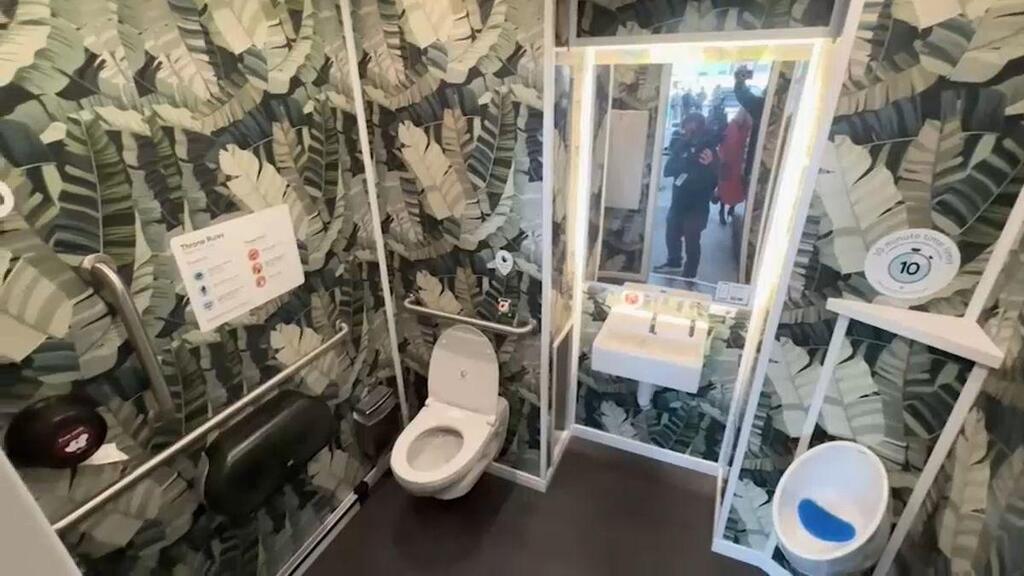
(Photo: NYC DOT)
But all that technology comes with a clock. When users enter, they are told they have 10 minutes. After five minutes, the music playing inside stops and a friendly reminder sounds. At eight minutes, another warning tells the user that time is running out. At the 10-minute mark, the lights begin flashing and an announcement in English and Spanish says the allotted time is over. About 30 seconds later, the door opens.
“If your pants are still down, we’re not gonna open the door on you,” Throne Labs co-founder and chief operating officer Jessica Heinzelman told reporters, explaining that users receive the short grace period.
But once it expires, the door does indeed open. Mamdani had simpler advice: “This is not a place to scroll on your phone.”
For a healthy person making a quick stop, 10 minutes may be plenty. For someone using a wheelchair who needs time to transfer, a person with bowel disease or medical equipment, an older adult, a pregnant woman, someone menstruating or a parent changing a baby, the calculation can be very different.
There is currently no option for users to extend the time limit. The city says it is still working on a solution for people with mobility limitations or other needs that require more time.
Officials say the automatic opening is also a safety measure. In other cities, they say, it has allowed staff to reach people suffering medical emergencies behind locked doors. For users, however, it still means betting that their body will cooperate with the timer.
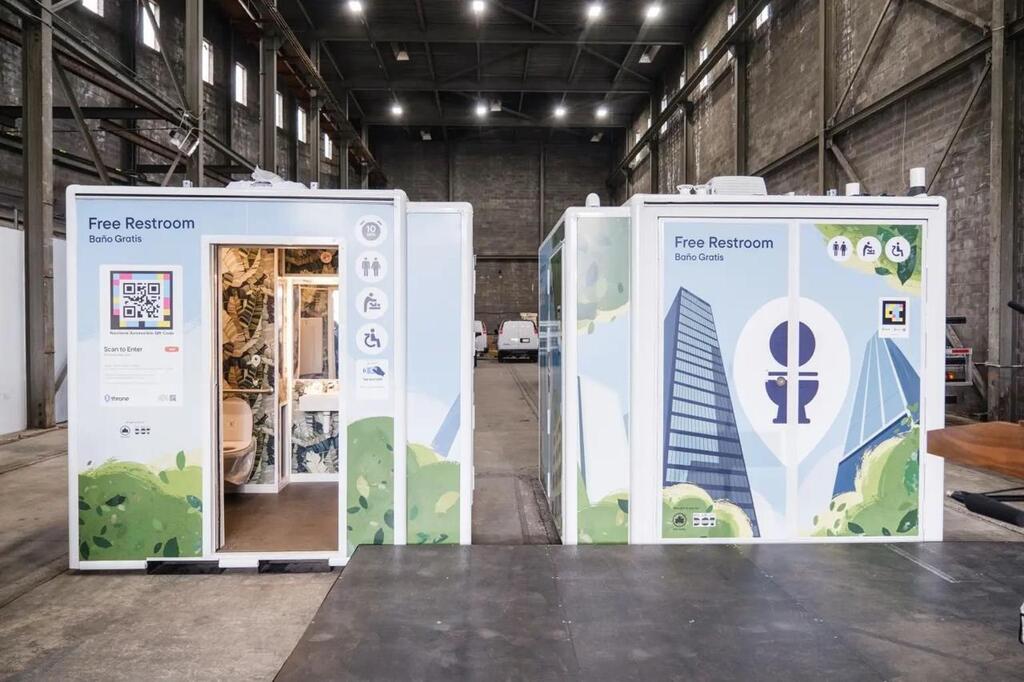
(Photo: NYC DOT)
The toilets can also detect smoking. The operator says violations can be linked to the phone number used for entry, allowing repeat offenders to have their access restricted. According to the company, only about 0.2% of users across its network repeatedly break the rules to the point that restrictions become necessary. If someone remains inside beyond the allotted time, staff receive an alert and can come to inspect the unit. Police can be called if necessary.
$235,000 per toilet?
New York has tried futuristic public toilets before, with decidedly mixed results. Under former Mayor Michael Bloomberg, the city ordered 20 automated public toilets in 2006. Two decades later, only seven had been installed.
Each required roughly 5 to 6.5 feet, or 1.5 to 2 meters, of underground clearance for utility connections, something that can be difficult to find beneath the city’s crowded sidewalks. Some proposed locations also faced neighborhood opposition.
Traditional permanent public restrooms can cost between $3 million and $5 million and take about five years to build. Mamdani argues that all 17 units in the new pilot cost roughly as much as one conventional permanent facility.

(Photo: NYC DOT)
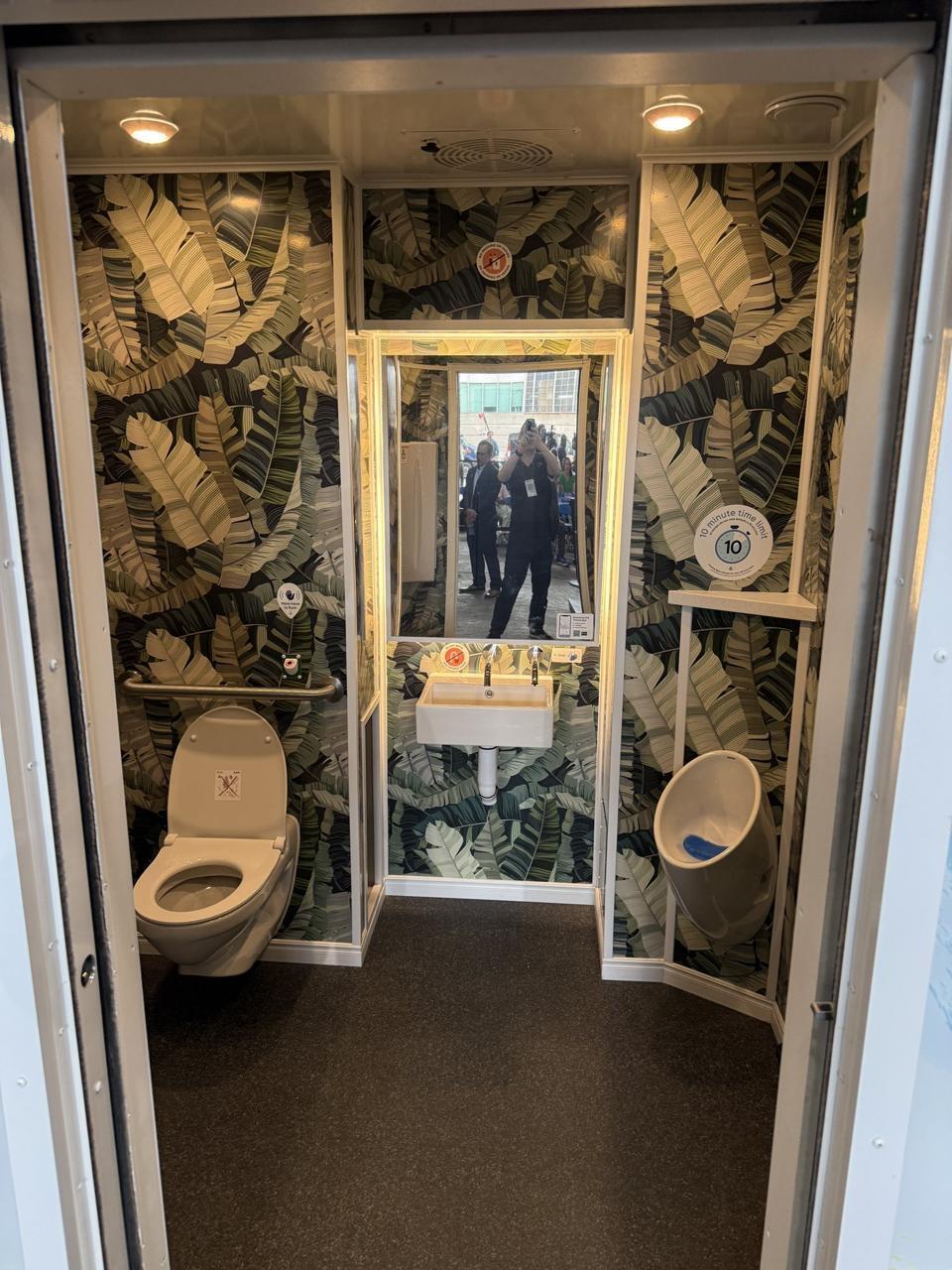
(Photo: NYC DOT)
The New York Post framed the calculation differently, dividing the $4 million contract by 17 and arriving at a figure of about $235,000 per toilet. But the contract covers more than the physical units themselves. It also includes manufacturing, transportation, installation, operation, cleaning and maintenance across the network for the full pilot year.
The bathroom announcement also settled a question reporters had been asking since Mamdani and his wife, Rama Duwaji, moved into Gracie Mansion, the mayor’s official residence: Did he really install bidets there, as he had said he would? “Yes, they’re all there,” Mamdani confirmed.
Asked about the cost to taxpayers, he said the devices were simple attachments fitted beside the toilets and cost about $20 each. “Highly recommend,” he told reporters, before suggesting they get one for themselves.
Water-based cleansing is common across large parts of South Asia, East Africa and the Middle East. In the United States, bidets remain far less standard, although attachments have become increasingly common in recent years.
For Mamdani, a democratic socialist who has framed public toilets as basic civic infrastructure and a matter of dignity, the subject fits neatly into a broader governing theme. He calls it “pothole politics”: quick, visible repairs and improvements to the small things that shape everyday life.
Mamdani has linked that idea to the American political tradition known as “sewer socialism,” a term associated with socialist mayors who governed Milwaukee in the early 20th century and focused heavily on sanitation, clean water and municipal infrastructure. “We’re putting the sewer back in sewer socialism,” Mamdani joked at the bathroom event.
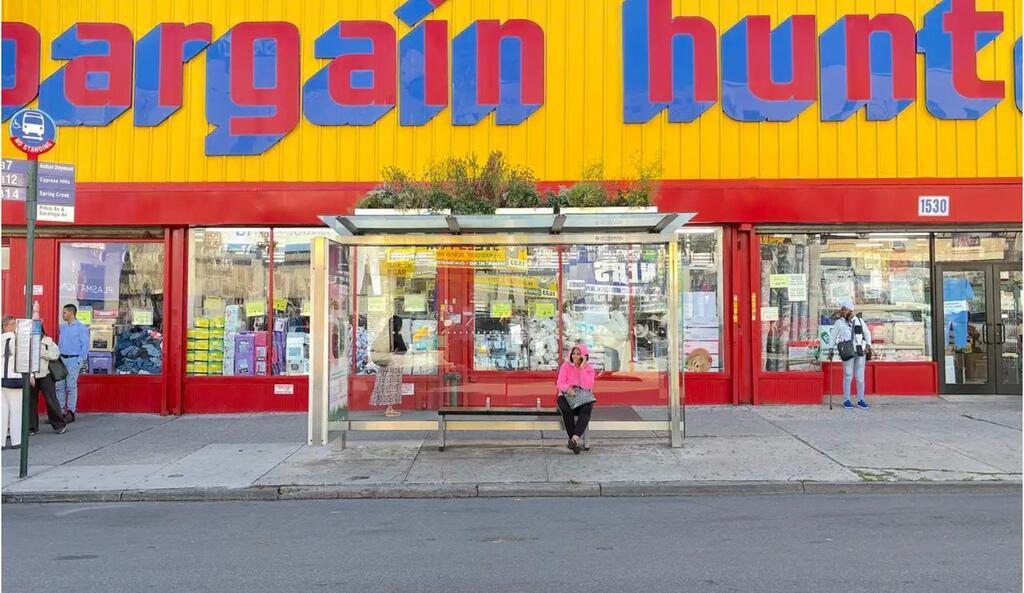
‘Rain garden’ on the roof of a Brooklyn bus shelter
The same day, the city unveiled another small-scale experiment: New York’s first green roof installed on a bus shelter in Brooklyn’s Brownsville neighborhood.
The so-called rain garden consists of grasses, wildflowers and native plants growing on top of the shelter. It can hold roughly 60 liters of rainwater, while planners hope it will also help cool the waiting area and add greenery to a neighborhood considered particularly vulnerable to extreme heat.
Three nearby bus shelters have also been fitted with reflective roof coverings. The pilot will measure whether those relatively modest changes produce a noticeable difference for people waiting on the sidewalk.