

The Pentagon is exploring ways to escort commercial vessels safely through the Strait of Hormuz, U.S. Chairman of the Joint Chiefs of Staff Gen. Dan Caine said Tuesday.
About one-fifth of the world’s oil and liquefied natural gas normally passes through the strait. But Iran, which sits along its northern coast, has effectively closed the waterway since the start of the U.S.-Israeli war against Iran on February 28.
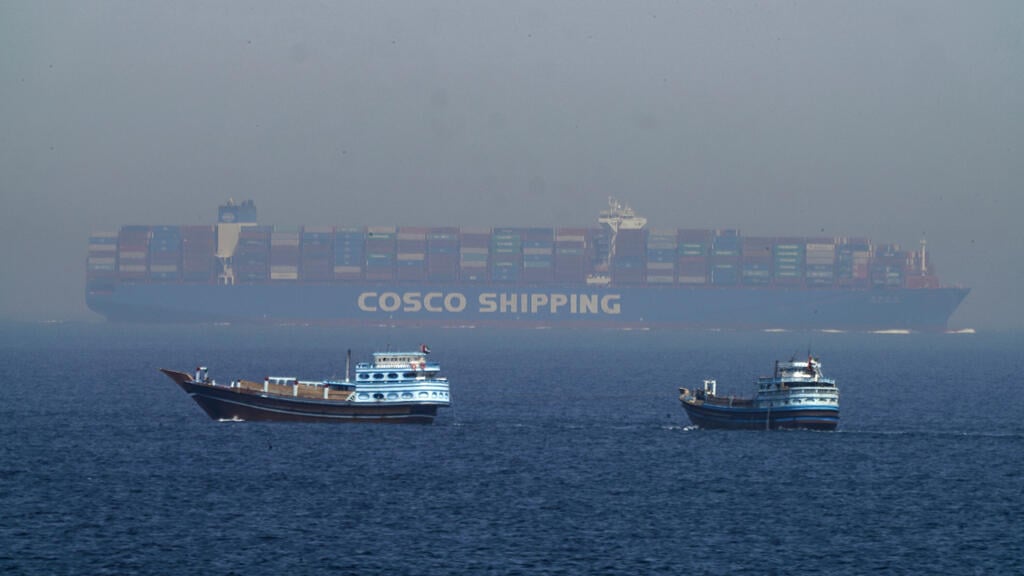
Traffic through the strait has dropped by 97% since the conflict began, according to United Nations data.
The United States is seeking to calm global energy markets amid concerns that a prolonged war could trigger a major energy crisis.
What is at stake?
The Strait of Hormuz, a narrow waterway between Iran and Oman linking the Persian Gulf with the Gulf of Oman, is the only maritime exit for major oil- and gas-producing countries including Kuwait, Iran, Iraq, Qatar and the United Arab Emirates.
Oil prices briefly climbed Monday to their highest level since 2022. The United Nations warned that sustained high prices could trigger another cost-of-living crisis similar to the one that followed Russia’s invasion of Ukraine.
A prolonged disruption could also trigger a fertilizer shock and threaten global food security. About one-third of the world’s fertilizers, including sulfur and ammonia, normally pass through the strait, according to analytics firm Kpler.
A long conflict could also fuel fears of a broader economic crisis similar to those that followed the oil shocks of the 1970s.
What has Iran threatened?
Iran’s Revolutionary Guard has warned that any ship passing through the strait could be targeted. At least 11 vessels have been attacked since the conflict began.
Most shipping traffic has halted, partly due to safety concerns and also because insurance premiums for vessels have surged by as much as 300%.
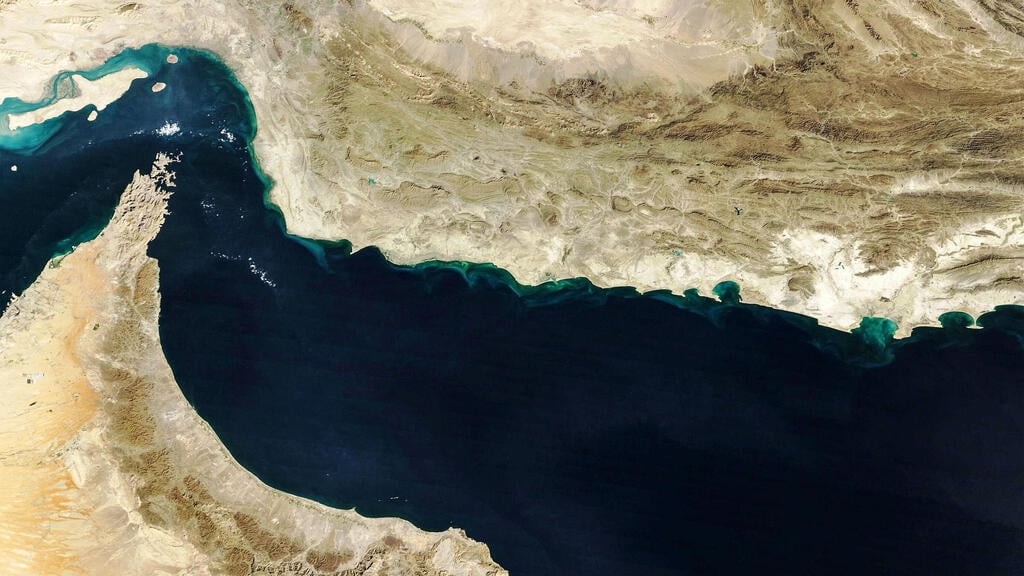
Strait of Hormuz, archive
(Photo: AFP/ NASA)
What have the U.S. and other countries proposed?
President Donald Trump said on March 3 that the United States would protect oil tankers passing through the strait.
He also said he had instructed the U.S. International Development Finance Corporation to provide insurance and guarantees for shipping companies operating in the area.
French President Emmanuel Macron said several European countries, India and other Asian states are considering a joint mission to protect shipping. However, he said such an operation could take place only after the conflict ends.
France is deploying roughly a dozen naval vessels, including an aircraft carrier strike group, to the eastern Mediterranean, the Red Sea and potentially the Strait of Hormuz.
British Prime Minister Keir Starmer has also discussed possible support for commercial shipping in the strait with the leaders of Germany and Italy, a government spokesperson said Tuesday.
“We’re looking at a range of options there,” Caine told reporters at the Pentagon, without providing details.
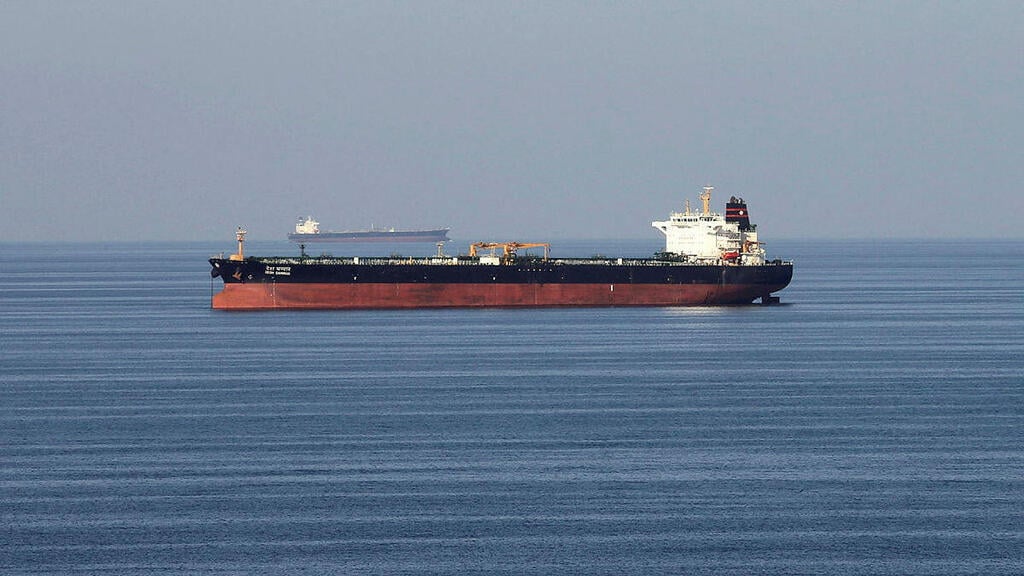
(Photo: Reuters/Hamad I Mohammed)
Why is the strait difficult to secure?
The Strait of Hormuz is a challenging area to defend. Shipping lanes are only about two nautical miles wide, forcing vessels to navigate tight turns near Iranian islands and mountainous coastlines that can provide cover for Iranian forces, according to shipping broker SSY Global.
How feasible is naval protection?
Although Iran’s conventional navy has largely been destroyed, the Islamic Revolutionary Guard Corps retains a significant arsenal capable of threatening shipping.
These include fast attack craft, uncrewed surface vessels, speedboats, mini-submarines, sea mines and even explosive-laden jet skis, said Tom Sharpe, a retired Royal Navy commander.
Iran is also believed capable of producing around 10,000 drones a month, according to the nonprofit research group Centre for Information Resilience.
Sharpe said escorting three or four ships a day through the strait could be feasible in the short term using seven or eight destroyers providing air cover, assuming threats from mini-submarines are limited. Maintaining such operations for months, however, would require significantly greater resources.
Even if Iran’s ballistic missiles, drones and sea mines were destroyed, ships could still face threats from suicide-style attacks, said Adel Bakawan, director of the European Institute for Middle East and North African Studies.
If the war continues for weeks, some form of escort system will likely be organized, said Kevin Rowlands, editor of the RUSI Journal at the Royal United Services Institute.
“The world needs oil to flow from the Gulf, and so planning is underway to put protection measures in place,” he said.
What happened at other regional chokepoints?
Iran-backed Houthi rebels in Yemen, despite having far fewer military capabilities than Iran, managed to disrupt most shipping through the Red Sea and the Bab el-Mandeb Strait for more than two years despite protection efforts by U.S.- and European-led naval forces.
As a result, many shipping companies rerouted vessels around the southern tip of Africa.
Danish shipping giant Maersk had previously indicated plans to gradually return to the Suez Canal route beginning in January.
Are there alternatives to the strait?
The United Arab Emirates and Saudi Arabia have attempted to reduce reliance on the Strait of Hormuz by building alternative oil pipelines.
However, many of these projects are not fully operational, and attacks on infrastructure such as a 2019 Houthi strike on Saudi Arabia’s east-west pipeline have demonstrated that these alternatives remain vulnerable.