

Iran’s police chief on Monday issued a three-day ultimatum to people involved in recent anti-regime protests, ordering them to turn themselves in and promising “significant leniency” for those who comply, even as senior officials warned of severe punishments, including possible executions.
Ahmad-Reza Radan, Iran’s national police commander, said those he described as “rioters” who surrender within the deadline would receive reduced penalties. His remarks came amid growing international concern that the Islamic Republic may launch an unprecedented wave of executions against protesters.
Iran's state TV channels hacked


In a statement carried by Iran’s state media, Radan said young people who joined the unrest had been “misled” and should not be viewed as “enemy soldiers.” He urged them to report to authorities within three days to benefit from what he called a more forgiving approach.
His comments contrasted sharply with a far more threatening statement issued jointly by Iran’s executive, legislative and judicial branches, which vowed to “severely punish” those accused of inciting what the regime labels terrorist acts. Judiciary spokesman Asghar Jahangir said suspects would face expedited trials and warned that certain offenses, defined as “crimes against God,” could carry the death penalty, typically carried out by hanging.
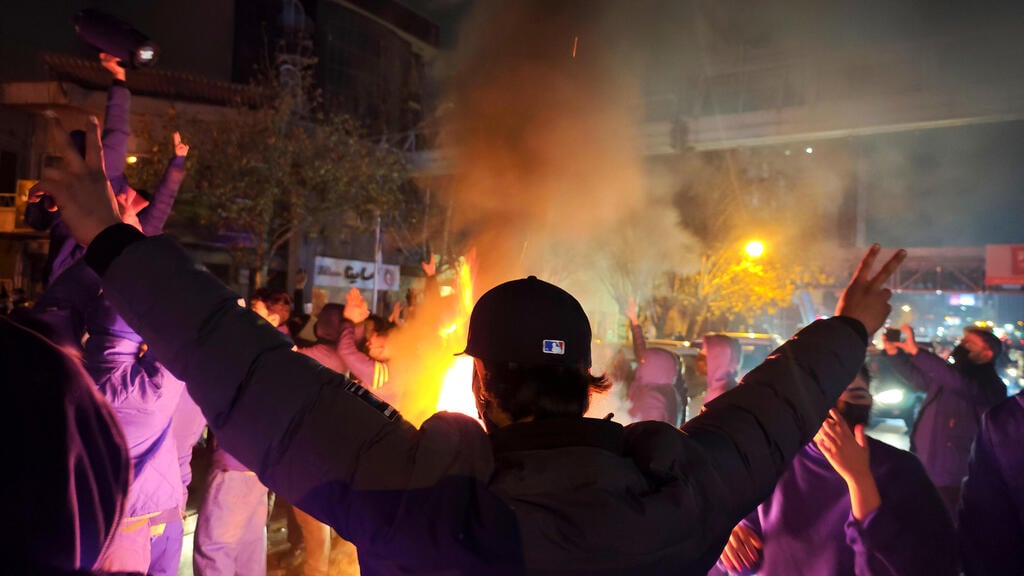
The warnings came as U.S. President Donald Trump reiterated that Washington would exact a heavy price if Iran proceeds with executions. Over the weekend, Trump suggested he had refrained from attacking Iran because it had canceled plans to carry out 800 executions, a claim that has not been independently confirmed. Iranian officials have not acknowledged such a move.
Meanwhile, Iran’s deputy president for science and technology, Hossein Afshin, said Monday that access to the global internet would begin to return this week. Iran cut off internet access on January 8, the day protests against the regime swelled into mass demonstrations and reportedly reached their deadliest point.
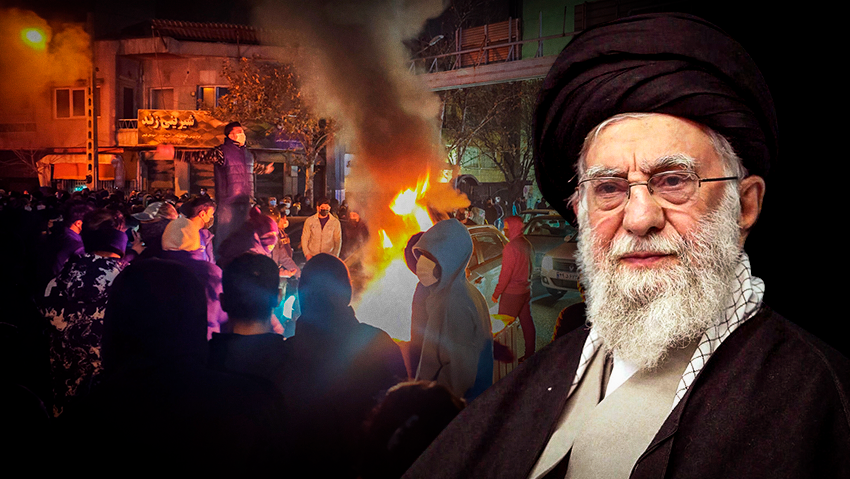
Ali Khamenei
(Photo: Anonymous/Getty Images)
The internet shutdown entered its 11th day on Monday. Afshin did not specify when restrictions would be lifted, echoing comments a day earlier by President Masoud Pezeshkian, who said he had urged the National Security Council to restore internet access as soon as possible to ease pressure on businesses and communications.
The internet monitoring group NetBlocks reported a brief spike in connectivity on Monday, with limited access to services such as Google and WhatsApp, before traffic again dropped sharply. For much of the past week, Iran’s internet activity has hovered at about 1% of normal levels.
Protests have continued to rock Iran following weeks of unrest, as authorities struggle to contain demonstrations while signaling both potential concessions and the threat of brutal repression.