

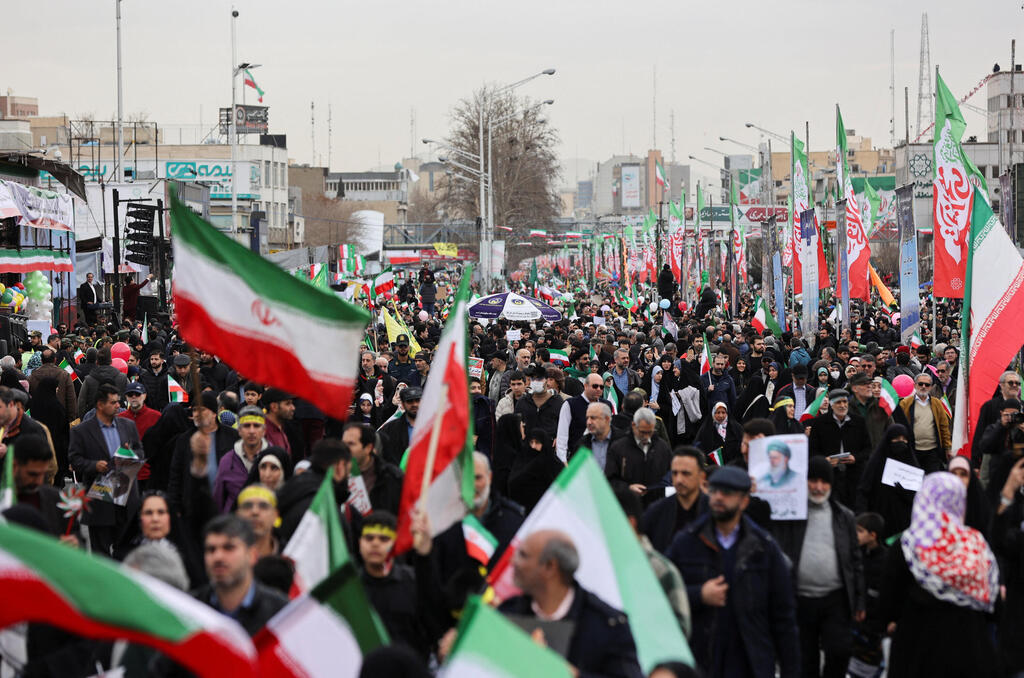
Supporters of Iran’s ruling clerics marked the 47th anniversary of the 1979 Islamic Revolution on Wednesday with mass rallies across the country, burning U.S. and Israeli flags and chanting threats, as tensions with Washington remain high and Israel braces for possible escalation.
State-organized marches drew thousands in cities across Iran. In Tehran, participants chanted “Death to Israel” and “Death to America,” stepped on Israeli and U.S. flags placed on roads and waved Palestinian flags. Some posed for selfies beside missile displays set up in public squares.
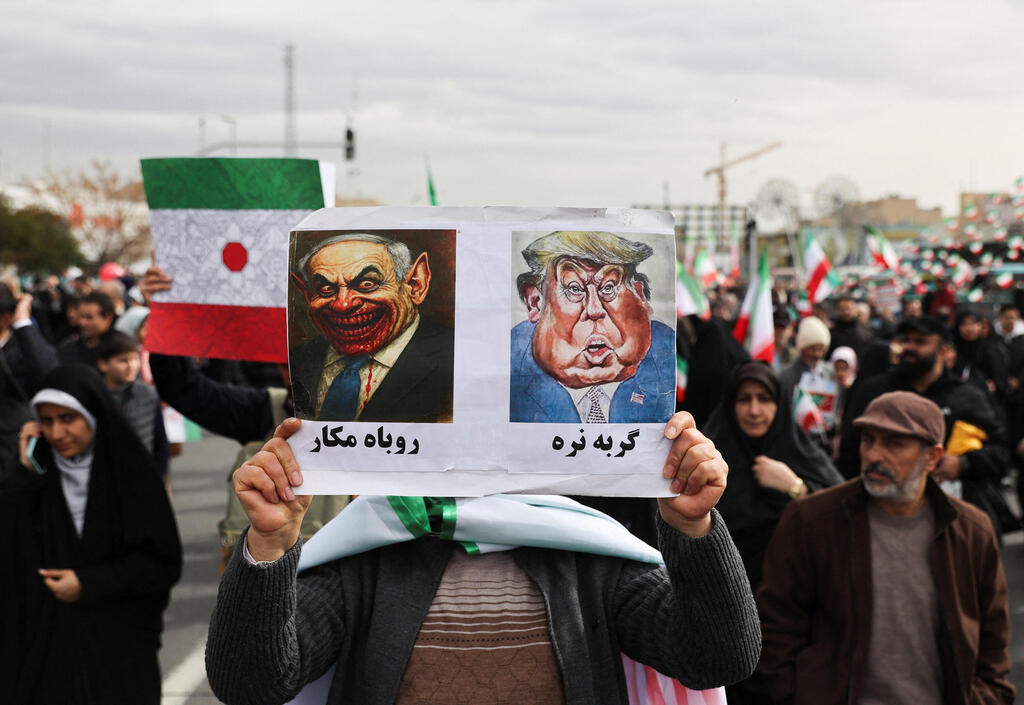
The anniversary comes amid heightened tensions with the United States and threats by President Donald Trump of possible military action if nuclear talks fail. Iranian officials have warned that any U.S. strike would trigger missile barrages toward Israel.
In footage released Wednesday, the Defense Ministry in Jerusalem published documentation of a recent series of tests of the David’s Sling air defense system, developed by Rafael. The system is designed to intercept rockets, ballistic missiles and cruise missiles, and forms a central layer in the country’s multilayered air defense network.
“The success of the tests represents another technological and operational breakthrough in upgrading the system, which proved during the war its high performance with successful interceptions that saved lives and prevented heavy damage,” the ministry said.
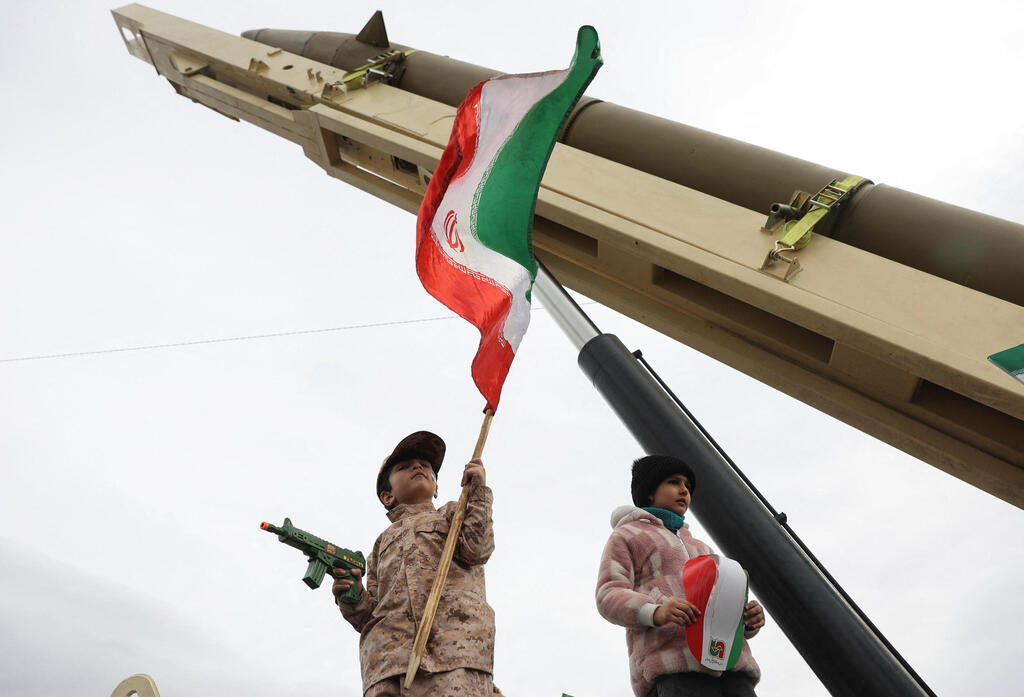
(Photo: Majid Asgaripour/WANA (West Asia News Agency) via REUTERS)
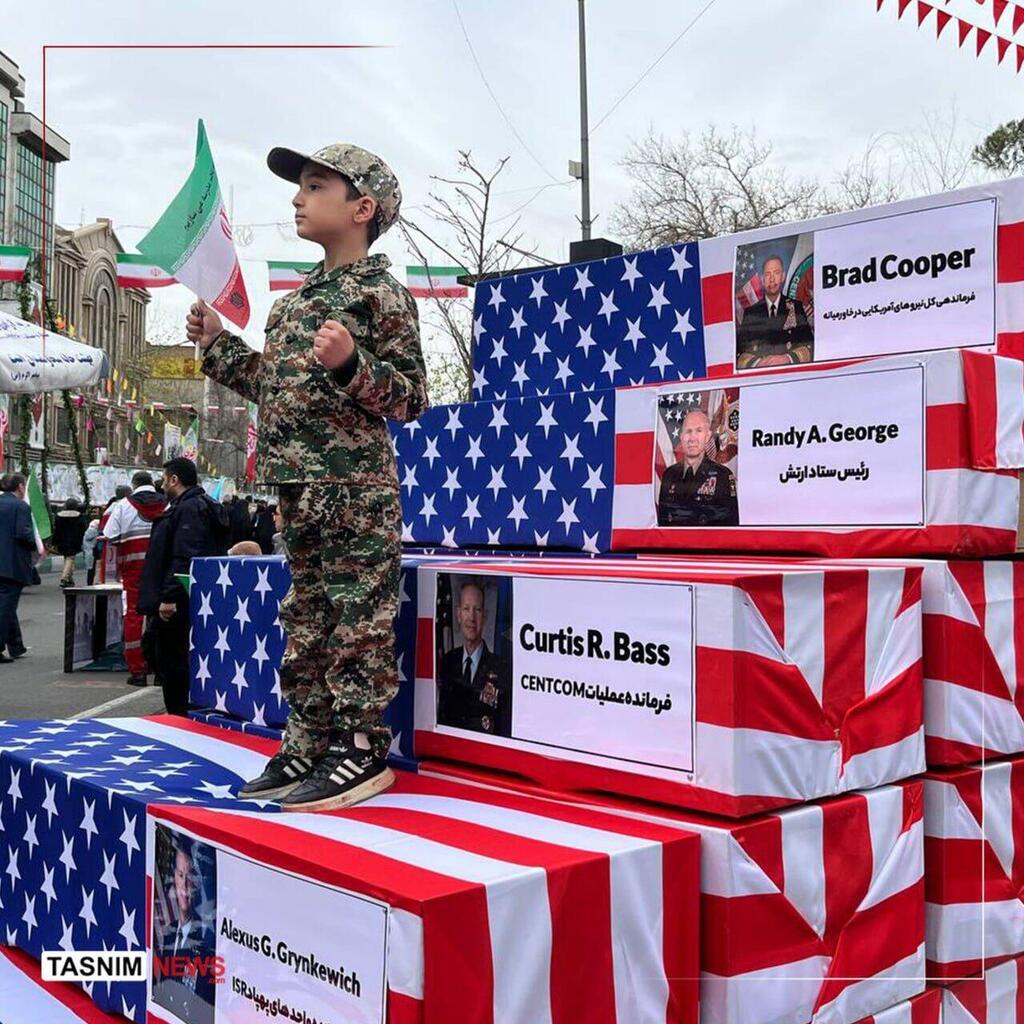
In Tehran’s Azadi Square, Iranian authorities displayed what they described as remnants of Israeli drones shot down during last year’s 12-day war in June. Mock coffins bearing the images of senior American generals, including U.S. Central Command chief Adm. Brad Cooper, were also displayed. Cooper participated in recent U.S.-Iran negotiations in Oman and later accompanied Trump’s envoys, Steve Witkoff and Jared Kushner, aboard the USS Abraham Lincoln, which the president deployed to the region as part of what he called a large “armada” prepared to act if necessary.
Iranian Chief of Staff Abdolrahim Mousavi attended the Tehran rally in civilian clothes, surrounded by masked security personnel. “The enemies of Iran will be disappointed because of these people,” he said, referring to the turnout.
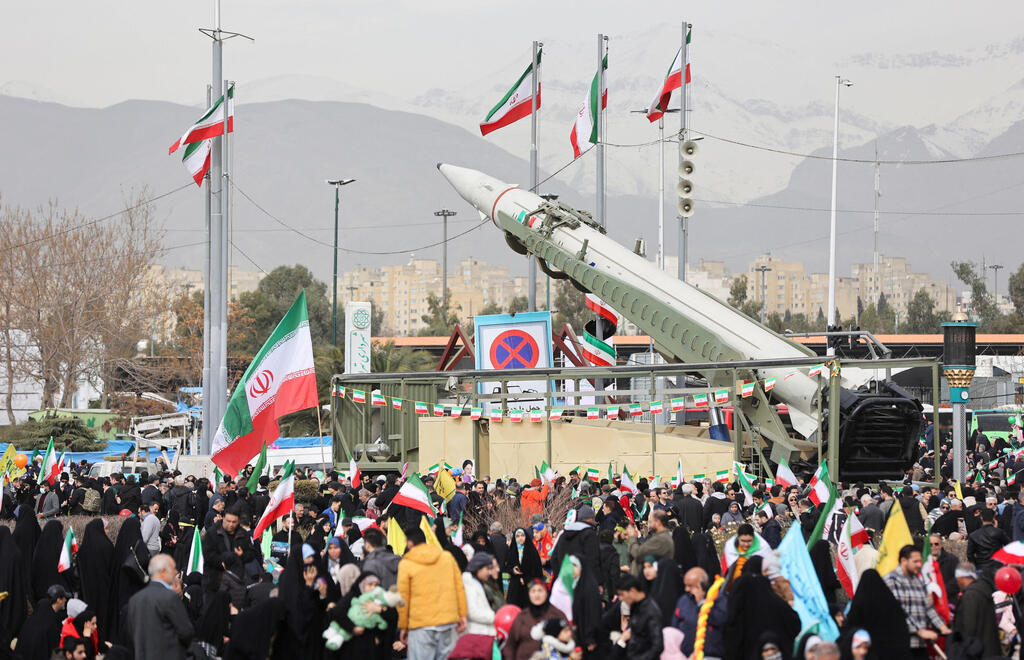
(Photo: Majid Asgaripour/WANA (West Asia News Agency) via REUTERS)
President Masoud Pezeshkian, elected in 2024 and initially viewed as a moderate, addressed the crowd and acknowledged what he called “great sorrow” among Iranians following last month’s mass protests. “We are ashamed before the people, and we are committed to assisting all those harmed in these incidents. We do not want confrontation with the people,” he said, without directly addressing reports that thousands of protesters were killed in the crackdown.
Last month’s demonstrations, driven by deep economic hardship, were suppressed by security forces, including the Revolutionary Guard and the Basij militia. According to opposition sources and some estimates, thousands — possibly tens of thousands — were killed, making it the deadliest crackdown since the revolution.
Reuters reported last week that senior officials in Tehran warned Supreme Leader Ayatollah Ali Khamenei that public anger remains volatile and that a U.S. attack could reignite unrest and potentially threaten the regime’s survival.
(Photo: Majid Asgaripour/WANA (West Asia News Agency) via REUTERS)
Despite earlier refusing to negotiate under pressure, Iran held its first round of talks with U.S. representatives in Oman last weekend. Iranian Foreign Minister Abbas Araghchi met with Witkoff and Kushner. The talks ended without significant progress, but both sides agreed to continue.
Ali Larijani, secretary of Iran’s Supreme National Security Council, who visited Oman as part of the contacts, said Wednesday that the date of the next round would be announced soon. “We must continue negotiations with America,” he said, even as threats were voiced during the anniversary marches.
Iran has publicly refused to discuss its ballistic missile program and has said it would accept only limited restrictions on its nuclear program, without a complete ban on uranium enrichment.
In Jerusalem, officials have expressed concern that Washington could settle for a limited agreement focused only on nuclear constraints, without addressing Iran’s rapidly expanding missile program or its support for armed groups across the Middle East.
Prime Minister Benjamin Netanyahu moved up his visit to Washington and is scheduled to meet Trump at the White House later Wednesday. Trump said he prefers reaching an agreement. “I would prefer to make a deal — no nuclear, no missiles and the other things,” he said, adding that he is considering sending an additional aircraft carrier to the region if talks collapse. “We can make a great deal,” Trump said. “Netanyahu wants a good deal too.”
First published: 09:21, 02.11.26