

A spring has been tightly wound for nearly a month now within Israel’s Iron Dome air defense system regarding the extensive lessons learned from Operation Rising Lion. Iron Dome battalions are expected to play a central role in any future confrontation with Iran, should the United States ultimately decide to strike Tehran, amid what is shaping up to be a prolonged waiting period now well into its second month, against the backdrop of negotiations between the U.S. and Iran over a new nuclear deal.
As the U.S. military continues to amass forces in the Persian Gulf and across the Middle East, the Israeli Air Force remains on high alert across all air defense layers—from Iron Dome at the lower tier, through David’s Sling at the intermediate layer, to the Arrow interceptor systems designed to counter heavy Iranian ballistic missiles.
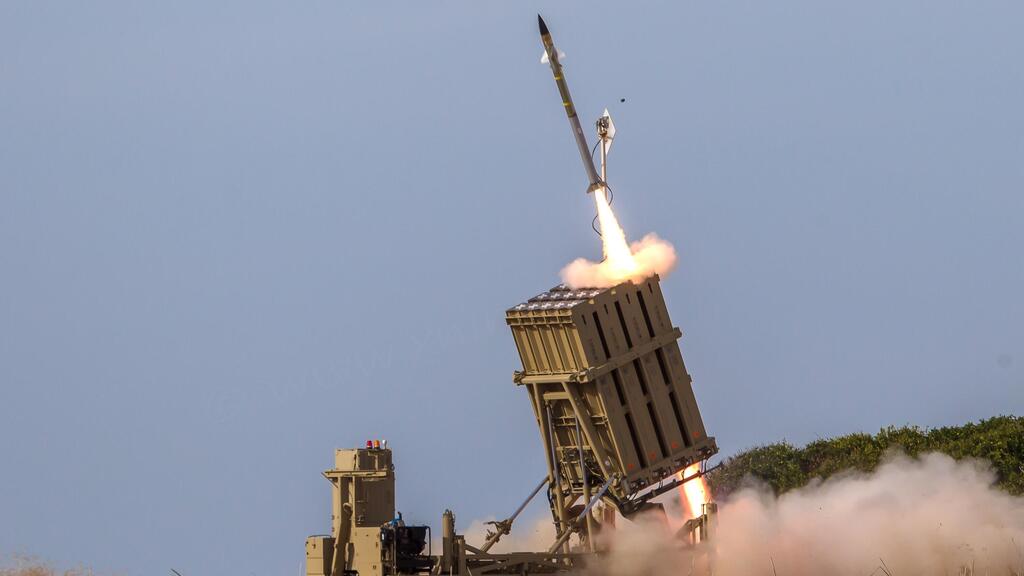
“The current versions of Iron Dome are not what they were during Operation Rising Lion. In this arms race with Iran, we’ve changed quite a bit in recent months through the constant implementation of many lessons learned,” Major N., a battery commander in Iron Dome Battalion 947, told ynet.
Her battery is made up primarily of members of the IDF in their regular service, but reserve soldiers have also been called up under emergency orders due to the heightened tensions. “We know how to manage this pressure—sending people home when possible to maintain alertness and readiness,” she explained.
“For most of the past month, we’ve focused mainly on training—not just in simulators but also in the field, including live-fire drills simulating threat interceptions. We debrief everything, successes and failures alike, in a long marathon of learning. It’s safe to assume the next round will be different on the other side as well. When the moment comes, our soldiers will be ready,” Major N. asserted.
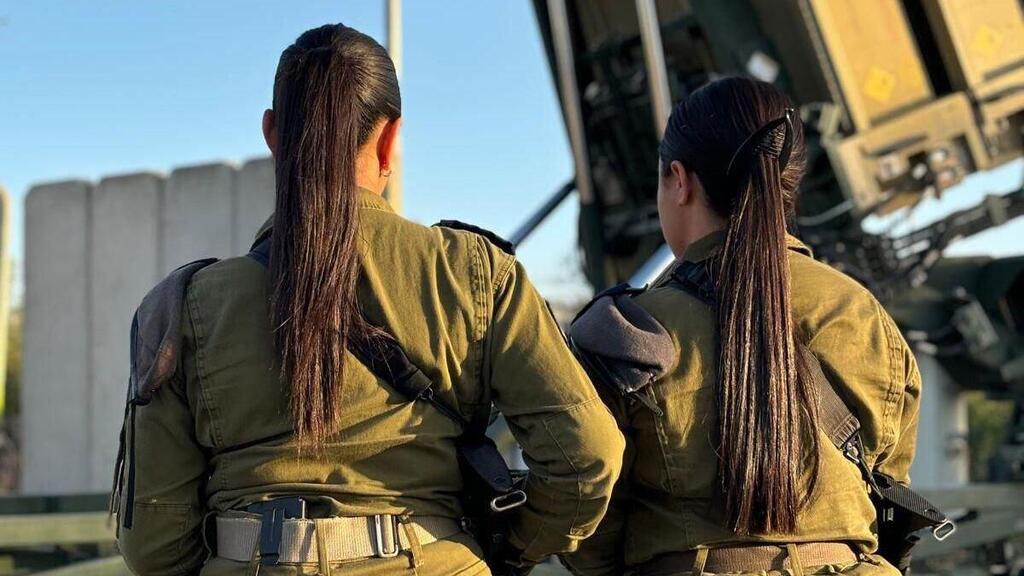
Soldiers who operate an Iron Dome battery
(Photo: IDF Spokesperson's Unit)
Major N. described the nature of the air defense system’s success as stemming from integration across defense layers and cooperation among the various detection and interception arrays, all the way through to impact. There is enormous significance to the ability to intercept fragments or parts of a missile that are about to fall on a target or scatter and explode in city centers.
“Each system knows how to operate on its own, but we are far better together—and that’s a key part of the training,” she said. “We learned on October 7 that no enemy can be underestimated, and we know how to adapt ourselves to any arena.”