

The IDF has told the family of an Israeli farmer killed near the Lebanon border that he died from Israeli artillery fire, confirming earlier findings that the incident was a deadly misfire.
Ofer “Pushko” Moskovitz, a resident of Kibbutz Misgav Am in the Upper Galilee, was killed when a shell fired from an IDF artillery battery struck his vehicle. The military said the investigation determined he was killed unintentionally by Israeli fire.
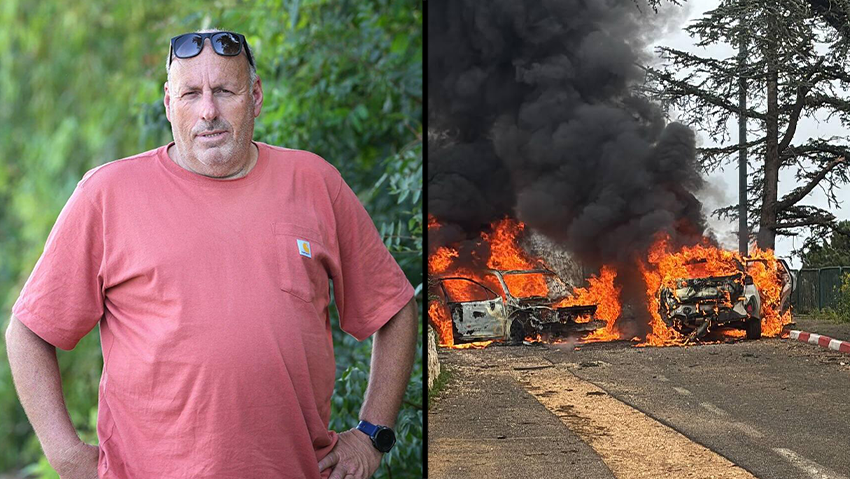
According to the probe, an artillery unit fired toward a target in southern Lebanon but four shells landed inside Israeli territory, in the border community of Misgav Am.
Two shells struck a home in the kibbutz, while two others hit vehicles near the local store, including Moskovitz’s car.
The IDF said the incident stemmed from a flawed operational process that should not have occurred and remains under investigation.
Moskovitz, who managed the kibbutz’s avocado orchards, had spoken days before his death about the risks of working near the border.
The strike that killed Moskovitz


“Every moment, a missile or drone could fall on me. It’s like Russian roulette,” he said in a radio interview.
In the same interview, he expressed hope for long-term security despite the ongoing fighting.
“I want quiet at home,” he said. “I want my newborn grandson to sit with me on the porch and feel safe.”
The kibbutz described him as a central figure in the community and a longtime advocate for agriculture in the region. He is survived by three daughters and two grandchildren.
Hezbollah initially claimed responsibility for the attack, describing it as part of its campaign against Israel.