

The Trump administration says it is preparing economic measures against Iran on a scale “never seen before,” as Washington seeks to isolate Tehran financially and force it toward an agreement ending the war.
But carrying out that threat could require the United States to confront some of the world’s largest banks, put additional pressure on allies and trading partners and risk further escalation with China. U.S. Treasury Secretary Scott Bessent said Friday that “we are going to implement measures that have never been seen in Iran.”
Gallery
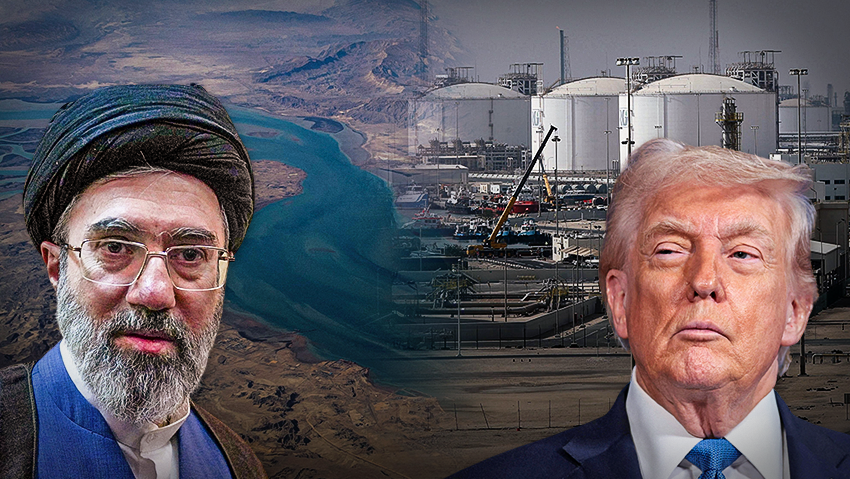
(Photo: Hamed Jafarnejad/ISNA/WANA (West Asia News Agency) via REUTERS, REUTERS/Jonathan Ernst, REUTERS/Stringer, AFP)
“It will be a combination of economic isolation the world has never seen and the continuing blockade in the Strait of Hormuz that will prevent anything from entering or leaving Iranian ports,” he said.
Bloomberg examined what those measures could include, while casting doubt on whether even a dramatically intensified campaign would be enough to change Tehran’s calculations.
At the heart of the effort is Iran’s most important economic lifeline: China. China buys more than 90% of Iran’s exported oil, meaning measures against the institutions facilitating those purchases could directly cut into one of Tehran’s most important sources of revenue.
Since the U.S. war against Iran began in late February, Washington has already imposed sanctions on smaller Chinese refineries and Chinese companies involved in the trade. It has so far stopped short, however, of targeting the major Chinese banks that finance those transactions. Doing so would significantly raise the stakes.
Such sanctions could intensify tensions with Beijing ahead of a planned meeting between President Donald Trump and Chinese leader Xi Jinping. They could also remove discounted Iranian barrels from the global market, potentially pushing already elevated oil prices even higher.
In May, Beijing instructed Chinese companies not to comply with U.S. sanctions imposed on five refineries. China’s largest banks were consequently caught between Beijing’s instructions and the threat of losing access to the U.S. financial system.
Another potential target is the network of currency exchanges, particularly in the United Arab Emirates, that helps Iran bring its money home. Once Iranian oil is sold, Tehran needs intermediaries capable of converting payments, often received in Chinese yuan, into currencies it can readily use.
The U.S. Treasury has already identified this network as a vulnerability and imposed sanctions on Iranian exchange houses as part of Bessent’s “Economic Fury” campaign, accusing them of laundering billions of dollars.
But Iran has spent years building alternative financial channels. Shutting down individual exchange houses could simply push transactions toward new intermediaries, other currencies or digital assets.
A third option would be to threaten secondary sanctions against virtually any entity doing business with Iran, similar to measures Trump used against North Korea in 2017. Such a move would force foreign companies and banks to choose between maintaining business with Iran and retaining access to the U.S. financial system.
Its impact could extend far beyond Iran, hitting neighboring countries and even U.S. allies such as Turkey. Trump threatened in January to impose a 25% tariff on countries trading with Iran, but has yet to carry out that threat.
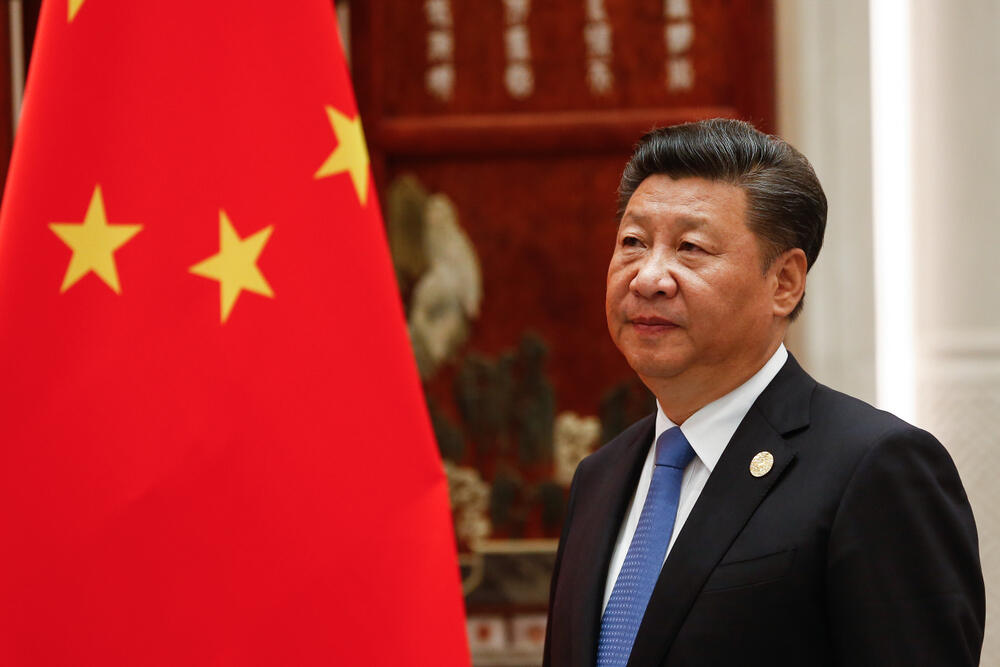
Chinese President Xi Jinping
(Photo: shutterstock)
Washington could also consider seizing Iranian state assets within U.S. jurisdiction, drawing on a precedent set by the George W. Bush administration after the 2003 invasion of Iraq.
Another option would be to widen the campaign against Iran’s so-called shadow fleet. Rather than sanctioning individual vessels accused of moving Iranian oil, Washington could expand its focus to the companies, terminals and infrastructure that enable those shipments.
The question is whether any of these steps, individually or together, would be enough to force Tehran to reconsider its position.
“Unless the president decides to prioritize the Iranian threat over every other issue, first and foremost China, it is unlikely that any step they take will materially change Iran’s calculations,” Bloomberg analyst Chris Kennedy said.