

When Israeli chef Raz Shabtai's MUTRA restaurant in Miami received a Michelin star four months ago, becoming the first kosher restaurant in the world to earn the distinction, it raised more than a few eyebrows. Not only because of the achievement itself, but also because of the location. When did Miami, long associated with winter vacations for American retirees, many of them Jewish, become a destination for high-end kosher cuisine? And how did the city become one of the hottest destinations for Israeli businesspeople?
In Shabtai's case, the business partnership is a story in itself. The tattooed, secular chef works alongside Michael Wertzberger, a Satmar Hasid and real estate tycoon. The two met when Wertzberger, a resident of Brooklyn's Borough Park neighborhood, invited the chef to cook at private events in his Miami vacation home. The Michelin star is just one achievement of their unusual partnership.
Gallery
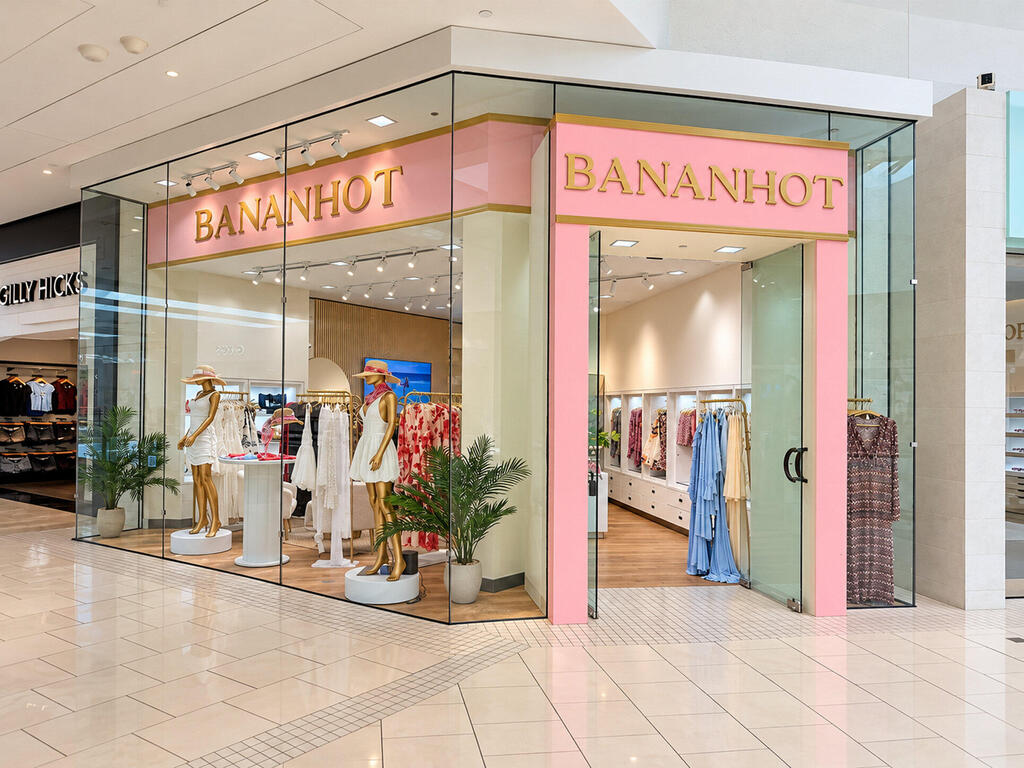
Bananhot store at Aventura Mall in Miami. The pop-up proved successful, and the lease was extended
(Photo: Romi Bar)
Another Israeli venture is preparing to join them. If its founders can overcome local bureaucracy, which they say is considerably more complicated than in Israel, Israeli meat restaurant chain Pitmaster will open its first Miami location. The process has taken roughly two years in Miami, compared with six months in Israel.
Dorian Kopit, the chain's CEO and one of its founders, chose Miami over London, where he had originally planned to open Pitmaster's first restaurant outside Israel. He also preferred it to New York, which is now expected to become the chain's second American destination.
"A week before signing the contract in London, after we had already invested more than a million shekels, we decided to make a U-turn because of antisemitism," Kopit said. "We felt it on the street. We heard from Jewish restaurant owners about Muslim customers making reservations and canceling at the last minute, threatening phone calls and anti-Israel journalists trashing restaurants they had never visited."
Like MUTRA, Pitmaster will be strictly kosher. And it is hardly an isolated example. An estimated 75% of the dozens of Israeli-owned food businesses in Miami are kosher, a far higher proportion than in Tel Aviv.
One reason is the large population of affluent religious and ultra-Orthodox Jewish American businesspeople who have moved to Miami or divide their time between homes in New York, Lakewood and South Florida. They are joined by tens of thousands of Israelis, many of them traditionally observant, who have relocated to Miami in recent years and regard kosher restaurants as another way of maintaining their connection to Israel.
But restaurants are only part of the picture. Israelis are establishing businesses in Miami's real estate, hospitality, fashion and technology sectors, among others. They are attracted by the climate, favorable taxes and business opportunities, but the move also comes at a price: distance from family, soaring living costs and the challenge of building a life and a business far from home. So how did Miami become such a magnet for Israeli entrepreneurs?
Hebrew everywhere
According to reports and studies by the U.S.-Israel Business Alliance (USIBA) and other economic assessments, approximately 429 companies owned or established by Israelis operate in Florida, with the largest concentration in the greater Miami area.
Beyond Israeli high-tech companies and startups operating in the region, a large Israeli community runs thousands of additional local businesses, including real estate and development firms, renovation and construction companies, restaurants, cafes, retail stores, vehicle sales and rental businesses, law offices and community services.
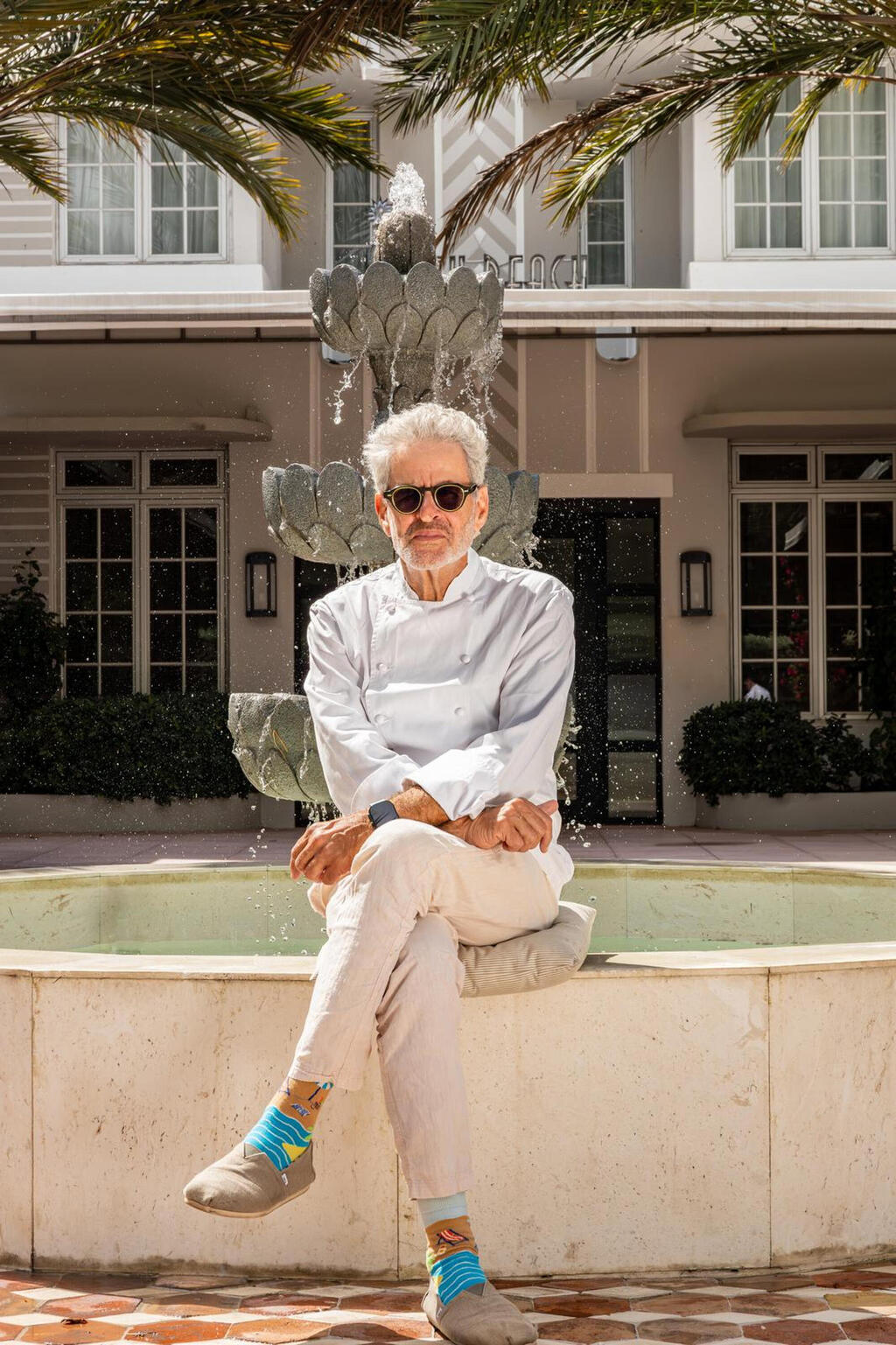
Chef Eyal Shani and Bella restaurant in Miami
(Photo: Isa Campomar)
Israeli companies in Florida are estimated to provide more than 8,000 direct jobs and over 26,000 additional jobs indirectly. Their estimated annual contribution to the state's economy is $7.3 billion.
The Israeli technology sector alone is estimated to contribute approximately $6 billion to Miami's economy, although the city has yet to become an Israeli high-tech hub on the scale of Silicon Valley or New York.
The influx of Israelis began during the COVID-19 pandemic and intensified in 2024. Florida's lack of a state personal income tax, its 5.5% corporate tax rate, weather resembling Israel's for much of the year, convenient access to South America and direct flights to Israel have all contributed to its appeal. July and August, with their difficult heat, are the notable exceptions to the climate advantage.
Miami has moved from being a third- or fourth-choice destination to becoming a leading option for Israelis relocating to the United States, including those who already live elsewhere in the country.
"When we arrived in Miami in 2014, there was barely any Israeli atmosphere here," recalled attorney Esti Lavit-Azulay, a married mother of three who chairs the Israeli-American Council (IAC) in South Florida.
"The Israelis here were mostly people who wanted to establish small local businesses. But since the war, there have been many high-tech professionals, engineers and doctors. You see a huge variety of businesses and chefs, and you hear Hebrew everywhere."
Demand for community activities has grown so much, she said, that the IAC had to divide its Florida operations into three regions. The Israeli Scouts movement has doubled its activities.
"I walk around wearing a Star of David necklace. I wouldn't dare do that in New York. My son goes to a regular school wearing a shirt with a Star of David printed on it. From time to time, you hear about antisemitic incidents at school, but there are people you can work with and talk to."
She pointed to what she described as a generally supportive environment, including a Jewish school principal, a governor supportive of Jews and Israel, and Jewish mayors in several cities across the Miami metropolitan area. Commercial areas are filled with Israeli businesses, from the sprawling Aventura Mall to the Wynwood district, where Israeli businessman Moshe Mana recently sold a major property holding.
"During the war, I saw pictures of the hostages on the ground. Israelis are regarded as successful people in this city," she said.
That does not mean antisemitism has disappeared. After MUTRA received its Michelin star, its website was flooded with antisemitic insults and protests, forcing employees to spend considerable time deleting them.
Even so, Miami and its surroundings include areas with substantial Jewish and Israeli communities, among them Aventura, Hollywood, Sunny Isles Beach, Plantation and Bal Harbour. Since October 7, the Israeli community has also demonstrated its organizational strength through emergency response initiatives, fundraising and efforts to combat antisemitism in the United States.
Miami's Israeli community is now considered the third-largest in the United States, after New York and Los Angeles. Those two cities, along with Boston, were traditionally the main destinations for Israeli businesses expanding into the American market and for Israelis relocating to the country. If the current pace of migration continues, Miami could eventually move into second place. But doubts are beginning to emerge, chiefly because of the city's rapidly rising cost of living.
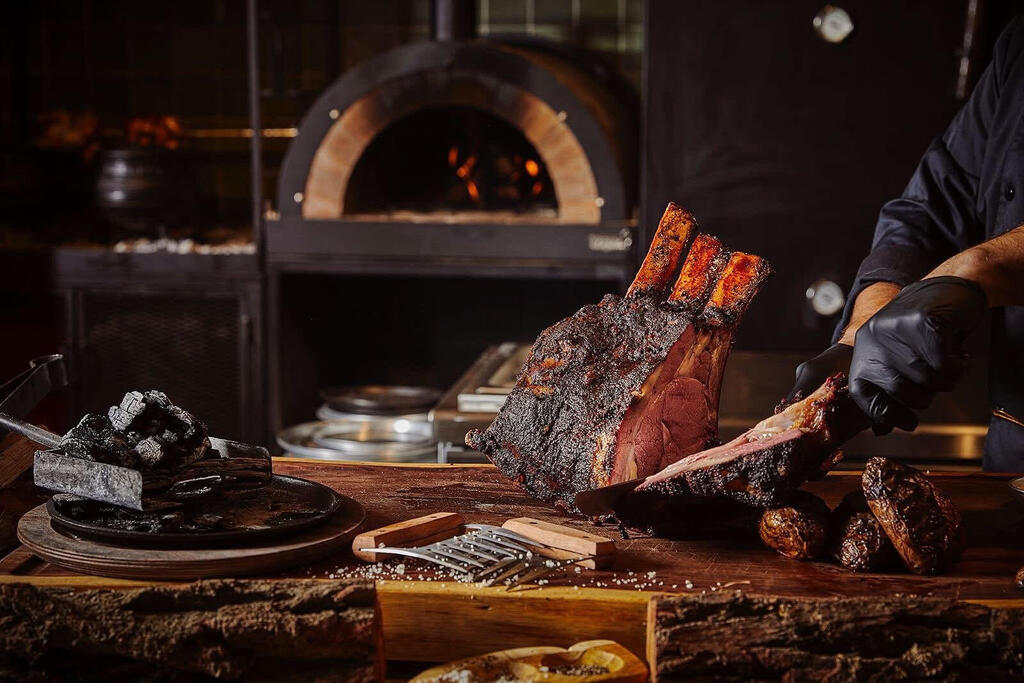
Pitmaster restaurant in Miami
(Photo: Gil Aviram)
In July, Miami was ranked the second-most expensive metropolitan area in the United States, behind San Francisco and ahead of New York and Los Angeles. Real estate prices have surged. Overall housing costs in Miami are approximately 5% higher than those in New York and its suburbs. Home prices have jumped 79% since the pandemic, while rents for two-room apartments have increased by about 60%.
Much is said about Florida's low taxes. Less attention is paid to its exceptionally high property insurance premiums, averaging approximately $8,200 annually, largely because of storm and flood damage.
Miami also ranks high in transportation expenses, which account for approximately 20% of a household's budget. Supermarket prices have risen by at least 21% compared with 2022, while dining out is more expensive than anywhere else in the United States. Since the beginning of the pandemic, the cost of eating at a midrange restaurant has climbed by roughly 25% to 30%.
Just how many Israelis live in Miami? Estimates generally range from 120,000 to 200,000.
Before deciding to open the fifth American location of its Bingo supermarket brand in Miami, Israeli retailer Osher Ad examined the local market. Surveys used in that assessment indicated that roughly 750,000 Jews lived in greater Miami, approximately half of them Israeli.
Lavit-Azulay believes those figures are exaggerated. There is no definitive count, even at the Israeli Consulate. She estimates that the number of Israelis is closer to 200,000.
‘Pushy and persistent’
"For decades, New York, San Francisco and Boston were the natural destinations for Israeli companies seeking to establish American operations," explained Nadav Solomon, president of the U.S. operations of Tabit and one of the founders of the company, which provides technology solutions to more than 4,000 restaurants in Israel and around the world.
"Miami was seen mainly as a tourist destination and a center for real estate and trade with Latin America. But in recent years, the picture has changed. Miami has begun attracting investment funds, technology companies, wealth managers and families with substantial assets."
The change creates a cumulative economic effect, he explained: More capital attracts more businesses, businesses attract talent, and a growing affluent population generates demand for restaurants, hotels, services and technology.
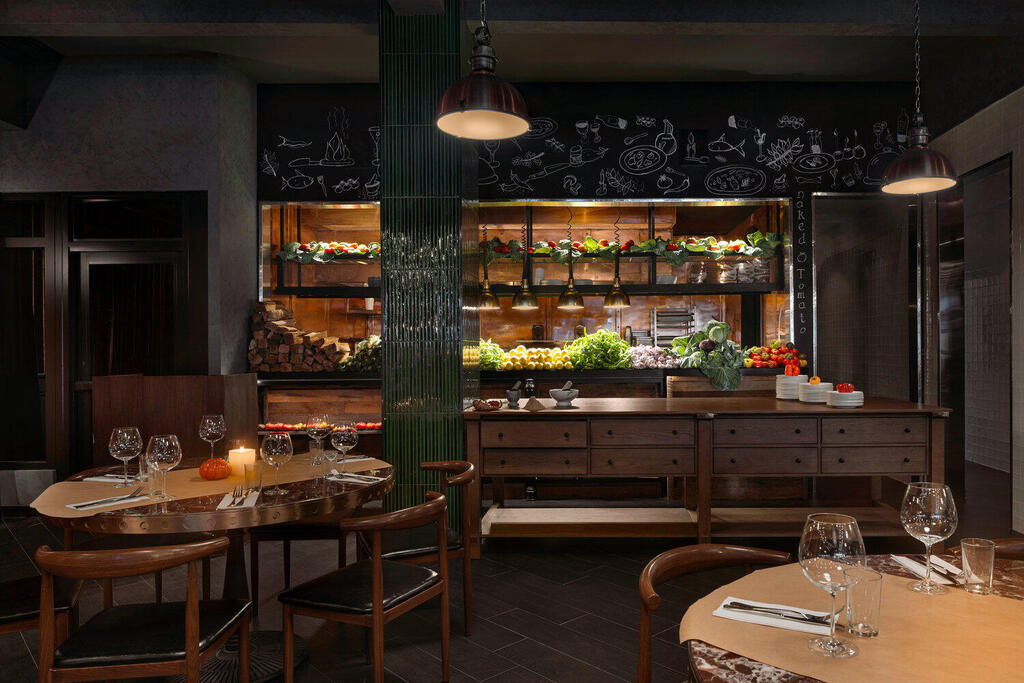
Eyal Shani's Naked Tomato restaurant
(Photo: Rick lew)
"Miami isn't necessarily a cheap city, and competition for skilled employees is intense. But for international companies, the advantage isn't just cost. It's the combination of access to capital, customers, talent and quality of life."
Why are Israeli businesses particularly successful in Miami?
"For Israeli entrepreneurs, Miami offers a combination that's difficult to find elsewhere in the United States," Solomon said. "The cultural distance between Israel and Miami is relatively small. It's an international, multicultural, fast-moving and dynamic city, with significant Jewish and Israeli communities."
He also sees a natural connection between the local business culture and the Israeli entrepreneurial approach.
"It's a city where personal relationships and the ability to execute quickly play a central role. Those characteristics fit the Israeli entrepreneurial style, which often relies on flexibility, improvisation, rapid decision-making and a willingness to take risks."
There is also a clear commercial advantage. An Israeli software company can retain its development center in Israel while establishing commercial management in Miami, recruiting American sales and service employees and serving customers throughout the United States.
That is the model adopted by Tabit, which Solomon founded with partner Barry Shaked. It allows the company to combine Israeli technical expertise with a commercial presence and direct access to American customers.
"Israelis succeed in real estate because we're pushy," said Lavit-Azulay, who specializes in real estate, civil law and personal injury. "We're not embarrassed, we believe in what we're doing and we stick with it. Most Israeli businesspeople are honest, and clients tell me they enjoy doing business with them. Wherever you put an Israeli community, you'll see the real estate sector flourish."
But that persistence is sometimes tested by the realities of American bureaucracy. Ido Levy, one of Pitmaster's owners and the person responsible for operating the new Miami restaurant, remains stunned by the lengthy process of getting the location ready. It was originally supposed to open in June.
"We've already paid $700,000 in rent for a restaurant that isn't operating," he said. "The American bureaucracy in this field is much harder than in Israel. You need regulatory approval for everything. We waited more than six months for the first permit, which in Israel is issued automatically."
"If you want to replace a service provider, contractor or electrician, you wait another month for approval. Every time, something new comes up. We even had to replace the smoke detectors we'd installed because we were told they might cause an epileptic seizure in the chef if they went off."
Still, Levy recalled one revealing moment at City Hall. "The inspector told us, 'I love Israelis because you're stubborn and you don't give up.'"
The family price
Dor Sandler, 38, manages the Miami operations of TFU TFU, his family's menswear chain specializing in natural fabrics. He hopes to open another five stores in the United States over the next year and a half, including two or three in Miami, where the chain currently operates one store. The other planned locations are in California and possibly Nevada.
He and his wife, who is also his business partner, are waiting for work visas. Yet Sandler, a father of two, has no intention of relocating permanently.
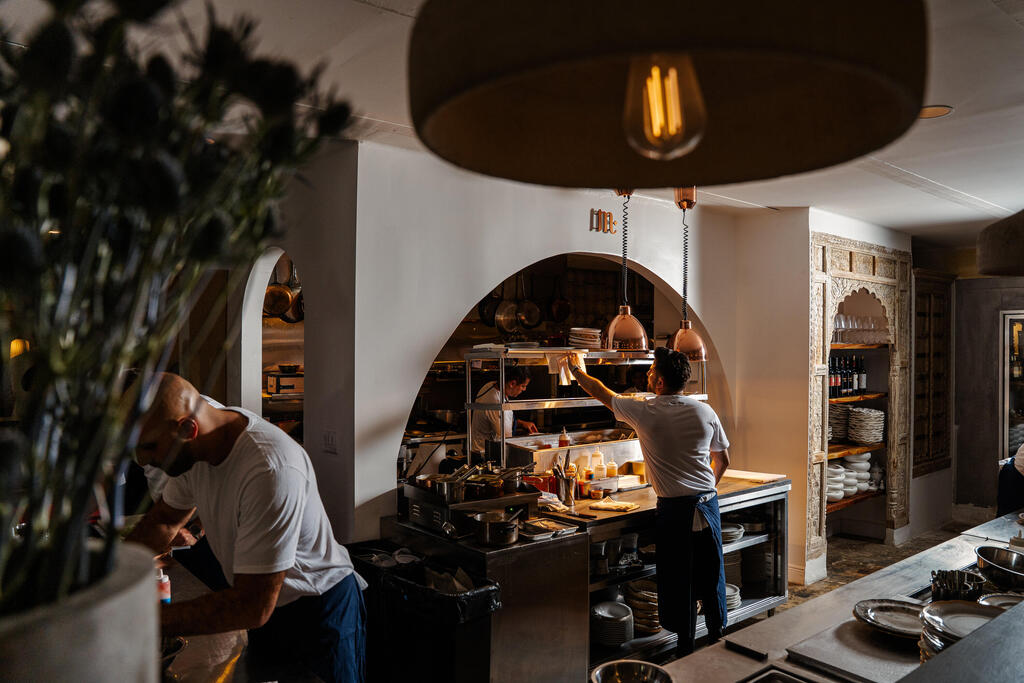
MUTRA restaurant in Miami. Demand has risen by 30% to 35% following its Michelin star
(Photo: Adir Avivi)
"I'm not willing to leave my family," he said.
TFU TFU was established in 2019 following a crisis in the family's longstanding women's clothing manufacturing and retail business, founded by Sandler's parents approximately 40 years ago.
Sandler first became familiar with Miami at age seven, when his grandparents lived there. He later began considering the city as a destination for expanding the chain because of growing online orders from American customers and the difficulties of shipping products from Israel.
During a vacation in October 2025, he found a location for a pop-up shop on Lincoln Road, a major Miami shopping street. The pop-up eventually became a permanent store.
Like his mother, who controls the company, Sandler insists that every product be manufactured in Israel. Customers who object to the "Made in Israel" label are asked to leave.
"We're a close-knit family, including in the business. We want to grow, but it won't come at the family's expense."
"The distance from family is a very serious disadvantage," Lavit-Azulay acknowledged. "And yet, when I look around, I see that the price isn't too high for many people. The proof is that they choose to live here, even when they arrive on visas that don't allow them to return to Israel. People don't work here the way they do in Israel. Salaries and opportunities are on a completely different level."
Solomon also emphasized the emotional costs of relocation. "In Israel, we're used to a very strong family and social support system: parents, siblings, friends from the army, childhood friends. In Miami, even with a large Israeli community, it's not the same."
"When you move with children, it matters. The children miss part of their daily relationship with their extended family, and the grandparents miss part of their childhood. You can't put a financial value on that."
Identity presents another challenge. Children grow up as Americans, study in English and make American friends. Over time, parents must make a greater effort to preserve the Hebrew language, Israeli culture and ties to Israel.
Another factor that often receives too little attention, Solomon said, is the accompanying spouse. Many families relocate because of a professional opportunity for one partner, while the other has to sacrifice a career, family, friends and a familiar environment.
"If that partner doesn't manage to build a fulfilling life in the new place, even major business success won't necessarily compensate for it."
There is also the financial burden. Families hear that Florida has no state income tax and assume life must be cheaper. In practice, households with children face substantial expenses for housing, health insurance, education, cars, insurance and flights to Israel.
So when is it worth making the move?
"When relocation creates a genuine opportunity to change the course of your life, rather than just a small salary increase," Solomon said. "If you're an entrepreneur who wants to build a global company, the American market can open doors that are very difficult to reach from Israel alone."
Living in the United States can also offer children advantages in language, education and future opportunities. But both partners need to be committed, and the family's goals must be clear from the outset. "If the business succeeds but the family isn't happy, it's hard to call that success."
Restaurants lead the way
Food is undoubtedly one of the most prominent sectors for Israeli businesses in Miami, with approximately 80 to 100 businesses. Many neighborhood supermarkets are Israeli-owned, with shelves stocked with familiar Israeli products. They include Silvia's and Aroma Market in Cooper City, Kosher Kingdom and others.
One of the most interesting developments is the expected arrival of Osher Ad through Bingo, its American supermarket brand. After considering several locations, the company purchased a large building near Hollywood and Interstate 95 that previously served as a Budweiser distribution warehouse.
The Miami Bingo location is planned to cover approximately 6,000 square meters, alongside a large logistics facility. Tens of millions of dollars are expected to be invested in adapting the building and parking area, with the store scheduled to open around the Jewish High Holidays next year.
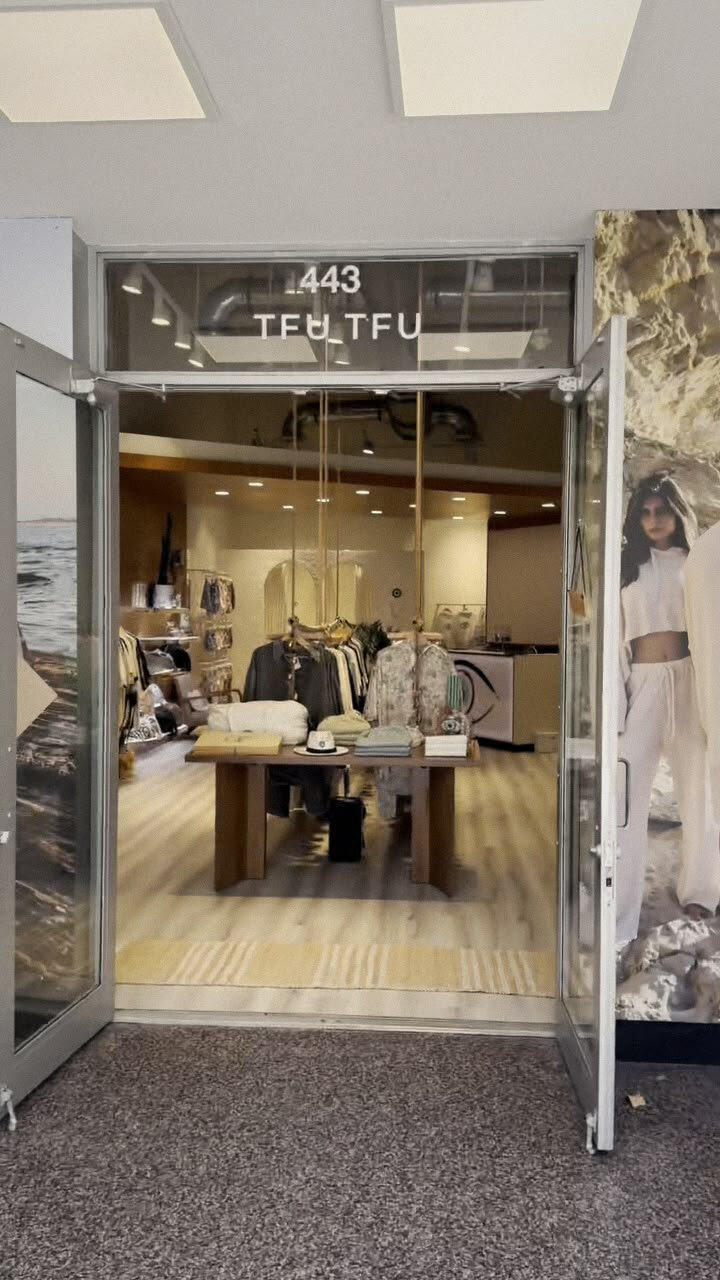
TFU clothing store in Miami
(Photo: PR)
Beyond supermarkets, Israeli businesses operate cafes, shawarma stands and luxury restaurants. The first generation of Israeli restaurants in Miami largely arrived with hummus, shawarma and falafel. Some survived. The newer generation is increasingly focused on high-end dining.
"Most restaurants in Miami are the same thing in different packaging. We came from somewhere else," said Shabtai, whose Michelin-starred MUTRA serves modern interpretations of Middle Eastern, Jewish and Jerusalem cuisine, with a farm-to-table approach.
"We don't have freezers. We work only with fresh meat, and alongside the ingredients and the chef, the experience is important."
The experience is also central to Pitmaster, where meat preparation and carving are presented to diners alongside singing and music. "We're not trying to compete with the American meat market, which has its own particular flavors and sauces. We're offering the Pitmaster experience, which is much bigger," Kopit said.
As rising food prices and labor costs make dining out more expensive, selling an experience allows restaurants to charge higher prices and build customer loyalty. Pitmaster, for example, can offer a VIP experience priced at $225 per person alongside a standard price of approximately $130 per diner.
Shabtai also plans to focus on the dining experience in several additional strictly kosher ventures with his Hasidic partner. "There's demand for it from a central target audience in Miami, and the non-Jewish customers who come to the restaurant have no problem with it," he said.
The Michelin star has provided another boost. "It has only done us good. It automatically increases demand by 30% to 35%, although we were always full even before that. We seat no more than 120 people a day. Today, there's a waiting list every day."
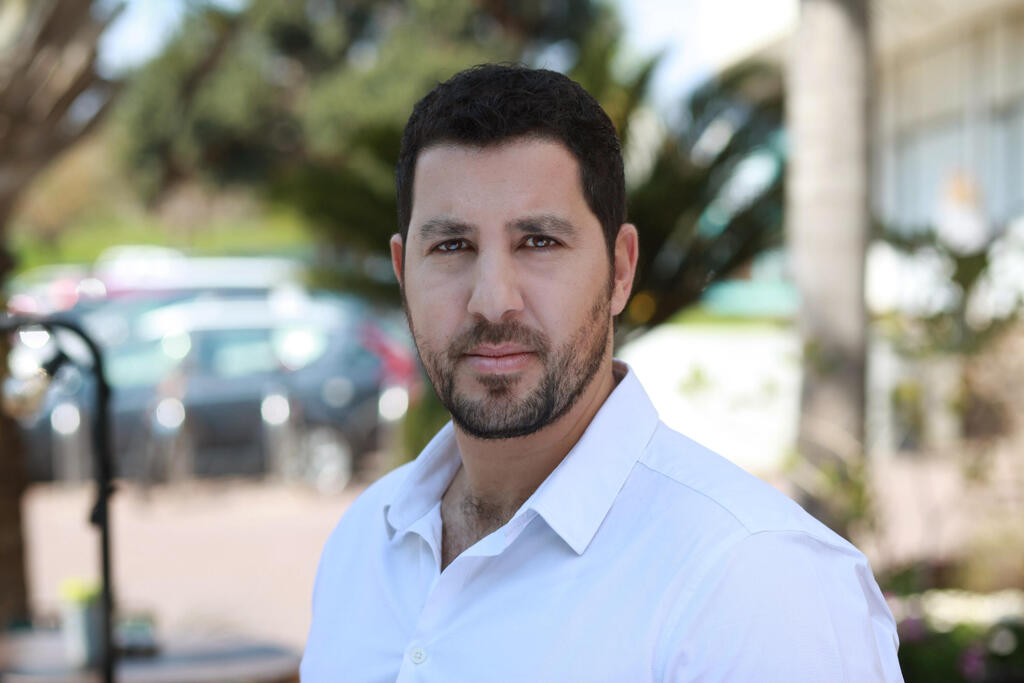
Nadav Solomon, Tabit co-founder and president
(Photo: Ilan Bashor)
MUTRA, named after Shabtai's grandmother, will remain a one-of-a-kind restaurant. "There's only one Grandma Mutra," he explained.
The partners are working on additional projects, including an Israeli street-food concept, an invitation-only dining bar with just 20 seats and seven dishes that change daily, a dairy restaurant and expansion into the events business. Their ambition is for MUTRA to retain its Michelin star in 2027 and for another project to earn a star as well.
Israeli celebrity chef Eyal Shani also emphasizes the experience across his three Miami-area restaurants. Naked Tomato, located inside a hotel, specializes in Mediterranean grilled skewers, freshly prepared laffa bread, salads and mezze.
Bella, at a hotel in the Collins Park area, serves Shani's interpretation of Italian cuisine. His third restaurant, Malka, is a kosher establishment in West Palm Beach, north of Miami.
Restaurateur Shlomi Ezra, one of the owners of the SOHO Group, also operates culinary venues in Miami, combining hospitality, food, design and professional business operations.
Lior Hazan's Café Noir has become a familiar name in Miami, valued not only for its food but also as a meeting place for families, businesspeople and entrepreneurs. Other Israeli ventures include Assaf Haddad's HaDekel restaurant and the Ruben chain, which has approximately 30 branches in Israel and recently opened a Miami location.
Israeli restaurateurs Shay Yaakov and Meir Safri, both electronics engineers who remained in Hollywood after a trip through South America, have also expanded their local restaurant operations into Miami after opening two locations in Hollywood.
Then there is ice cream. Anita, the international brand associated with Israel's Golda ice cream chain, operates 30 branches outside Israel across 12 countries, including seven in the United States and one in Miami.
"We might open another branch there. We're focused on the United States, and over the coming year, we'll open another three branches at the Venetian hotel in Las Vegas," said Adi Erez Avital, the chain's marketing manager. "Our intention is to become a major global ice cream chain, but to grow slowly and carefully."
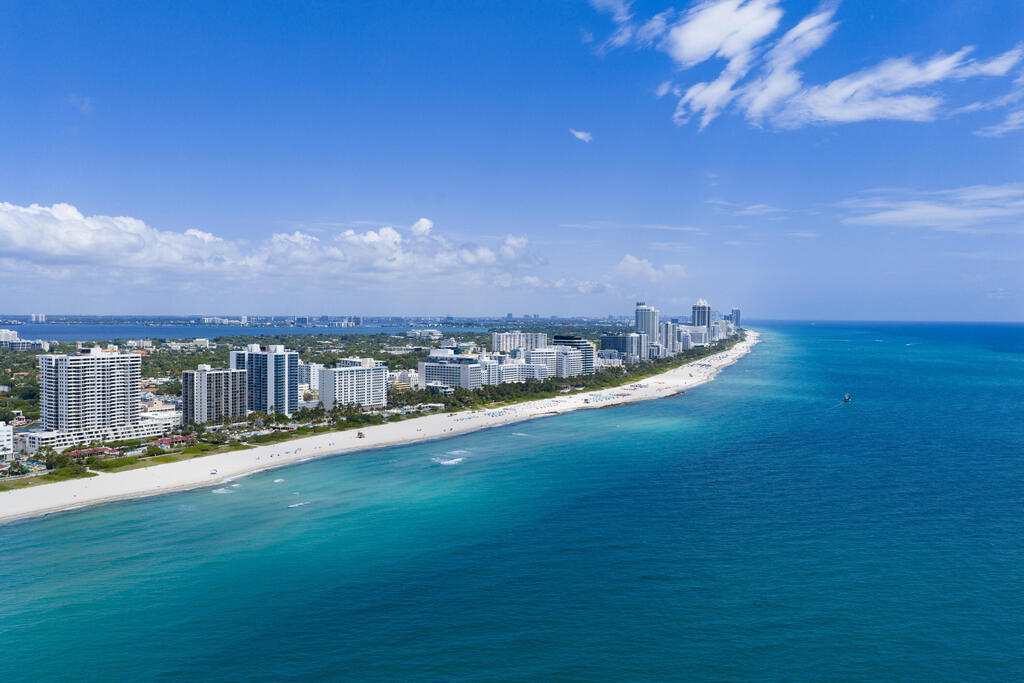
Miami coastline
(Photo: Just dance/Shutterstock)
And which flavor do Americans prefer?
"At our Times Square branch, the bestseller is mint chocolate. In Miami, the leading flavors are similar to those in Israel, with salted pretzel in first place. Wherever there are Israeli customers, salty flavors sell like crazy."
Café Landwer already operates two branches in Miami, with a third expected to open. Israeli pastry chef Dudu Outmezgine also plans to open his first New York location in January, followed by Miami, with a new concept combining a patisserie and bakery.
But not every Israeli business succeeds. Aroma closed its Miami branch during the pandemic. Even Eyal Shani closed his Salon Miami restaurant about a year ago. Over the years, dozens of Israeli hummus restaurants, shawarma shops and bakeries have opened through franchisees or entrepreneurs. Many closed within one to three years because of soaring rents.
Despite the growth of Miami's Israeli community, it is not always large enough to sustain a business. Restaurants that fail to attract American or Latin American customers can struggle to survive in the long term.
Local regulations and licensing requirements create additional difficulties. Florida's labor laws and business licensing procedures differ substantially from those in Israel and can be more demanding.
How will rising prices affect the restaurant industry?
"It's one of the most significant challenges over the coming years," Solomon said. "I don't think growth in Miami's restaurant industry will stop, but it will become much more selective. In the coming years, businesses that aren't managed properly will struggle to survive."
Fashion and lifestyle
Bananhot, the swimwear brand founded by Israeli entrepreneurs Neta Alchimister and Noa Benny, has established a presence at Miami's Aventura Mall. The move followed Benny's relocation to Miami, where she married about a year and a half ago.
She believes Miami is a natural fit for Bananhot because of its weather, atmosphere and proximity to the beach. The company initially opened a two-month pop-up store, which proved successful enough for the lease to be extended.
"The agreement runs until January 30. We're learning the market, and at the end of December we'll make a decision, depending also on the location we're offered in the mall," said Liora Boni, Benny's mother, who manages the brand's Miami operations.
"Our dream was to gain exposure. Some of the new collections were launched specifically in Miami so our customers could experience us, and we achieved that."
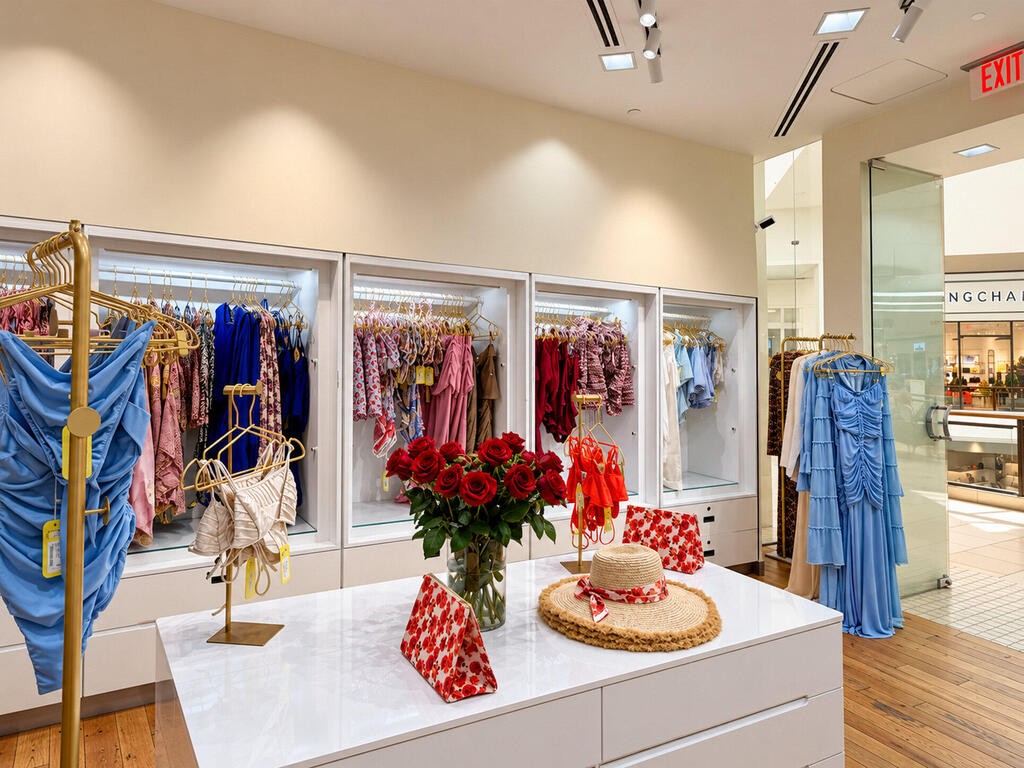
Bananhot store at Aventura Mall, Miam
(Photo: Romi Bar)
TFU TFU has also opened a large flagship store, spanning approximately 250 square meters, on Miami's main pedestrian shopping street. Israeli fashion brand Mania Jeans operates two Miami locations, including through its children's brand, NAIZZ.
Tel Aviv resort-wear brand GALLABIA holds occasional pop-up events in Miami, particularly in Aventura, Bal Harbour and South Beach.
Jewelry brand YVEL has a flagship store in Miami alongside a presence in American luxury retail chains. Haimov Jewelry, the luxury jewelry boutique of Israeli designer Yigal Haimov, has operated in the city since 1989 and is popular among celebrities and collectors.
Several Israeli fashion designers also sell their products through luxury boutiques without operating their own stores. They include bridal designer Berta and swimwear designer Shani Shemer, whose clients include Gal Gadot, Bar Refaeli, Chrissy Teigen and Paris Hilton.
Ivanka Trump recently wore a blue swimsuit set by Shemer during the weekend celebrations surrounding her brother's wedding in the Bahamas.
Real estate and hospitality
The sectors involving the largest sums of money are real estate and hospitality. Israelis are highly active in property investment, development, construction, renovation and management.
Among the leading figures are Michael and Gil Dezer of Dezer Development, who control large beachfront holdings in Sunny Isles Beach and have developed luxury towers associated with Porsche, Bentley and Trump.
Another major player is BH Group, led by Itzik and Liat Toledano, whose projects are estimated to be worth approximately $11 billion.
Moshe Mana's Mana Group recently completed a $1.1 billion land sale in Wynwood to Ken Griffin, in what the report describes as the largest land transaction in South Florida's history. Mana retains additional holdings in the area.
Raanan Katz, one of the earliest Israelis to establish a significant real estate presence in Florida, is another prominent figure. His company, RK Centers, specializes in acquiring, developing and managing shopping centers in the United States and operates numerous properties across South Florida. Other Israelis with extensive real estate activities in greater Miami include Yitzhak Tshuva, Haim Katzman, Bebo Kobo, Adam Neumann and the Nakash family.
High tech takes off
Miami has not replaced New York, nor does it come close to matching the overall strength of Silicon Valley's technology sector. Its financial industry is also far smaller than New York's. But it has become a place where major companies are willing to invest substantial capital and establish business and technology operations.
One prominent example is Ken Griffin, founder of Citadel, one of the world's largest hedge funds, and Citadel Securities. In 2022, Griffin announced the relocation of the companies' headquarters from Chicago to Miami, a move that marked a significant development for the city's business ambitions.
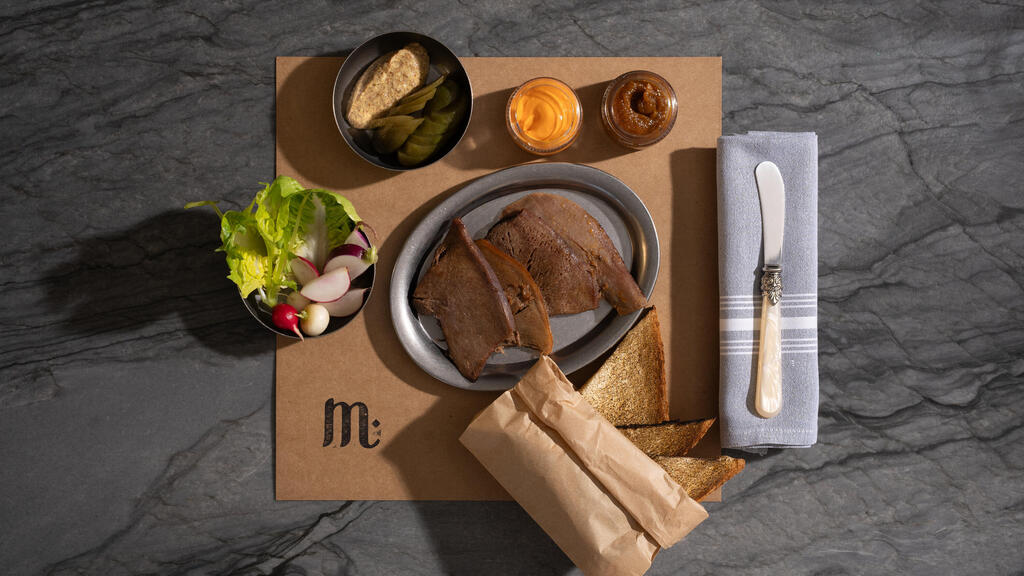
MUTRA restaurant in Miami
(Photo: Adir Avivi)
Blackstone, which manages more than $1 trillion in assets, announced plans for a technology center in Miami in 2020. Goldman Sachs and other financial institutions have also expanded their presence in South Florida.
Miami has increasingly become a destination for Israeli cybersecurity, fintech and medical technology companies. For most Israeli high-tech firms, the Miami office serves primarily as a center for marketing, sales and customer service, targeting the American and Latin American markets, while research and development remains in Israel.
There are exceptions and variations, including Tabit, which is headquartered in Israel and serves more than 4,000 customers, about a quarter of them in the United States. The company has brought technology into the complex restaurant sector, developing a single platform for managing orders from suppliers and customers, deliveries and other operational needs.
Another example is DoorLoop, a property management software company founded by Ori Tamuz and David Bitton. Its headquarters is in Miami, while its development center is in Tel Aviv.
Momentis Surgical, founded by Dvir Cohen and Prof. Nir Shvalb, operates in the field of surgical robotics. The company is headquartered in Or Yehuda, Israel, with an American subsidiary in Fort Lauderdale.
Wix has also operated in Miami Beach since 2015 and employs hundreds of people there. And the list of Israeli technology companies building an American presence in South Florida continues to grow.