

The Bank of Israel intervened in foreign currency trading in May for the first time since the COVID-19 pandemic crisis, buying $801 million after what it described as irregular market activity, ynet learned on Sunday.
According to a senior Bank of Israel official, the move was not meant to influence the shekel’s exchange rate, as similar interventions have done in the past, but was carried out because “irregular activity was detected in the foreign exchange market that required intervention in trading.”
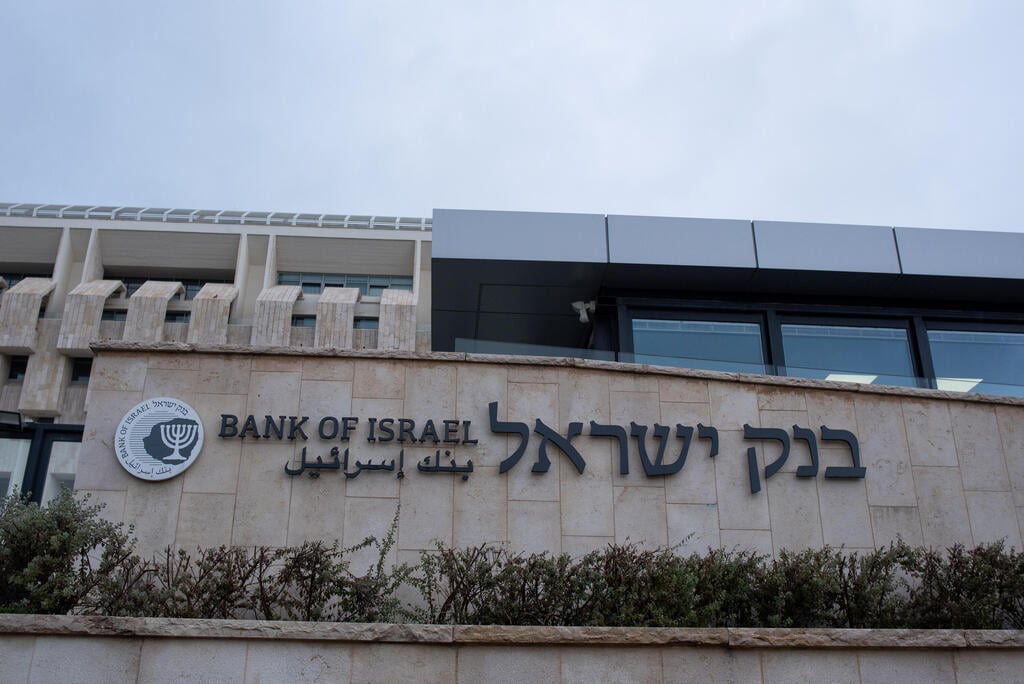
The Bank of Israel in Jerusalem
(Photo: Shalev Shalom)
The central bank avoided describing the activity as speculation, but foreign exchange experts said that was effectively the meaning of the bank’s vague explanation for the rare move.
The Bank of Israel said its foreign currency reserves stood at $238.681 billion at the end of May, up $2.953 billion from the previous month. The reserves amounted to 37.2% of gross domestic product.
The increase was driven mainly by a $2.685 billion revaluation of reserves and the $801 million in foreign currency purchases, which the bank said were made in May “on a targeted basis to maintain the continued orderly functioning of the markets.” The rise was partly offset by $721 million in government foreign currency activity.
Brokers also claimed the Bank of Israel intervened in trading last Friday, helping push the dollar above 2.90 shekels after it had traded below 2.80 shekels earlier in the week.
The Bank of Israel declined to comment, saying it does not report foreign exchange activity except in its monthly report, published at the beginning of each month.