

The Finance Ministry is preparing to roll out a pilot program that would eliminate Friday classes in kindergartens and elementary schools, bringing the country in line with the five-day school week standard across OECD nations.
The program, dubbed “From Quantity to Quality,” is expected to launch within weeks in 30 classrooms and kindergartens in central Israel, with a nationwide rollout planned for the 2027–2028 academic year. Under the initiative, the school week will be reduced from six to five days, while the academic year will begin earlier—on August 15 instead of September 1—shortening the summer break by two weeks.
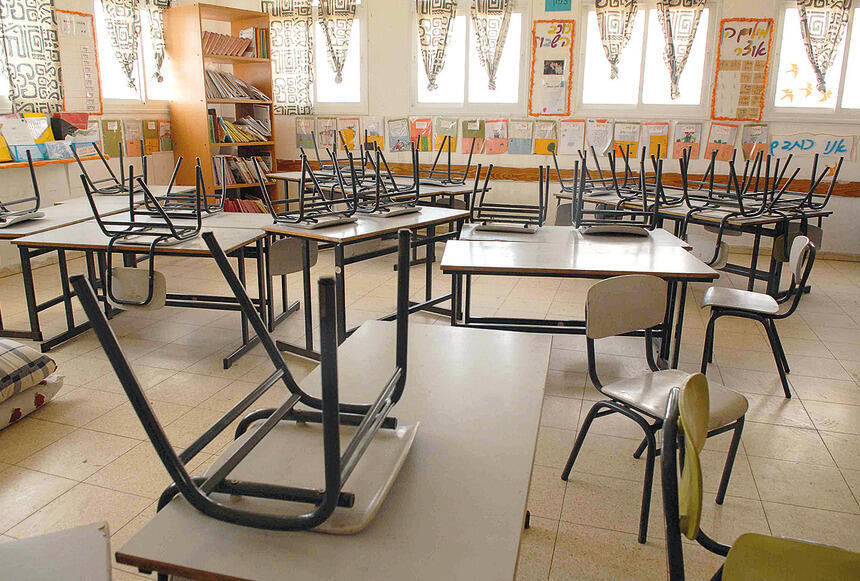
The policy represents a significant structural shift for Israel’s primary education system, which currently includes shorter classes on Fridays. Eliminating Friday instruction will remove approximately 30 school days from the calendar each year. In return, education officials say, the earlier start to the year will improve learning continuity by avoiding the disruption of fall holidays like Rosh Hashanah, Yom Kippur and Sukkot, which typically begin shortly after the current September 1 start date.
According to the Finance Ministry’s Wage Division, which developed the plan, the change will reduce the demand for teachers and kindergarten staff by 8%. The roughly 2 billion shekels saved annually will be reinvested into the system, primarily to raise salaries, recruit higher-quality educators and improve technological instruction across schools.
Officials emphasize that the move is intended to address a growing shortage of teachers and to shift focus from quantity—Israel ranks among the highest in instructional hours within OECD countries—to improved teaching quality and educational outcomes.
Israel is currently the only OECD member state where children attend school six days a week. Treasury officials involved in finalizing the plan say that in addition to aligning Israel with international norms, the change responds to widespread teacher shortages and low attendance rates on Fridays.
The pilot will initially take place in select communities, including Ra’anana, where parents have already been notified via school WhatsApp groups. If successful, the reform is expected to be adopted nationally in the following school year.

Teachers’ Union chief Yaffa Ben-David
(Photo: Kobi Kuenkas)
Teachers’ Union chief Yaffa Ben-David attacked the Finance Ministry on Tuesday at the annual conference of the Association of Heads of Local Authority Education Departments in Eilat, saying that “summer break will not be shortened.” According to Ben-David, the Treasury did not invite her to take part in discussions, but instead “went to the media and is heating up the parents.” She added: “I say unequivocally that shortening the vacation will not happen.”
Regarding the shortening of the school week, Ben-David said she does not oppose it. However, she noted that in her view, it must be ensured that teachers work four days a week so they have one day for personal arrangements. “The system will operate five days, but every teacher will work four days. This already works this way in many middle schools today. What if teachers want to study or go to professional training?”
941 teaching hours per year
According to data from the Wage and Labor Relations Division at the Finance Ministry, primary schools in Israel currently teach more hours than in any other country — 941 hours per year, compared with only 804 hours in OECD member states.
The 20 school days that will be reduced — eliminating Fridays, which are equivalent in total hours to 30 school days on other weekdays, minus 10 additional school days to be added in August — will save the education system significant funds, all of which will be allocated to raising the quality of teaching and improving kindergarten teachers’ and teachers’ salaries so their level can rise.
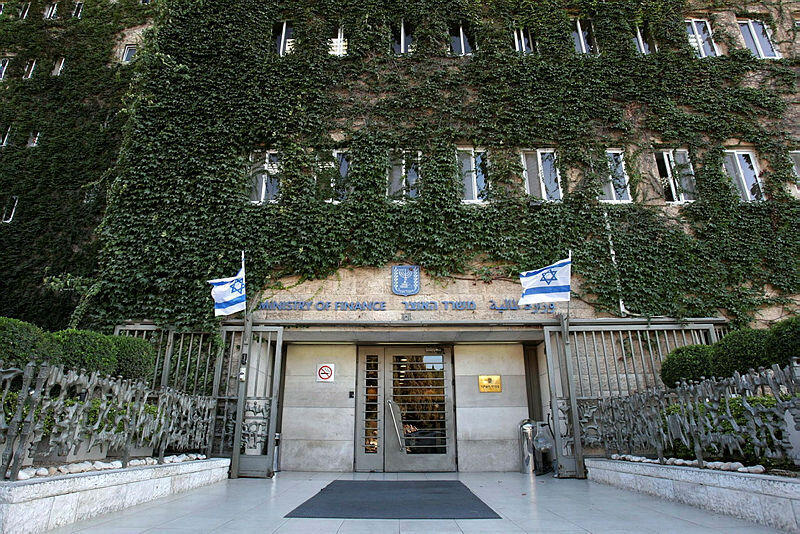
The Finance Ministry in Jerusalem
(Photo: Amit Shabi)
What will be saved on one hand will reduce teachers’ workload, while on the other hand, for example, additional homeroom teachers will be added in elementary schools so that, under the plan, each class will have two homeroom teachers. Today, there are about 200,000 kindergarten teachers and teachers in the primary education system. Under the plan, together with the existing number of teaching assistants, demand for teachers will be reduced by about 20,000 per year. As a result of canceling Friday classes, 1.2 billion shekels a year will be saved in elementary schools and half a billion shekels in kindergartens.
The Finance Ministry said Tuesday that as part of formulating the plan — of which Finance Minister Bezalel Smotrich has been updated on all details in recent days — Treasury officials have already held consultations with experts, including from the OECD. A recent OECD study determined that “the quality of a teacher is worth four times the quantity of teachers.”
As learned, discussions between senior Finance Ministry officials, the Teachers’ Union and the Education Ministry are expected to begin as early as this month. The current agreement with the Teachers’ Union ends on Dec. 31, 2026, and therefore the new plan is intended to be implemented in the next agreement.
The Finance Ministry rejected claims that the plan will burden parents who work on Fridays. “Families will actually benefit from this,” said a Treasury official. “As part of the plan, there will be an expansion of educational programs, as well as youth movement activities on Fridays, and many parents will gain quality time with their children. It should be remembered that most parents do not work on Fridays, and that even today student attendance on Fridays is very low.”