

CareBestie announced its public launch following a $4.4 million Seed round. The round was led by TLV Partners with participation from strategic angel investors with deep operating experience in healthcare and enterprise software, including Dan Adika, founder of WalkMe which was acquired by SAP, as well as Andrew Parker, founder of Papa, and other industry leaders.
CareBestie is an AI driven, voice based patient engagement infrastructure purpose built for post acute and long term care. The company is currently working with agencies covering more than 55,000 average daily census patients across the United States, including Elara Caring and Pinnacle Home Care.
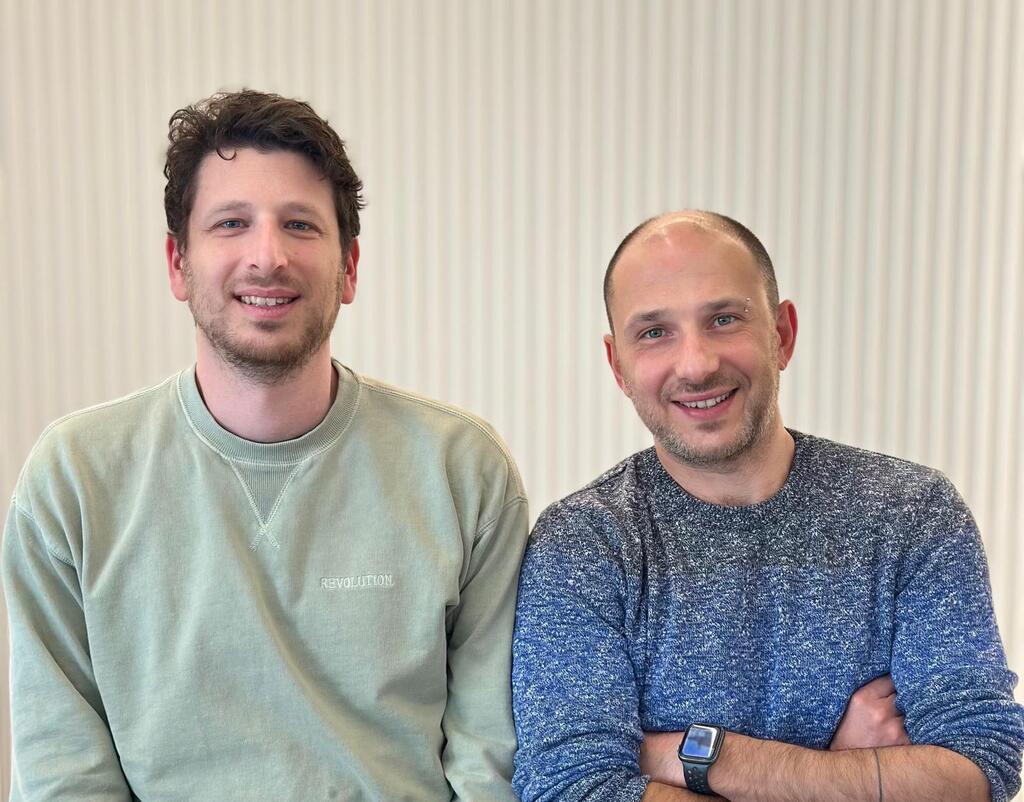
(Photo: Michal Hertzmann)
CareBestie provides agencies with a continuous, agency branded patient engagement infrastructure that operates between visits through familiar phone calls in the patient’s preferred language. The infrastructure engages patients proactively, captures timely insights into physical and mental wellbeing, and escalates only when human follow up is required. This creates a new layer of visibility across the entire census, allowing agencies to increase patient touchpoints without adding headcount.
“There is a widening gap between the number of people who need care and the number of people available to deliver it,” said Shahar Tzafrir, Managing Partner at TLV Partners. “CareBestie is building critical infrastructure for continuous engagement that supports physical and mental wellbeing while reducing reliance on scarce human resources. This is the type of foundation that becomes more essential as demographics and care delivery models continue to shift.”
Senior home health industry leader Bud Langham, former SVP at Enhabit, joined CareBestie prior to the funding, driven by strong belief in the mission and the need for meaningful change across the industry.
“With reimbursement pressure increasing, we need to figure out a way to increase visibility into what is happening with patients at home continuously and in real time,” said Langham. “CareBestie removes the blind spots agencies face today. It increases patient touchpoints and creates clarity for agencies to decide when and where human intervention is actually needed.”
As demand for care continues to outpace the availability of caregivers, CareBestie is positioning itself as foundational infrastructure for continuous patient engagement across care settings.
Early customers are already seeing the operational impact of adding this engagement layer.
“CareBestie delivered quickly and operated exactly as designed,” said Sean Spellberg, CEO of Pinnacle Home Care. “What stood out was not just performance, but the operational clarity it created. For the first time, we had a structured, continuous patient touchpoint layer that gave us real insight into what was happening across our census.”
Spellberg added, “This is not about replacing teams. It is about adding a new layer of patient engagement that helps agencies understand when and where human intervention is actually needed. That fundamentally changes how you deploy staff at scale.”
CareBestie was founded by serial entrepreneur Daniel Haven, previously the founder of ProctorExam which was acquired by Turnitin, together with David Ilievsky, former VP of R&D at Navina AI and RapidAPI. The company was built in close collaboration with post acute and long term care operators to align with real world workflows, staffing constraints, and compliance requirements.
With the new funding, CareBestie plans to expand across the U.S. and reach more than 250,000 patients in 2026, while continuing to deepen partnerships across home health, hospice, and home care organizations nationwide.
CareBestie provides voice based patient engagement infrastructure for post acute and long term care organizations. Through familiar, agency branded phone calls, CareBestie helps agencies maintain continuous connection with patients between visits, surface early signals that matter, and escalate to human teams only when needed. The infrastructure is designed to increase visibility, improve operational decision making, and support care delivery at scale without adding burden to clinical teams.