

The dollar’s decline continued Thursday, with the Bank of Israel setting the representative rate of the U.S. currency at 3.068 shekels — its lowest level since November 29, 1995. After the representative rate was set, the dollar continued to weaken, trading at around 3.05 shekels.
The low rate set Thursday has not yet prompted intervention by the Bank of Israel in currency trading. However, participants in the foreign exchange market and heads of economic organizations believe that a drop below 3 shekels in continuous trading would lead the central bank to inject demand for hundreds of millions of dollars. Similar interventions have taken place in the past, sometimes discreetly and at times through various financial entities operating outside Israel.
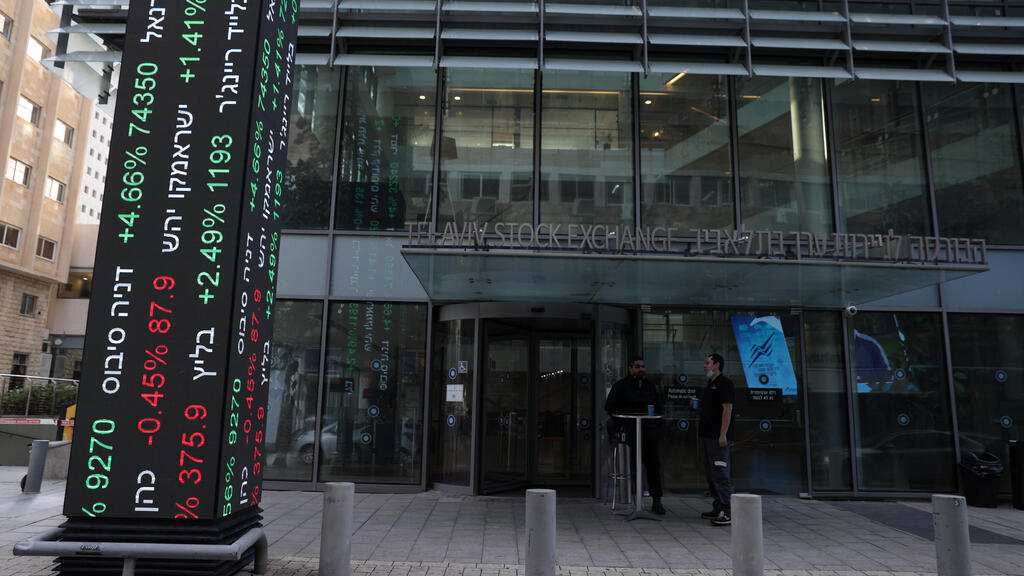
Trading on the Tel Aviv Stock Exchange was up by just over half a percent Thursday morning. The TA-35 index rose 0.93%, the TA-90 gained 0.9% and the TA-125 increased about 0.86%. Shares of the Tel Aviv Stock Exchange Ltd., which operates the bourse, were still benefiting from cybersecurity giant Palo Alto Networks’ announcement of its intention to list in Israel, rising 2.68%. On Wednesday, following the announcement, the exchange’s shares jumped about 11%.
As reported Wednesday, Palo Alto Networks also said it had completed its $25 billion acquisition of Israeli company CyberArk. In addition, the company, founded more than 20 years ago by Israeli entrepreneur Nir Zuk, surprised the market by announcing plans to list on the Tel Aviv Stock Exchange, effectively becoming a dual-listed company. It is currently traded on the Nasdaq.
Palo Alto Networks’ market capitalization now stands at $115 billion. If it proceeds with the Tel Aviv listing, it will become the largest company traded on the exchange by market value, by a wide margin.
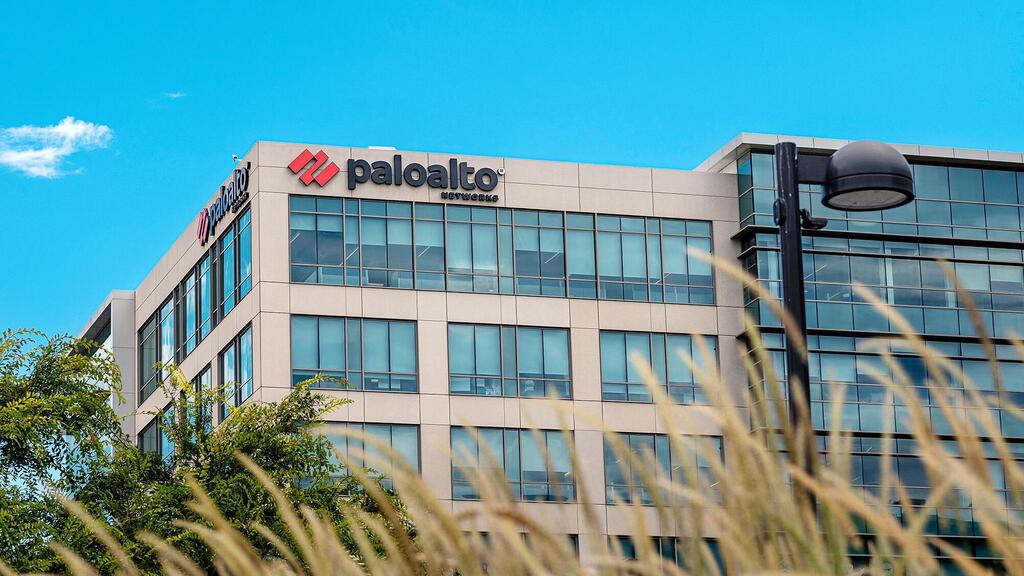
Palo Alto Networks building in Santa Clara, California
(Photo: David Paul Morris/Bloomberg)
“In continuation of CyberArk’s legacy and Israel’s position as a global cyber powerhouse, Palo Alto Networks announces its intention to list for trading on the Tel Aviv Stock Exchange,” the company said in a statement. “As part of this historic move, the company plans to adopt the ticker symbol ‘CYBR’ on the Tel Aviv Stock Exchange, as an international tribute to the brand built by CyberArk and as part of securing its place as a central component of the company’s global strategy. Palo Alto Networks will continue to trade on Nasdaq under the ticker symbol PANW.”
Nikesh Arora, chairman and CEO of Palo Alto Networks, said: “The emerging wave of AI agents requires us to secure every identity — employees, systems and agents. That is why we acted decisively when we announced last July our intention to acquire CyberArk, and I am pleased to see the beginning of the product integration process. For our customers, this means moving from fragmented identity management to unified management. They can now manage advanced access permissions across their hybrid cloud environments through the same company they trust in network security and security operations, ensuring comprehensive protection in the age of artificial intelligence.”
Matt Cohen, CEO of CyberArk, said: “Our combination with Palo Alto Networks creates a stronger cybersecurity company than ever for modern enterprises. This is a move that benefits everyone: our customers gain access to the most comprehensive security solutions portfolio, and our employees join a global technology company leading innovation. Together we are combining proven technologies to create a particularly powerful response to identity-based attacks.”