

Gasoline prices in Israel are expected to rise significantly at the beginning of August as escalating tensions between the United States and Iran drive up global oil prices and continue to restrict tanker traffic through the Strait of Hormuz.
Unless there is a dramatic change in the security situation, the strait fully reopens and the dollar falls below three shekels, the maximum price of a liter of self-service 95-octane gasoline is expected to increase by around 25 to 30 agorot.
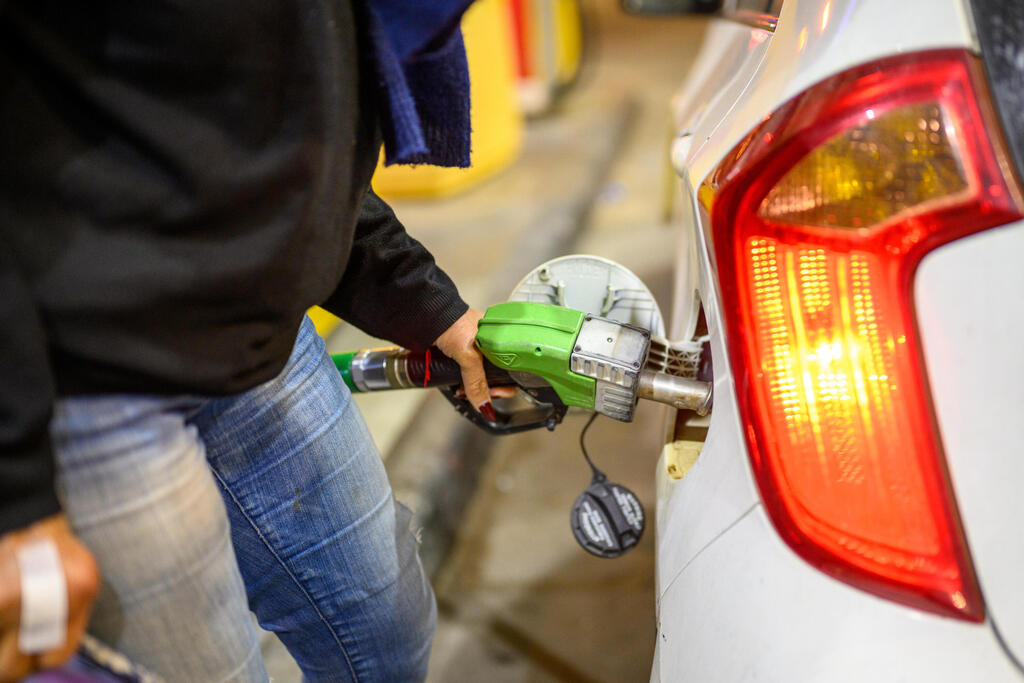
(Photo: Alexi J. Rosenfeld/Getty Images)
That would raise the price to approximately 7.75 shekels ($2.53) per liter. With the full-service surcharge, the price would again approach 8 shekels ($2.61) per liter.
The forecast is not yet the official August price. The final rate will be determined at the end of next week, following a five-day measurement of average fuel prices and according to the representative dollar exchange rate at the end of the measurement period.
The Energy Ministry is expected to publish the new price next Thursday, ahead of its entry into force on Saturday night, August 1.
The expected increase follows a sharp rise in global crude prices in recent days, driven by the escalating U.S. confrontation with Iran and restrictions on the passage of oil tankers through the Strait of Hormuz.
Brent crude was trading at around $77 a barrel at the end of June, compared with approximately $96 now, an increase of about 24%.
The dollar has also strengthened against the shekel, moving from around 2.98 shekels at the end of June to approximately 3.06 shekels, an increase of about 2.5%. Because Israel’s regulated gasoline price is influenced by both international fuel prices and the dollar exchange rate, the two developments are pushing the expected August price upward.
On July 1, the maximum price of self-service 95-octane gasoline fell by 32 agorot, from 7.80 shekels ($2.55) to 7.48 shekels ($2.44) per liter.
That reduction followed a period of relative calm in the conflict with Iran and the reopening of the Strait of Hormuz. The expected August increase would erase most of that decline.
A sharp rise in fuel prices could also add to inflationary pressure in Israel and delay the Bank of Israel’s next interest rate reduction.
Current forecasts project that the July consumer price index will rise by 0.3%, followed by a sharper 0.7% increase in August. Higher gasoline prices affect not only motorists directly but also transportation, delivery and production costs throughout the economy.
The final increase will depend on developments during the coming week. A decline in oil prices, a full reopening of the Strait of Hormuz or renewed strengthening of the shekel could moderate the increase.
If current conditions persist, however, Israeli drivers are likely to see gasoline prices return to nearly 8 shekels per liter at full-service stations at the beginning of August.