


Fears of an expanded Israeli operation in Lebanon appear to have spilled into other sectors of Lebanese public life, as a Lebanese television channel reported Sunday that authorities carried out raids and arrests over allegedly smuggled goods suspected of having Israeli ties.
Al Jadeed TV published a report titled “Israeli goods in the Lebanese market,” saying customs officers in Sidon seized a vehicle carrying a large quantity of foreign shoes that had been smuggled into the country. Five people were arrested in separate locations, including Sidon, Wadi al-Zina, al-Shehabiya, Nabatieh and Tyre.
The seized contraband
(Video: from Al Jadeed TV)


According to the channel, the seized items bore what it described as “dangerous markings” — a Star of David — prompting expanded inspections across several areas in southern Lebanon. The detainees are being questioned under the supervision of Lebanon’s military prosecution and its economic prosecution. The report said the Economy Ministry and the country’s office overseeing the boycott of Israel would review the case and consider further action.
Video released by Al Jadeed showed customs personnel opening boxes from a shoe manufacturer and focusing on the “suspicious” logo, which includes a Star of David. While the symbol triggered immediate speculation in Lebanon that the goods were linked to Israel, social media posts identified the brand as Globalwin, a shoe company that began operating in Europe before expanding to the United States. The company’s website says it has been active since 1999 and ships products worldwide.
Smuggled goods are common in Lebanese markets. Beyond the recent public debate over ongoing weapons smuggling from Syria, authorities also contend with the illicit movement of consumer products and food. Lebanese and Syrian enforcement bodies periodically announce seizures of such shipments, though far less is heard about items that make it through — unless they bear a Star of David.
Al Jadeed aired a report in November detailing vegetable and fruit smuggling from Syria. In that broadcast, a smuggler openly described deals to bring tomatoes, potatoes, carrots and olives into Lebanon, saying the lower cost of smuggled produce eased financial pressure on Lebanese consumers. When asked about smuggling in the opposite direction, from Lebanon to Syria, he said it was far more difficult. The channel noted it hoped security agencies were aware of the issue.
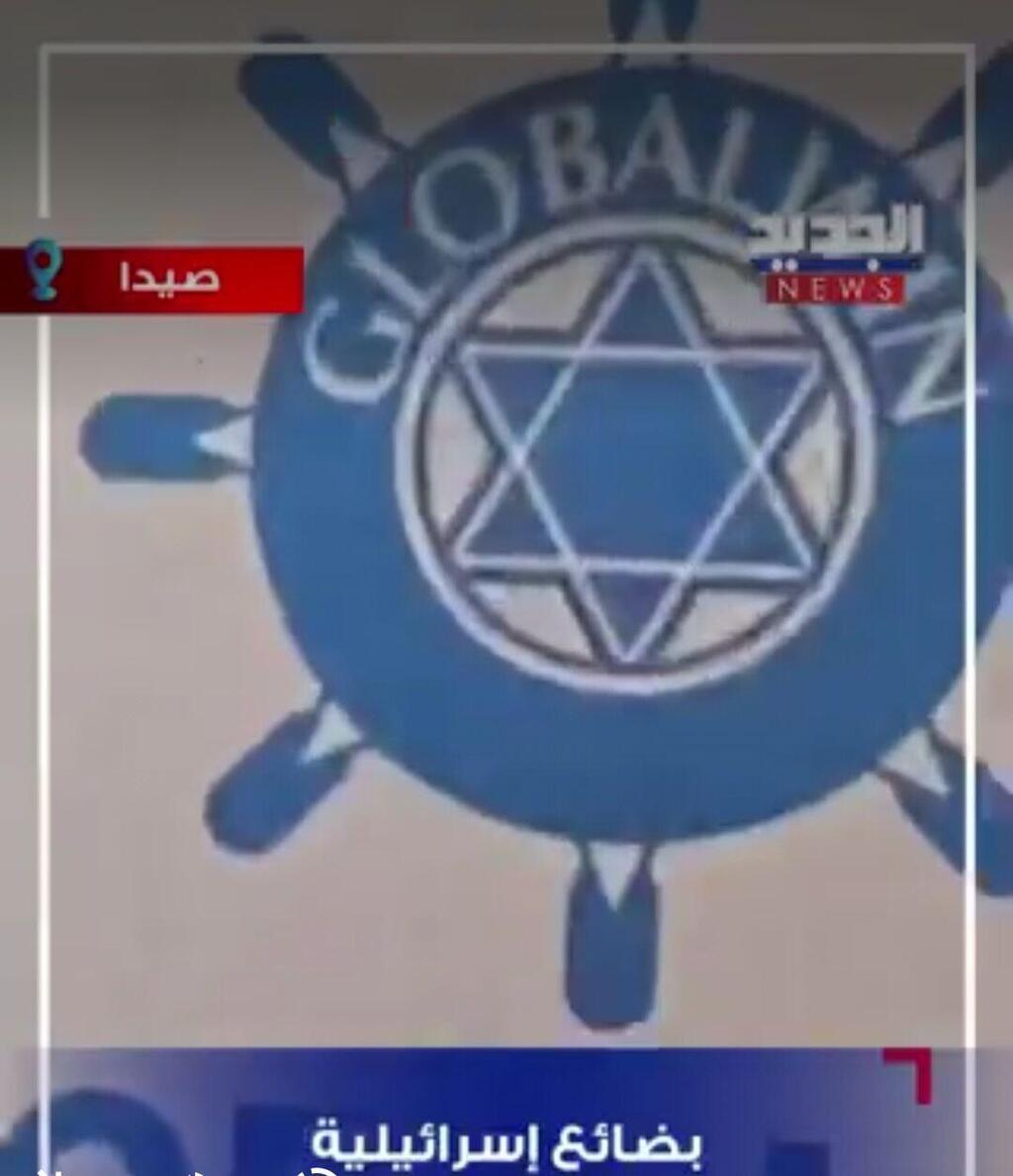
A Star of David emblazoned on the seized contraband
(Photo: from Al Jadeed TV)
Lebanon last saw a public uproar over alleged Israeli-made goods in July, when images circulated from Beirut’s Dahieh district during a Hezbollah event marking the eve of Ashura. Crowds were shown receiving toffee candies with Hebrew writing, sparking anger on Lebanese social media. One outlet reported the candies likely arrived from a third country, noting that Lebanese law prohibits the entry of goods bearing Israeli identifiers.
Lebanese public opinion remains highly sensitive to the Star of David, widely viewed as a direct association with Israel. In April, visiting U.S. envoy Morgan Ortagus drew criticism for wearing a Star of David necklace in Lebanon, after prompting similar reactions in February when she met President Joseph Aoun while wearing a ring with the same symbol.