

Shipping and air cargo costs to Israel are rising as the war with Iran disrupts transport and drives up insurance and operating expenses, raising concerns that the increases could eventually reach consumers.
Customers of major shipping companies, including Israel’s ZIM and Mediterranean Shipping Company (MSC), as well as air cargo carriers, have been notified of a “war surcharge” that is increasing transport prices by about 10% to 25%, depending on the route and country of origin.
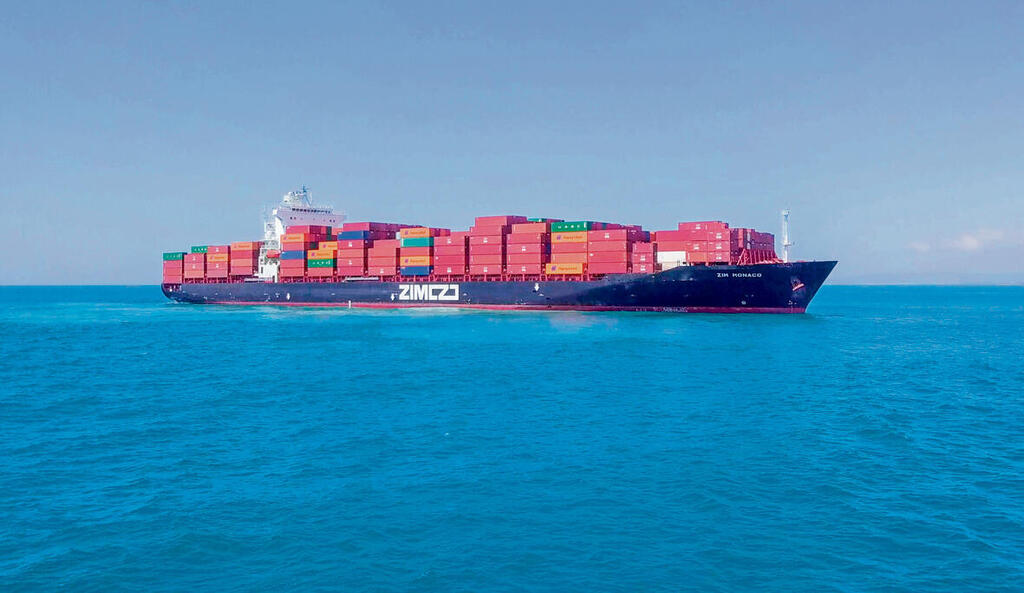
(Photo: Shutterstock)
More than 90% of Israel’s imports arrive by sea, making maritime transport critical for the country’s supply chains.
Air cargo prices are also rising. Challenge Airlines Israel, formerly known as CAL Cargo Airlines, has added about 60 cents per kilogram to an average price of roughly $2 per kilogram for shipments.
Despite the ongoing conflict and widespread disruptions to air travel, cargo flights to Israel have continued.
Challenge Airlines, which specializes in freight transport, has been operating daily cargo flights to Israel under special authorization, prioritizing shipments such as medical equipment and other essential components. El Al’s single cargo aircraft has also remained in operation.
On Tuesday, Challenge Airlines transported about 250 tons of fresh fish — mainly salmon from Oslo and fish from Cyprus — that had been delayed on ships.
Fresh fish shipments had not reached Israel since Saturday, meaning the new cargo delivery was expected to replenish supplies for restaurants and supermarkets.
“We’re working around the clock,” Challenge Airlines CEO Udi Sharoni told the Ynet news site. “On Saturday evening the first flight already departed, and since then we’ve been operating an air bridge.”
Sharoni said the company faces limits on how many landings it can carry out and is prioritizing shipments based on urgency.
“Foreign airlines have stopped flying, and El Al has only one cargo plane,” he said.
Sharoni added that the war surcharge reflects the sharp rise in operational and insurance costs during wartime.
“In a war, operating and insurance costs skyrocket,” he said. “The surcharge is minor compared with the complexity of operating a system at short notice under missile attacks.”
Iran’s threats to close the Strait of Hormuz — a key global shipping route — do not directly affect Israel’s imports, according to industry officials.
Most of the traffic through the strait involves oil and natural gas shipments, and Israel does not depend on it for natural gas supplies due to its domestic gas production. Oil shipments passing through the strait are generally not destined for Israel.
However, the conflict’s indirect impact on global energy markets could still affect the Israeli economy.
Amir Shani, chairman of the Israel Customs Brokers and Freight Forwarders Association, said the threat to shipping in the Strait of Hormuz has led to higher insurance costs for vessels, which in turn have pushed shipping companies to raise their rates.
“For example, Alaluf, which handles all vehicle imports to Israel, has raised its prices by up to 10%,” Shani told Ynet. “In aviation the increases have been even higher.”
Meanwhile, the credit rating agency S&P released a report on the Middle East economy amid the war with Iran, warning that geopolitical risks in the region have escalated from “high” to “severe,” the highest level in its risk scale.
The shift reflects the suspension of much maritime traffic through the Strait of Hormuz after Iran threatened to attack ships attempting to pass through the waterway.
The immediate result has been a surge in oil and liquefied natural gas prices.
S&P said Israel’s credit rating remains at A with a stable outlook, highlighting what it described as the “duality” of the country’s economic position.
On one hand, the agency cited Israel’s economic resilience, including a strong high-tech sector that accounts for about 20% of the country’s gross domestic product and foreign currency reserves totaling roughly $233 billion.
On the other hand, the report pointed to rising defense spending and Israel’s small geographic size, which increases the potential economic impact of damage to critical infrastructure during conflict.